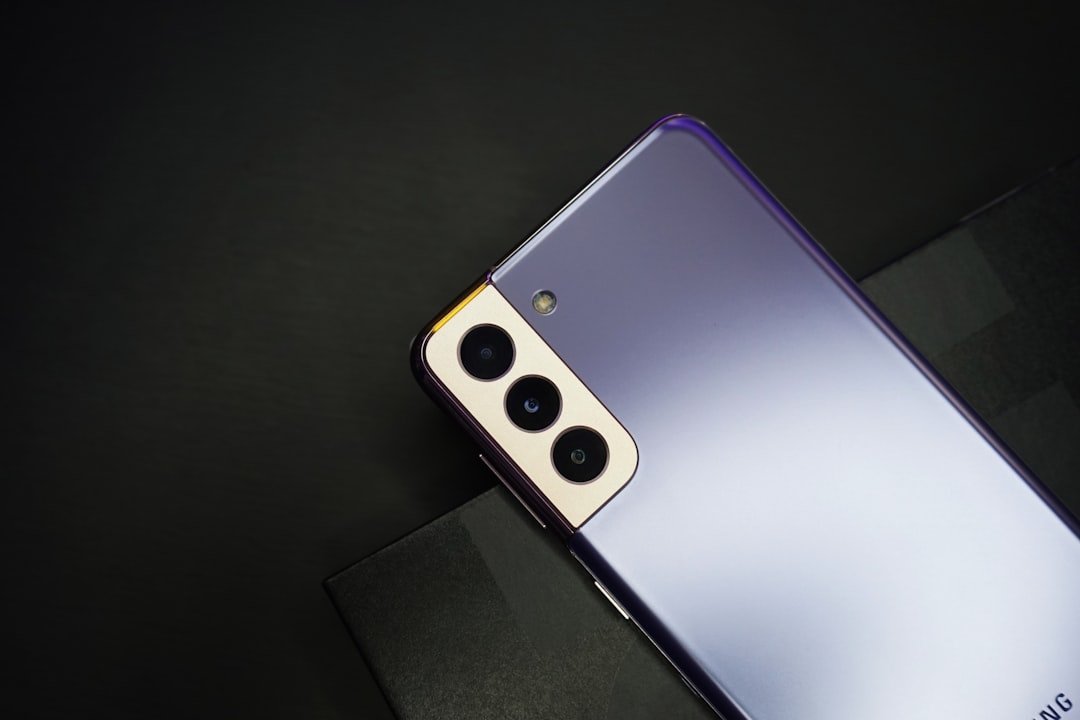

Samsung faces a pivotal moment where its aggressive pursuit of next-generation hardware and AI-driven features collides with entrenched questions of reliability and operational efficiency. Recent leaks and announcements around the Galaxy Z Fold 8 underscore persistent hinge and screen vulnerabilities that have plagued the foldable lineup, even as the company advances sophisticated memory architectures and health-monitoring platforms. These threads reveal a broader strategic tension: how Samsung scales premium innovations while addressing real-world failure modes that erode consumer trust.
The developments matter because they directly influence Samsung’s position against Apple, Google, and memory rivals like SK hynix. Foldable durability issues threaten to cap adoption of high-margin devices, while AI health updates and HBM5 cooling improvements position the company in fast-growing segments. Corporate decisions, such as the headquarters relocation, further signal efforts to optimize costs amid these technical bets.
Foldable Hardware Limits Test Samsung’s Premium Strategy
Consumer skepticism toward Samsung’s foldables remains rooted in repeated hardware failures rather than incremental design tweaks. A detailed personal account of the Galaxy Z Fold 5’s breakdown after roughly one year of use highlights how minor drops can compromise the hinge mechanism and display seals, leading to waterproofing degradation. Newer models have added IP48 dust resistance alongside IPX8 water protection, yet these ratings have not translated into measurable longevity gains for most users.
This gap carries direct implications for the upcoming Galaxy Z Fold 8 and its rumored wider variant. Leaks suggest thinner profiles and a 200-megapixel main camera matching the Galaxy S26 Ultra, but these enhancements address symptoms rather than the core mechanical stress points at the crease. Industry analysts note that foldables already command $1,800–$2,000 price points; without verifiable improvements in hinge robustness and panel resilience, Samsung risks ceding the category to competitors willing to prioritize structural engineering over thinness.
The stakes extend beyond individual devices. Sustained foldable shortcomings could slow the broader shift toward larger, more productive mobile form factors that Samsung has championed for years.
AI Health Features Reshape the Wearable Value Proposition
Samsung is embedding proactive intelligence across its health ecosystem ahead of the Galaxy Watch 9 launch. The Samsung Health app’s June 8 update introduces Vitals as a consolidated dashboard for heart rate variability, respiratory rate, skin temperature, and blood oxygen, alongside a Heart Health Score derived from sleep, stress, activity, and body composition data. Additional metrics such as Daily Cardio Load and a multi-category Fitness Index allow users to benchmark performance against peers.
These capabilities leverage on-device AI to interpret longitudinal patterns rather than isolated readings, turning the watch into a continuous health advisor. The rollout begins with the Galaxy Watch 9 and will extend to prior models, including the Galaxy Watch 8 Classic. By aligning software intelligence with hardware sensors, Samsung aims to differentiate its wearables in a market where raw biometric tracking has become commoditized.
The timing is strategic. As GLP-1 medications raise concerns about muscle loss, Samsung is also testing watch-based interventions to monitor and mitigate such effects, illustrating how AI health tools can expand into therapeutic-adjacent use cases.
HBM5 Cooling Innovations Target AI Infrastructure Bottlenecks
At Computex 2026, Samsung unveiled its first physical HBM5 mockup featuring Heat Path Block (HPB) cooling, a structure that extracts heat directly from the die-to-die PHY layer connecting memory stacks to GPUs. This approach builds on verified HPB implementation in HBM4E samples shipping at 14–16 Gbps with 3.6 TB/s bandwidth per stack. The company will fabricate HBM5’s base die on its 2nm process, down from the 4nm node used previously.
The thermal challenge grows acute as stack heights and data rates increase; projections indicate per-stack power approaching 100 watts. Samsung’s in-house foundry advantage allows tight integration between memory and logic dies, potentially accelerating qualification with partners such as Nvidia. SK hynix’s competing iHBM design, which embeds non-conductive silicon cooling elements, shows the same industry focus on interface-level heat management.
Success here would strengthen Samsung’s standing in the high-bandwidth memory market that underpins generative AI training clusters, where even modest thermal resistance reductions translate into higher sustained performance and rack density.
Corporate Footprint Adjustments Reflect Cost and Growth Priorities
Samsung’s decision to relocate its U.S. headquarters from Englewood Cliffs, New Jersey, to Plano, Texas, by year-end marks a significant operational pivot less than a year after opening the New Jersey facility. The move affects roughly 1,000 employees and ends a three-decade presence in Bergen County. Company statements frame the change as part of a broader business transformation aimed at long-term positioning.
Texas has emerged as a corporate hub attracting major employers, offering different tax and regulatory environments than New Jersey. The relocation coincides with Samsung’s continued investment in advanced semiconductor capacity, suggesting an alignment of headquarters functions with manufacturing and R&D footprints. Critics in New Jersey point to recurring challenges in retaining large employers, highlighting how state-level competitiveness influences tech giants’ location calculus.
This shift occurs alongside Samsung’s efforts to clarify product segmentation, where A-series devices emphasize value through efficient processors and durable screens while S- and Z-series models deliver flagship performance and materials. The strategy helps protect margins across price tiers even as premium innovations carry higher risk.
Design Refinements Signal Iterative Rather Than Revolutionary Progress
Leaked images of the Galaxy S26 FE reveal an updated camera bump placement that sits closer to the edges than prior generations, producing a slightly awkward visual balance. The device is expected to ship with an Exynos 2500 chipset, 8 GB RAM, and Android 17, maintaining the Fan Edition’s role as a more accessible flagship alternative. Meanwhile, everyday users of recent Galaxy models continue to notice a tiny flashing dot near the top of the display—the visible activation of the proximity sensor now positioned behind Infinity displays rather than hidden in larger bezels.
These details illustrate Samsung’s incremental approach: functional improvements in sensor integration and mid-tier camera hardware occur alongside persistent questions about whether flagship-level refinements justify premium pricing for the average consumer. The FE’s Qi 2.2.1 support without magnetic alignment magnets further underscores a cautious rollout of new wireless charging standards.
Taken together, these threads show Samsung simultaneously advancing memory architectures critical to AI infrastructure, deepening AI health intelligence in wearables, and confronting hardware reliability ceilings in foldables. The company’s ability to convert technical progress into durable market leadership will hinge on whether durability gains and operational efficiencies keep pace with its innovation cadence.