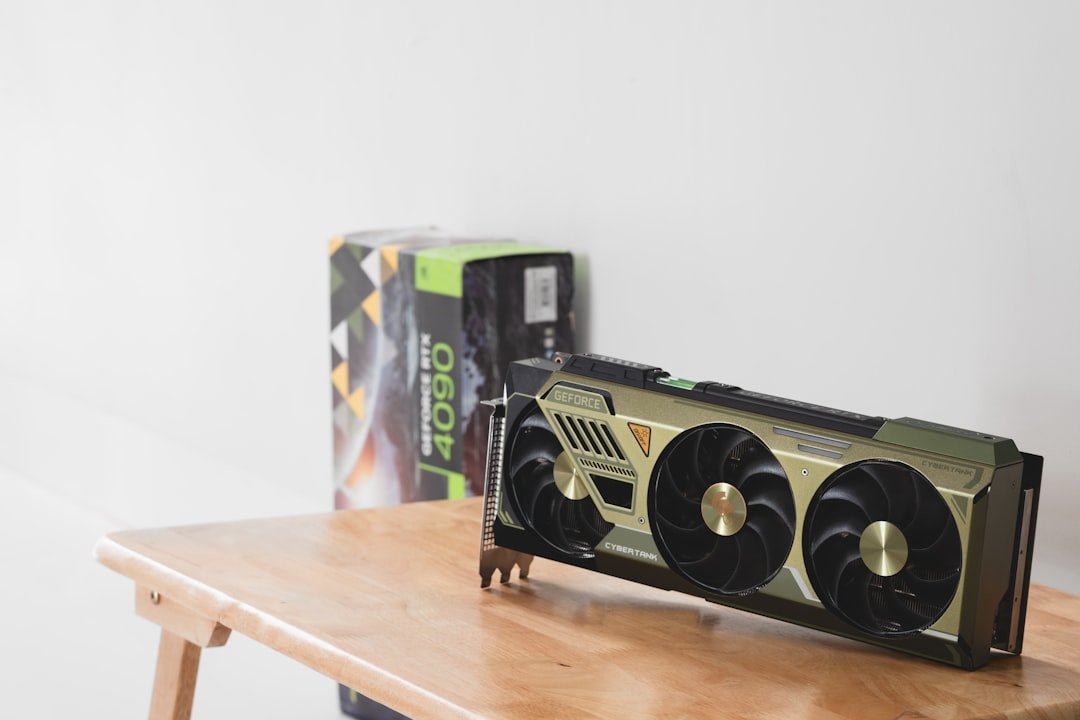

Introduction to the AI Revolution
The recent partnership between NVIDIA and SK hynix marks a significant milestone in the development of next-generation memory for AI factories. This collaboration is poised to accelerate the global buildout of AI infrastructure, with a focus on advancing memory technologies that will power the next wave of AI innovation. As Jensen Huang, founder and CEO of NVIDIA, notes, “AI factories are the engines of the next industrial revolution, and advanced memory is essential to their performance.” This partnership is a testament to the growing importance of AI in various industries and the need for specialized infrastructure to support its development.
The implications of this partnership are far-reaching, with potential applications in fields such as robotics, autonomous vehicles, and healthcare. The development of advanced memory technologies will enable the creation of more sophisticated AI models, which in turn will drive innovation in these industries. As Chey Tae-won, Chairman of SK Group, remarks, “SK hynix and NVIDIA have been building toward this for years, and this partnership reflects the depth of that collaboration.” This collaboration is a prime example of how industry leaders are working together to advance the field of AI and drive technological progress.
The AI revolution is gaining momentum, with companies like NVIDIA, SK hynix, and LG Group at the forefront of innovation. These companies are investing heavily in the development of AI infrastructure, including data centers, cloud services, and specialized hardware. The recent announcement of NVIDIA’s RTX Spark chip, a joint effort with Microsoft, is a significant development in this space. This chip is designed to power the next generation of AI-enabled laptops, which will enable users to run complex AI models on their devices without relying on cloud services.
Advancing AI Infrastructure
The partnership between NVIDIA and SK hynix is not an isolated incident; rather, it is part of a broader trend of collaboration and innovation in the AI industry. Companies are recognizing the importance of working together to advance the field of AI and drive technological progress. The development of AI infrastructure is a critical component of this effort, as it will enable the creation of more sophisticated AI models and drive innovation in various industries. As Jensen Huang notes, “NVIDIA designed, built, and delivered the first AI supercomputer to American researchers over a decade ago.” This early investment in AI infrastructure has paid off, with NVIDIA now at the forefront of the AI revolution.
The development of AI infrastructure is not limited to NVIDIA and SK hynix; other companies are also investing heavily in this space. LG Group, for example, is working with NVIDIA to build an AI factory that will accelerate the development of AI-enabled robots and other devices. This factory will provide LG Group with the infrastructure needed to develop and deploy AI models, which will drive innovation in various industries. As the demand for AI-enabled devices continues to grow, the importance of AI infrastructure will only increase.
The collaboration between NVIDIA and SK Group is another example of the growing importance of AI infrastructure. The two companies are working together to build an AI cloud that will provide Korean companies with the infrastructure needed to develop and deploy AI models. This cloud will be built using NVIDIA’s DSX platform, which is designed to provide a scalable and secure infrastructure for AI development. As Jensen Huang remarks, “Telecom networks are becoming national AI infrastructure.” This statement highlights the growing importance of AI infrastructure and the need for companies to invest in this area.
The Future of AI
The recent developments in the AI industry are significant, but they are only the beginning. As companies continue to invest in AI infrastructure and develop new technologies, we can expect to see even more innovative applications of AI in the future. The development of advanced memory technologies, such as those being developed by NVIDIA and SK hynix, will enable the creation of more sophisticated AI models, which will drive innovation in various industries. As Jensen Huang notes, “American leadership in AI technologies cannot be taken for granted, but we are confident in the future and believe in the American dream.”
The future of AI is exciting, but it also presents challenges. As AI becomes more pervasive, there will be a growing need for skilled workers who can develop and deploy AI models. There will also be a need for companies to invest in AI infrastructure, including data centers, cloud services, and specialized hardware. As the demand for AI-enabled devices continues to grow, the importance of AI infrastructure will only increase. Companies that invest in AI infrastructure now will be well-positioned to take advantage of the opportunities presented by the AI revolution.
The partnership between NVIDIA and SK hynix is a significant development in the AI industry, and it highlights the growing importance of collaboration and innovation in this space. As companies continue to work together to advance the field of AI, we can expect to see even more innovative applications of AI in the future. The development of advanced memory technologies, such as those being developed by NVIDIA and SK hynix, will enable the creation of more sophisticated AI models, which will drive innovation in various industries. As Jensen Huang remarks, “The PC is being reinvented, and this is a big deal.” This statement highlights the significance of the recent developments in the AI industry and the potential for future innovation.
Competitive Landscape
The AI industry is highly competitive, with several companies vying for market share. NVIDIA, SK hynix, and LG Group are among the leaders in this space, but other companies, such as Intel and Qualcomm, are also investing heavily in AI infrastructure. The recent announcement of NVIDIA’s RTX Spark chip, a joint effort with Microsoft, is a significant development in this space. This chip is designed to power the next generation of AI-enabled laptops, which will enable users to run complex AI models on their devices without relying on cloud services.
The competitive landscape of the AI industry is complex, with several companies working together to advance the field of AI. The partnership between NVIDIA and SK hynix is a prime example of this collaboration, and it highlights the growing importance of working together to drive technological progress. As Jensen Huang notes, “NVIDIA getting into the space is Jensen recognizing that he wants to own every bit of the AI stack in some shape.” This statement highlights the significance of the recent developments in the AI industry and the potential for future innovation.
The development of AI infrastructure is a critical component of the AI industry, and companies are investing heavily in this space. The partnership between NVIDIA and SK hynix is a significant development in this space, and it highlights the growing importance of collaboration and innovation in the AI industry. As the demand for AI-enabled devices continues to grow, the importance of AI infrastructure will only increase. Companies that invest in AI infrastructure now will be well-positioned to take advantage of the opportunities presented by the AI revolution.
Conclusion and Future Outlook
The recent developments in the AI industry are significant, and they highlight the growing importance of collaboration and innovation in this space. The partnership between NVIDIA and SK hynix is a prime example of this collaboration, and it highlights the potential for future innovation in the AI industry. As Jensen Huang remarks, “The AI factory is the future of computing.” This statement highlights the significance of the recent developments in the AI industry and the potential for future innovation.
The future of AI is exciting, and it presents several opportunities for companies to invest in AI infrastructure and develop new technologies. The development of advanced memory technologies, such as those being developed by NVIDIA and SK hynix, will enable the creation of more sophisticated AI models, which will drive innovation in various industries. As the demand for AI-enabled devices continues to grow, the importance of AI infrastructure will only increase. Companies that invest in AI infrastructure now will be well-positioned to take advantage of the opportunities presented by the AI revolution.
The AI industry is rapidly evolving, and it will be interesting to see how companies like NVIDIA, SK hynix, and LG Group continue to innovate and drive technological progress. The recent developments in the AI industry are significant, and they highlight the growing importance of collaboration and innovation in this space. As the AI industry continues to grow and evolve, we can expect to see even more innovative applications of AI in the future. The question is, what will be the next major development in the AI industry, and how will it shape the future of computing?