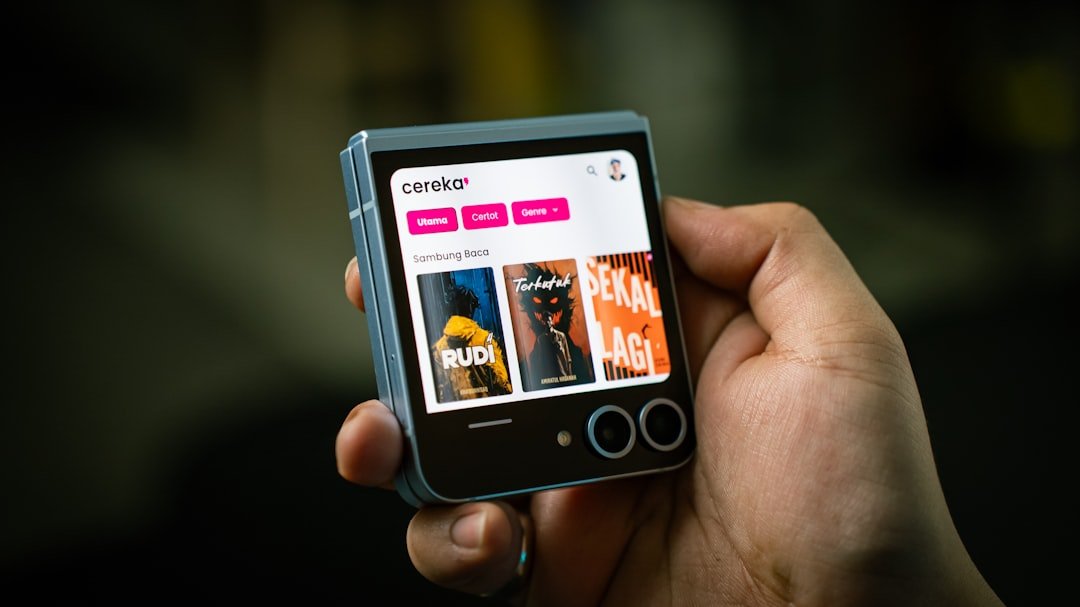

Samsung’s foldable smartphone strategy is sharpening into focus through a wave of regulatory filings and design leaks that point to a bifurcated Galaxy Z Fold 8 lineup arriving this summer. Rather than a single successor to the Z Fold 7, Samsung appears to be splitting its flagship into a conventional book-style Ultra model and a shorter, wider variant positioned to compete directly with anticipated foldable devices from other manufacturers. These moves coincide with meaningful refinements to One UI and the quiet wind-down of legacy services, revealing a company simultaneously iterating on hardware form factors, deepening software customization, and pruning underused offerings.
Foldable Lineup Splits Into Distinct Form Factors
Recent FCC certifications have confirmed model numbers for the Galaxy Z Fold 8 Ultra (SM-F976U) alongside the Z Flip 8, establishing that the Ultra retains the classic tall, narrow silhouette users associate with Samsung’s book-style devices. Internal documentation and supply-chain images suggest incremental upgrades including a larger battery cell and refreshed chipset, with some reports indicating the return of full S Pen support. The filings place these devices on a clear path to a July 22 Unpacked event, consistent with Samsung’s historical cadence.
Parallel leaks describe a separate Galaxy Z Fold 8 Wide variant that adopts a squarer aspect ratio when opened. This model is expected to carry more mainstream specifications while delivering a larger usable screen area in a more compact folded state. The naming decision to keep the device within the standard Z Fold 8 family rather than granting it distinct “Ultra” branding underscores Samsung’s intent to simplify its portfolio messaging even as the hardware diverges. Early Amazon case listings and blurred images further hint at camera module adjustments that could improve multi-lens alignment when the device is partially folded.
The dual-approach strategy carries clear competitive implications. By offering both a premium tall foldable and a wider, potentially more pocketable alternative, Samsung can address different user segments while gathering data on which form factor resonates most strongly ahead of rumored foldable iPhone competition later this year.
One UI 8.5 Customization Meets One UI 9 Testing
Alongside hardware developments, Samsung has rolled out targeted quality-of-life improvements in One UI 8.5 that directly address long-standing complaints about Quick Panel rigidity. Users can now resize and reorient individual sliders, create separate layouts for portrait and landscape orientations, and leverage Good Lock modules such as QuickStar for deeper visual customization. These changes transform the notification shade from a fixed grid into a genuinely personal control surface, particularly valuable on larger foldable displays where thumb reach varies significantly depending on grip.
At the same time, internal testing of Android 17-based One UI 9 has expanded to additional mid-range devices including the Galaxy A17 5G, A34, and A57. Firmware strings indicate Samsung is validating the update across a broader hardware base earlier than in previous cycles. The foldables are still expected to receive One UI 9 out of the box, positioning them as the primary showcase for whatever AI and multitasking enhancements arrive with the new major version.
The timing suggests Samsung is deliberately decoupling incremental interface polish (delivered via 8.5) from larger foundational changes (reserved for 9), allowing flagship foldables to launch with maximum software differentiation while older devices continue receiving meaningful updates.
Hardware Ecosystem Shows Selective Discounts and Trade-offs
Beyond phones, Samsung’s accessory and television lines reveal pragmatic commercial decisions. The Galaxy Watch 8 (44 mm LTE) has seen meaningful price reductions ahead of the Watch 9 launch, dropping to approximately $370 at major retailers. Reviewers continue to praise its refined slim profile and Gemini integration, though battery endurance remains the primary constraint at roughly 33–35 hours under mixed use.
On the television side, the S95H OLED demonstrates strong gaming performance and one of the most effective antireflective coatings yet deployed, yet falls short of fully realizing an “art mode” experience comparable to Samsung’s own Frame lineup. The absence of a true Ambient Mode on an OLED panel highlights the technical trade-offs still present when attempting to merge high-performance display technologies with lifestyle-oriented features. Buyers seeking gallery-style presentation are steered toward last-generation models or competing Frame Pro units that are priced more aggressively.
These patterns illustrate Samsung’s willingness to optimize pricing on mature products while using new flagships primarily to showcase incremental panel and processor advances rather than entirely new usage paradigms.
Service Retirements Force Ecosystem Adjustments
The shutdown of Samsung MAX VPN on June 15, 2026, removes a once-convenient data-compression and privacy utility that had accumulated more than 50 million downloads. The app will remain installed as non-functional software unless manually removed, prompting users to evaluate third-party alternatives for encryption and compression needs. While the service never achieved mainstream prominence, its retirement underscores Samsung’s ongoing portfolio rationalization—sunsetting features that overlap with Google or carrier offerings in order to reduce maintenance overhead.
This transition arrives as Samsung simultaneously invests in higher-visibility initiatives outside traditional device sales. Partnerships leveraging Galaxy XR headsets to create meditative environments during blood donations, conducted in collaboration with Abbott and the Korean Red Cross, demonstrate an attempt to extend hardware relevance into healthcare-adjacent experiences. Similar programs are slated for expansion in the United States and Malaysia, suggesting Samsung views extended reality not merely as an entertainment platform but as a tool for sustained user engagement in non-consumer contexts.
Workforce Development Complements Product Strategy
Parallel efforts through Samsung Care emphasize long-term ecosystem health by expanding technician pipelines. Recent bootcamps in Texas school districts and upcoming career fairs tied to CTIA’s WISE certification program aim to credential entry-level repair talent at a moment when skilled-trade demand is growing rapidly. These programs directly support Samsung’s ability to deliver timely warranty service as device complexity—and repair intricacy—increases with foldables and AI-enabled hardware.
Collectively, these threads show Samsung executing a coordinated strategy: refining foldable differentiation, accelerating software cadence, pruning low-engagement services, and investing in both experiential marketing and human-capital development. The July Unpacked event will likely crystallize whether the dual-foldable approach resonates with consumers and whether One UI 9 can deliver the AI and multitasking leaps needed to justify the hardware refresh cycle. How competitors respond to this expanded form-factor menu, and whether Samsung’s broader service and workforce initiatives translate into measurable loyalty gains, will shape the next phase of its mobile dominance.