
Samsung’s mid-2026 smartphone strategy is taking shape through a combination of hardware refinements, software differentiation, and pricing pressure that together reveal how the company intends to defend its Android leadership position. A leaked image of the Galaxy S26 FE shows a repositioned camera bump that hints at internal layout changes, while four months of real-world testing has left reviewers reluctant to part with the flagship S26 Ultra. At the same time, memory-chip stocks tied to Samsung’s semiconductor business have fallen sharply on softer AI forecasts from Broadcom, illustrating how quickly sentiment in the high-bandwidth-memory segment can shift.
These developments matter because Samsung no longer competes solely on individual device specs. It must balance flagship performance, accessible variants, software depth, and supply-chain exposure to AI demand. The coming months will test whether the company can maintain premium pricing for the Ultra while using the Fan Edition to capture volume, all while its memory division absorbs volatility that originates far outside its own product roadmap.
S26 Ultra Review Underscores Sustained Flagship Strength
Digital Trends’ four-month evaluation positions the S26 Ultra as the most complete Android device tested in 2026, not through any single breakthrough feature but through consistent excellence across performance, display privacy, and S Pen integration. The switch from titanium to lighter Armor Aluminum, combined with rounded corners, addressed long-standing ergonomics complaints without sacrificing structural rigidity. On-device AI workloads powered by the customized Snapdragon 8 Elite Gen 5 ran without throttling in daily use, and the new hardware-based Privacy Display delivered measurable sidelobe reduction that surprised observers in shared environments.
Battery capacity remains unchanged at 5,000 mAh, producing respectable but unremarkable screen-on time; the compensating 60 W wired charging speed mitigates the limitation for many users. Camera improvements center on wider apertures that deliver clearer low-light results, though the reviewer still noted occasional exposure wobbles and shutter lag. At $1,299, the device’s breadth of capability makes it difficult for other Android vendors to match without matching its price, effectively widening the gap between Samsung’s top tier and mid-range competitors.
S26 FE Leak Signals Strategic Component Choices
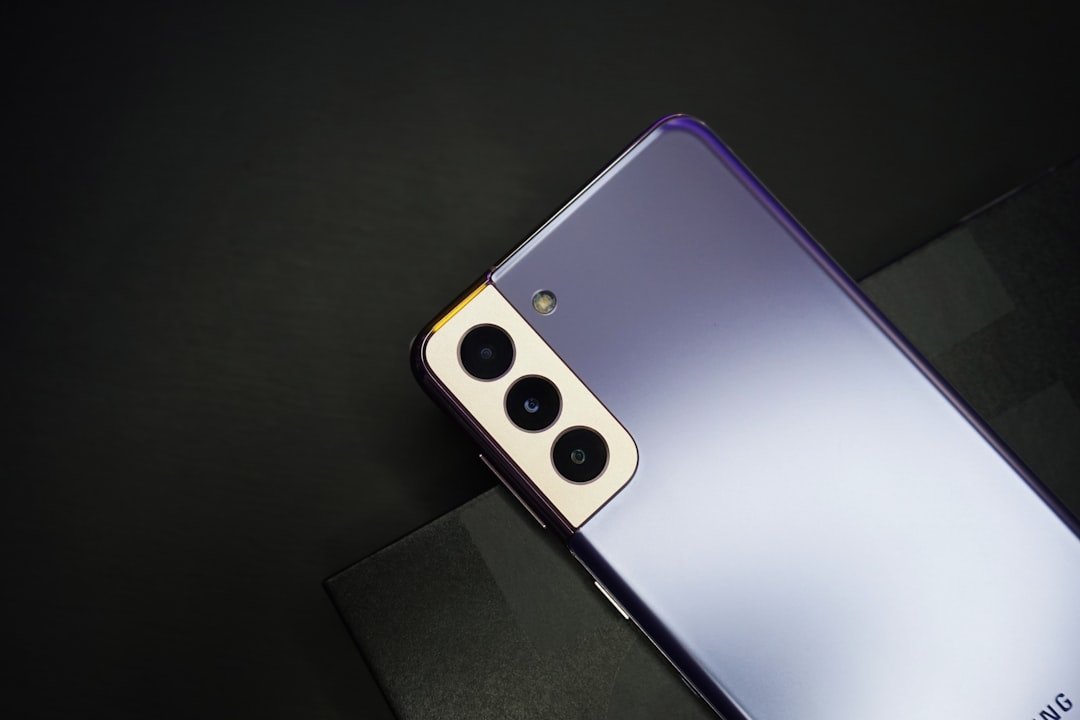
A Wireless Power Consortium filing captured by 9to5Google and reported by Mashable reveals that the S26 FE will adopt the Exynos 2500 rather than the Snapdragon 8 Elite Gen 5 used in the standard S26. The listing also shows the camera module shifted closer to the top-left corner, a minor industrial-design adjustment that likely accommodates internal thermal or antenna routing changes. RAM is listed at 8 GB versus 12 GB on the flagship, confirming the expected spec trade-offs.
These choices align with Samsung’s historical approach to the Fan Edition line: deliver flagship-adjacent cameras and displays at a lower price point by accepting modest silicon and memory compromises. The July announcement window suggests Samsung aims to refresh the mid-premium segment before competitors can respond with their own refreshed “FE-style” offerings, preserving share in a price-sensitive portion of the market that still values recent software support and premium build materials.
Software Customization Creates Durable Ecosystem Lock-In
While Pixel devices receive Android updates first and deliver strong computational photography, many long-term users continue to favor Galaxy phones for the depth of first-party customization and integration tools that Google has not replicated. Good Lock’s modular extensions allow granular control over keyboard layouts, lock-screen widgets, notification history, and always-on display elements that go well beyond stock Android’s options. Samsung’s first-party applications, particularly those handling continuity with Windows PCs, further reduce friction for users who move between devices throughout the workday.
These capabilities matter because they convert one-time hardware purchases into ongoing platform relationships. Once users invest time configuring Good Lock modules or establishing cross-device workflows, the switching cost rises even if a competing handset offers marginally better cameras or raw performance. Samsung’s willingness to maintain and expand these tools gives it a structural advantage that pure-AOSP implementations struggle to match.
Memory-Market Volatility Exposes Supply-Chain Exposure
Broadcom’s softer-than-expected AI revenue guidance triggered an immediate sell-off that hit SK Hynix and Samsung shares by more than 5 % and 8 % respectively in Seoul trading. The Roundhill Memory ETF (DRAM) extended losses into a second consecutive session, underscoring how concentrated demand for high-bandwidth memory has become. Samsung remains one of the three dominant DRAM suppliers, so any recalibration of AI infrastructure spending directly affects both its semiconductor margins and overall corporate valuation.
The episode highlights the dual nature of Samsung’s business model: consumer electronics provide relatively stable demand, yet the memory division’s exposure to hyperscale AI buildouts introduces earnings volatility that can overshadow device-level product news. Investors and supply-chain partners will watch upcoming contract negotiations closely to gauge whether the recent pullback represents a temporary sentiment reset or a more durable shift in AI capital expenditure.
Deal Momentum Creates Near-Term Upgrade Pathways
Early Prime Day promotions and targeted June offers have placed several Samsung handsets and accessories at discounts exceeding 20 %, lowering the effective price of stepping into recent Galaxy models. The 27-inch Odyssey G51F gaming monitor, now available for $159.99, delivers 1440p resolution at 180 Hz with AMD FreeSync support, giving budget gamers a credible upgrade path from 1080p panels without requiring flagship-level investment. These promotions coincide with trade-in incentives that further compress the net cost of moving from older devices.
Such pricing activity serves multiple strategic purposes: it clears inventory ahead of the S26 FE launch, introduces new users to Samsung’s software ecosystem, and generates data on which price points convert most effectively. The breadth of participating retailers, from Amazon to carrier channels, also ensures that promotional reach extends beyond typical early-adopter segments.
Competitive Context and Forward Pressure
The combination of a refined Ultra, an imminent Fan Edition refresh, deeper software differentiation, and opportunistic pricing leaves Samsung well positioned against both premium Android rivals and value-oriented alternatives. Yet the memory-market reaction serves as a reminder that external demand cycles can rapidly alter financial flexibility. Observers will therefore track whether Samsung uses any margin pressure from the semiconductor side to accelerate software features or whether it maintains pricing discipline to protect brand positioning. The answer will shape competitive dynamics through the second half of 2026 and beyond.