
Samsung Biologics has launched an all-cash public tender offer to acquire PolyPeptide Group AG for approximately CHF 1.46 billion ($1.8 billion), marking the largest biopharmaceutical M&A transaction in Swiss history and signaling a decisive push into peptide-based therapeutics.
The deal, announced on July 19, 2026, positions the South Korean CDMO to capitalize on surging demand for GLP-1 receptor agonists used in obesity and diabetes treatments. PolyPeptide shareholders will receive CHF 44.31 per share, with the transaction expected to close by the end of 2026 pending regulatory approvals and a minimum 66⅔% acceptance threshold.
This move arrives as Samsung Biologics seeks to diversify beyond its core antibody and antibody-drug conjugate portfolio at a time when peptide therapeutics represent one of the fastest-growing segments in the biopharmaceutical industry.
A Premium Price for Specialized Peptide Expertise
The tender offer values PolyPeptide at a substantial premium, reflecting both the target’s technical capabilities and the strategic urgency behind Samsung Biologics’ multi-modality ambitions. PolyPeptide brings a proven track record of developing and manufacturing more than 1,000 therapeutic peptides across facilities in Sweden, Belgium, France, the United States, and India. Its headquarters in Baar, Switzerland, adds European regulatory and operational depth.
PolyPeptide’s Board, acting through independent and non-conflicted members, unanimously recommended acceptance after reviewing strategic options. The company’s largest shareholder has already committed to tendering shares representing roughly 55.65% of the outstanding capital. These commitments provide Samsung Biologics with a strong foundation for completing the deal.
The acquisition extends Samsung Biologics’ manufacturing platform into a modality that complements existing antibody capabilities while addressing client demand for integrated peptide and biologic services.
Global Footprint and Capacity Implications
PolyPeptide’s multi-site network delivers immediate geographic diversification that Samsung Biologics has pursued through organic expansion in recent years. The combined entity will operate development and commercial manufacturing sites spanning the U.S., Europe, and India, enabling localized supply chains for peptide APIs that require specialized synthesis and purification processes.
This geographic spread matters because peptide manufacturing often involves complex solid-phase synthesis routes and stringent impurity control requirements that differ from monoclonal antibody production. Integrating these capabilities allows Samsung Biologics to offer clients a broader range of modalities from a single CDMO partner, potentially shortening development timelines and reducing technology transfer risks.
The transaction is expected to accelerate Samsung Biologics’ long-term strategy across portfolio breadth, geographic reach, and overall capacity utilization.
Consumer Electronics Momentum Continues Alongside Pharma Push
While Samsung Biologics executes its largest acquisition to date, the parent company’s consumer electronics division is preparing parallel technology launches. On July 17, Samsung introduced The Freestyle+ AI-powered projector, which uses advanced sensors and algorithms to deliver up to 100-inch full HD images on any surface. Features such as 3D Auto Keystone correction, wall calibration, and obstacle avoidance enable projection in non-traditional environments without manual setup.
These capabilities reflect Samsung’s broader emphasis on AI-driven adaptability across hardware categories. The same week, the company confirmed that its next-generation Galaxy foldable devices will incorporate Flex Titanium display technology, employing a titanium-alloy film beneath the OLED panel and a supporting titanium plate to improve durability and reduce crease visibility. The new structure is thinner than a human hair yet provides 20 times greater mechanical stiffness than previous plastic films.
Both announcements precede the July 22 Galaxy Unpacked event in London, where Samsung is expected to unveil the Galaxy Z Fold 8 series, including a wider “passport-style” model, alongside the Galaxy Watch 9 and Galaxy Watch Ultra 2.
Market Context and Competitive Pressures
Samsung’s simultaneous moves in biologics and consumer hardware occur against a volatile backdrop for its semiconductor interests. Retail investors in South Korea have suffered steep losses on leveraged exchange-traded funds tied to Samsung Electronics and SK Hynix following a sharp reversal in chip stocks. Products designed to deliver twice the daily performance of the underlying shares have declined as much as 70% from recent peaks, highlighting the risks of concentrated speculative positioning even as long-term AI-driven demand for memory chips remains intact.
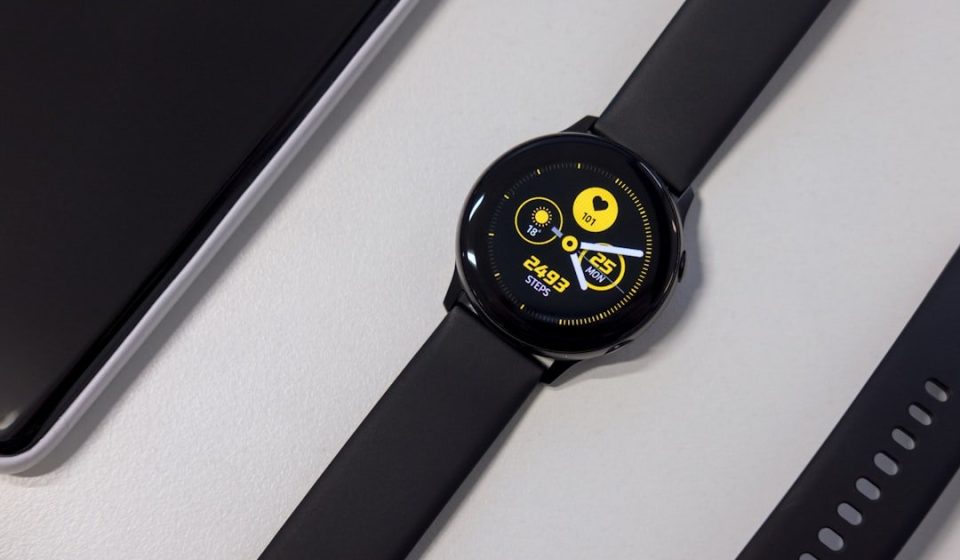
In the smartwatch segment, Samsung faces intensifying competition. Sales of its wearable devices fell 28% year over year in the first quarter of 2026, while rivals such as Google’s Pixel Watch 4 and OnePlus Watch 3 have gained ground with improved battery life and design differentiation. The upcoming Galaxy Watch 9 and Ultra 2 models will need to demonstrate meaningful advances in endurance and durability to restore momentum.
Strategic Coherence Across Modalities
The PolyPeptide acquisition and the consumer electronics roadmap share a common thread: both seek to expand addressable markets through technological breadth rather than incremental improvements within existing categories. Peptide therapeutics and foldable displays represent high-growth niches where specialized manufacturing or materials expertise can create durable competitive advantages.
For Samsung Biologics, the addition of PolyPeptide’s peptide platform creates a more resilient revenue base less dependent on antibody market cycles. For the wider Samsung ecosystem, continued innovation in portable displays and projection systems helps maintain relevance in a maturing smartphone market.
The coming months will reveal whether these parallel strategies deliver measurable commercial returns. Regulatory clearance for the Swiss acquisition and market reception of the new foldables and wearables will provide early indicators of execution success.