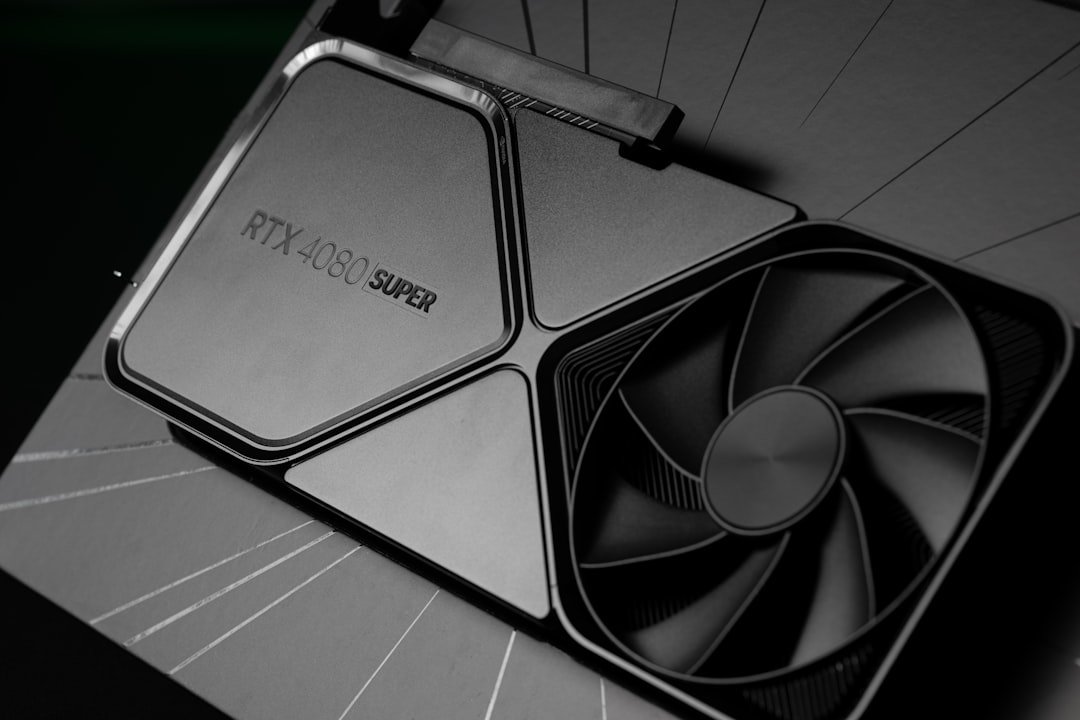

The world of PC gaming has undergone a significant transformation with the introduction of Nvidia’s RTX HDR technology, which is revolutionizing the way we experience older games. By leveraging AI-enhanced SDR-to-HDR tone mapping, RTX HDR is capable of converting non-HDR games into HDR in real-time, resulting in a vastly improved visual experience. This development is particularly noteworthy, as it has the potential to breathe new life into classic titles that were previously limited by their SDR constraints. As one enthusiast noted, “RTX HDR makes my entire backlog feel modern.”
The significance of RTX HDR cannot be overstated, as it addresses a long-standing issue in the gaming community. Many classic games were developed with SDR displays in mind, which has resulted in a sizable portion of the Steam library being incompatible with modern HDR-capable displays. By providing a solution to this problem, Nvidia is effectively expanding the lifespan of these older titles and allowing gamers to experience them in a new and exciting way. Furthermore, the fact that RTX HDR can be enabled on Windows 11 with a compatible HDR10 display and an RTX 20-series or later GPU makes it an accessible technology for many gamers. As the same enthusiast observed, “I need Windows 11, an HDR10 display, RTX 20-series+ GPU, and the Nvidia App” to take full advantage of RTX HDR.
The Technical Context of RTX HDR
RTX HDR is an AI-enhanced SDR-to-HDR tone mapping technology that utilizes machine learning algorithms and Tensor cores in the RTX GPU to make intelligent decisions about color space expansion and contrast. This approach is distinct from standard HDR, which requires games to be developed with HDR support from the outset. By leveraging the power of AI, Nvidia is able to create a more nuanced and realistic HDR experience, even for games that were not originally designed with HDR in mind. As explained in the XDA article, “RTX HDR uses machine learning algorithms with the help of Tensor cores in the RTX GPU to make more intelligent decisions about color space expansion and contrast.” This technical context is crucial in understanding the capabilities and limitations of RTX HDR.
Nvidia’s Financial Performance and Strategic Direction
Nvidia’s recent Q1 FY2027 earnings report has revealed a record revenue, accompanied by a dividend hike, demonstrating the company’s strong financial performance. As reported by qz.com, Nvidia’s success can be attributed to its strategic focus on AI and high-performance computing. The company’s commitment to innovation is evident in its ongoing investment in research and development, which has yielded technologies like RTX HDR. By expanding its product offerings and exploring new markets, Nvidia is positioning itself for long-term growth and success. The company’s financial performance is a testament to the effectiveness of its strategic direction, and its continued investment in AI and high-performance computing is likely to drive future growth.
Industry Implications and Competitive Landscape
The introduction of RTX HDR has significant implications for the gaming industry, as it raises the bar for visual fidelity and challenges other manufacturers to develop competing technologies. The fact that Nvidia is leveraging its proprietary technology to create a unique selling point for its GPUs underscores the importance of innovation in the tech industry. As noted in the XDA article, “RTX HDR makes my old SDR games and media look vivid and modern—nostalgia renewed.” This sentiment is likely to resonate with gamers, who will be eager to experience their favorite classic titles in a new and exciting way. The competitive landscape is likely to become increasingly intense, as other manufacturers strive to develop their own HDR technologies.
The Future of PC Gaming and HDR
As the gaming industry continues to evolve, it is likely that we will see further innovations in HDR technology. The fact that Nvidia is already exploring the potential of RTX HDR suggests that the company is committed to pushing the boundaries of what is possible. As reported by qz.com, Nvidia’s focus on AI and high-performance computing is driving its strategic direction, and it is likely that we will see further developments in this area. The future of PC gaming is likely to be shaped by the ongoing advancements in HDR technology, and Nvidia is well-positioned to play a leading role in this development.
Business Implications and Market Trends
The introduction of RTX HDR has significant business implications, as it is likely to drive demand for Nvidia’s GPUs and other compatible hardware. The fact that the technology is accessible to gamers with a Windows 11 system, an HDR10 display, and an RTX 20-series or later GPU makes it an attractive option for those looking to upgrade their gaming experience. As explained in the XDA article, “I accept a small single-digit FPS hit on modern RTX GPUs for a huge visual and mood uplift.” This sentiment is likely to resonate with gamers, who will be eager to experience the benefits of RTX HDR. The market trends suggest that the demand for HDR-capable hardware is likely to increase, driving growth in the industry.
The emergence of RTX HDR as a game-changer in the world of PC gaming is a testament to the power of innovation and the importance of pushing the boundaries of what is possible. As the industry continues to evolve, it will be exciting to see how Nvidia and other manufacturers respond to the challenge of creating immersive and engaging gaming experiences. The future of PC gaming is likely to be shaped by the ongoing advancements in HDR technology, and it will be fascinating to see how this technology continues to develop and improve. One thing is certain: the introduction of RTX HDR has raised the bar for visual fidelity, and it will be exciting to see how the industry responds to this new standard. As we look to the future, one question remains: what will be the next major innovation in the world of PC gaming, and how will it change the way we experience our favorite games?