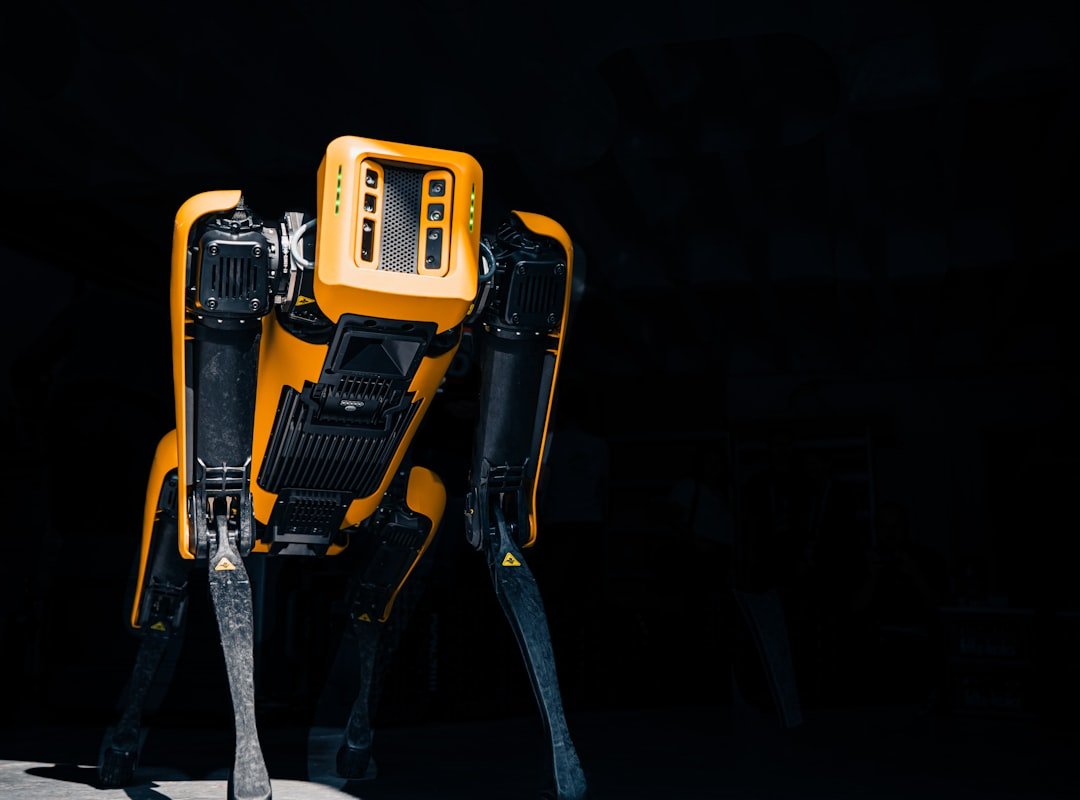

The AI Revolution: Harnessing Compute Power to Drive Innovation
The quest for dominance in artificial intelligence (AI) has become a pivotal aspect of the global technological landscape, with the United States and China vying for leadership. At the heart of this race is the development and control of advanced computing infrastructure, essential for training and operating sophisticated AI models. The outcome of this contest will not only shape the future of AI but also have profound implications for economic and strategic autonomy, particularly for Europe, which currently relies heavily on US and Chinese compute infrastructure.
As highlighted by the Bruegel think tank, Europe’s dependency on foreign hardware poses a significant risk to its economic autonomy as AI becomes an increasingly integral part of the global economy. The continent, however, possesses unique assets, such as the Dutch firm ASML’s monopoly on extreme ultraviolet lithography equipment, crucial for producing advanced semiconductors. Moreover, Belgium’s IMEC is at the forefront of research into the smallest semiconductors. The challenge for Europe is to leverage these strengths to close the AI compute gap and ensure it does not become permanently dependent on foreign technology.
Navigating the AI Landscape: Challenges and Opportunities
The integration of AI into various sectors, from healthcare to education, is proceeding at a rapid pace. In the healthcare sector, AI is being used to analyze medical records, assist with diagnoses, and streamline clinical workflows. For instance, Amazon’s AI-powered health assistant is helping patients manage common medical conditions and facilitating communication with healthcare providers. However, the adoption of AI in healthcare also raises concerns about data privacy, the potential for biased algorithms, and the need for human oversight to ensure accurate and compassionate care.
In education, AI is transforming the way students learn and teachers instruct. AI-powered tools are being used to personalize learning experiences, automate grading, and enhance student engagement. The Ohio Department of Education, for example, is co-hosting a webinar on the practical applications of AI in classrooms, schools, and district offices, aiming to equip educators with the knowledge and skills necessary to effectively integrate AI into their teaching practices. Despite these advancements, there is a growing need for professionals who can develop, implement, and critically evaluate AI solutions, underscoring the importance of AI literacy and ethics in educational curricula.
The Future of Work: Preparing for an AI-Driven Economy
As AI continues to permeate various industries, there is a pressing need to prepare workers and businesses for the potential disruptions it may cause. Governor Newsom’s recent executive order in California aims to address this challenge by directing state agencies to build a framework for responding to workforce disruption and ensuring that workers are not left behind as AI adoption accelerates. The order also emphasizes the importance of empowering workers, supporting small businesses, and promoting workforce training and retention.
The push for an AI-driven economy also raises questions about the role of human workers in industries where AI is poised to make significant impacts. Elon University President Connie Ledoux Book, speaking on an expert panel about AI, highlighted the “deepening value of humanness” in a future where AI is omnipresent. She emphasized the importance of human capabilities such as judgment, trust-building, and mentorship, which are likely to become increasingly valuable as AI assumes more routine and analytical tasks.
AI in Research and Development: Advancing Hurricane Forecasts
Beyond its applications in healthcare and education, AI is also being leveraged in scientific research to improve our understanding and prediction of natural phenomena. The National Oceanic and Atmospheric Administration (NOAA) is at the forefront of this effort, deploying AI, advanced models, and new technologies to enhance hurricane forecasts. For the first time, data from inside hurricanes gathered by uncrewed aircraft will be incorporated into NOAA’s flagship hurricane forecast model, the Hurricane Analysis and Forecast System (HAFS), in near-real-time. This integration is expected to improve hurricane intensity forecasts by 10 percent, showcasing the potential of AI to drive significant advancements in weather prediction and mitigation strategies.
Looking Ahead: The Broader Implications of AI
As AI continues to evolve and permeate various aspects of our lives, it is essential to consider the broader implications of this technology. The development and deployment of AI raise critical questions about privacy, security, and the ethical use of data. Moreover, the concentration of AI capabilities in the hands of a few large corporations or nations poses risks to global economic and political stability. Addressing these challenges will require a concerted effort from governments, industries, and civil societies to establish robust regulatory frameworks, invest in AI education and research, and foster international cooperation.
The future of AI is inherently tied to human ingenuity and the ability to harness this technology for the betterment of society. As we move forward, it is crucial to prioritize transparency, accountability, and inclusivity in AI development, ensuring that the benefits of AI are equitably distributed and its risks are mitigated. The journey ahead will be complex, but with careful navigation, AI can become a powerful tool for solving some of humanity’s most pressing challenges, from climate change to healthcare disparities. The question is not whether AI will shape our future but how we will choose to shape AI to serve the needs of all.