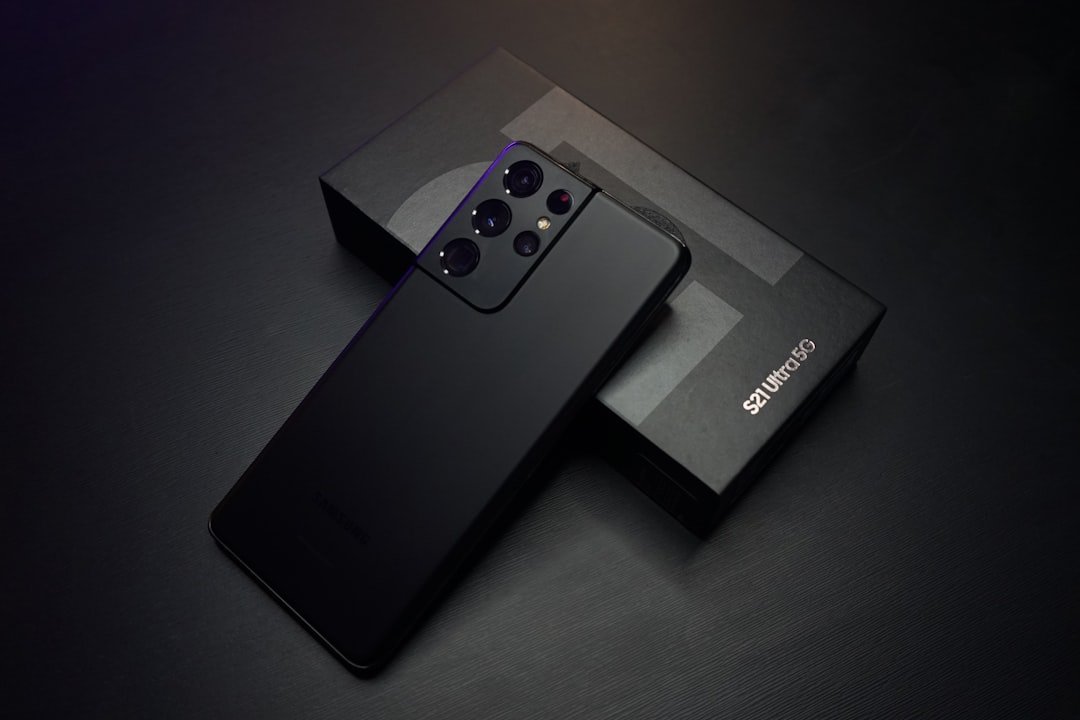

The world of Samsung is abuzz with activity, from the unveiling of new devices to labor union negotiations that could impact production. At the forefront of this activity is the Samsung Galaxy A37, a mid-range smartphone that boasts features rivalling those of its flagship counterparts, including the Galaxy S26 Ultra. According to a review by PCMag, the A37’s design language is reminiscent of the S26, with a flat-edge design that gives it a sleek, sharp look. However, the phone’s glossy rear surface quickly becomes a fingerprint nightmare, a problem that can be mitigated with the use of a microfiber cloth or a case.
The significance of the Galaxy A37 lies not only in its design but also in its potential to disrupt the mid-range smartphone market. With its flagship-like features and affordable price point, the A37 could pose a significant threat to competitors such as Google’s Pixel 10a. Moreover, the A37’s durability, thanks to its Gorilla Glass Victus+ front and rear, makes it an attractive option for consumers who want a phone that can withstand the rigors of daily use. As PCMag notes, the A37 has fallen from a nightstand several times without sustaining a single scratch.
The A37’s success is not the only factor that will impact Samsung’s bottom line. Labor union negotiations in South Korea could potentially disrupt production, with the union threatening to go on strike if its demands are not met. As reported by Yahoo Finance, Samsung Electronics has proposed unconditional talks with the union, but the union has stated that it will only sit down for talks if the company presents a detailed proposal addressing its demands. This development has significant implications for Samsung’s production and supply chain, as a strike could pose significant risks to economic growth, exports, and markets.
Samsung’s Labor Union Negotiations: A Delicate Balance
The labor union negotiations in South Korea are a critical aspect of Samsung’s operations, as the company relies heavily on its domestic production facilities. The union’s demands, which include improved pay and bonus schemes, must be carefully considered by Samsung to avoid a strike that could have far-reaching consequences. As Yahoo Finance notes, the South Korean government has voiced concerns that a strike at Samsung should be avoided at all costs, warning that it could pose significant risks to economic growth, exports, and markets. Samsung’s proposal for unconditional talks is a step in the right direction, but the company must be prepared to make concessions to avoid a strike.
The Future of Samsung’s Product Lineup
Looking ahead to the future, Samsung is expected to unveil new products at its Galaxy Unpacked event in July. According to a report by Mashable, the event will feature a new pair of smart glasses, as well as a new Galaxy Watch and several new foldable devices, including the Galaxy Fold 8 and a new “Wide Fold” phone. The smart glasses, which will use Google’s Android XR platform, will not feature a display but will have a microphone, speakers, and a camera, allowing users to interface with an AI assistant. This development is significant, as it marks Samsung’s entry into the growing market for smart glasses and augmented reality devices.
Implications for the Industry
The developments at Samsung have significant implications for the tech industry as a whole. The company’s ability to produce high-quality, affordable smartphones like the Galaxy A37 will continue to put pressure on competitors to innovate and reduce prices. Moreover, Samsung’s entry into the smart glasses market will likely spur other companies to follow suit, leading to a proliferation of augmented reality devices in the coming years. As Mashable notes, the Galaxy Unpacked event will be a significant moment for Samsung, as it will showcase the company’s latest innovations and set the tone for the rest of the year.
The Broader Impact on Samsung’s Business
The labor union negotiations and product developments at Samsung are closely tied to the company’s overall business strategy. Samsung’s ability to manage its labor costs and avoid disruptions to production will be critical in maintaining its competitive edge in the tech industry. Moreover, the company’s investments in new products and technologies, such as smart glasses and foldable devices, will be essential in driving growth and innovation. As Yahoo Finance reports, Samsung’s shares were trading down 2% in morning trade after the company’s proposal for unconditional talks, highlighting the importance of resolving the labor dispute quickly.
The future of Samsung is closely tied to its ability to innovate and adapt to changing market conditions. As the company looks ahead to the Galaxy Unpacked event and beyond, it must balance its desire to produce cutting-edge products with the need to manage its labor costs and avoid disruptions to production. The developments at Samsung will have significant implications for the tech industry, and the company’s success will depend on its ability to navigate these challenges and emerge stronger than ever. With its sights set on the future, Samsung is poised to continue its dominance in the tech industry, but only time will tell if it can overcome the obstacles in its path. The question on everyone’s mind is: what’s next for Samsung, and how will the company’s decisions impact the future of the tech industry?