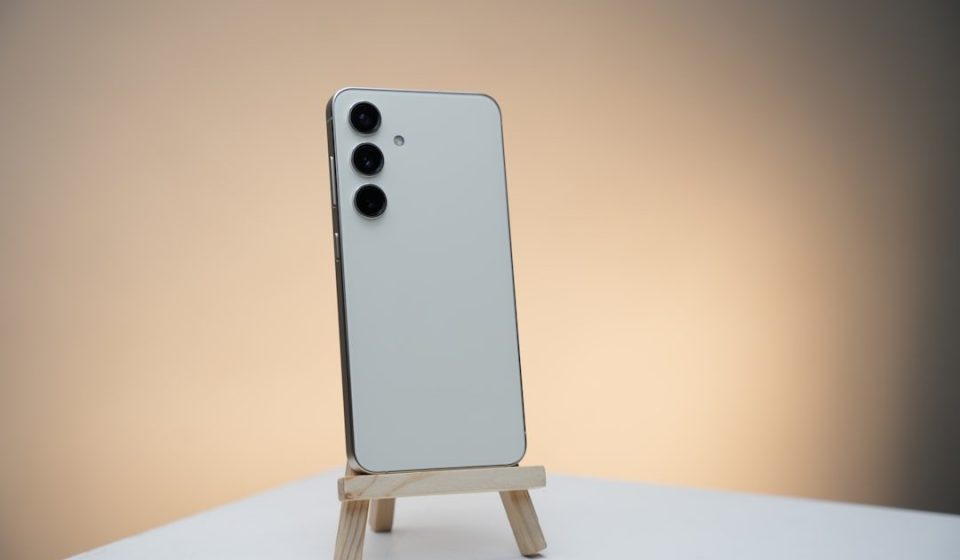

Samsung’s decision to embed stablecoin functionality directly into 800 million Galaxy devices marks one of the most aggressive attempts yet by a consumer electronics giant to bridge traditional mobile payments with cryptocurrency infrastructure. The move, executed through the company’s established Knox security architecture, positions Samsung to act as a primary distribution channel for assets such as USDC while sidestepping many of the onboarding frictions that have limited broader crypto adoption.
This development arrives alongside a wave of hardware refreshes and software adjustments that reveal both the scale of Samsung’s ambitions and the operational complexities of maintaining a vast device ecosystem. From next-generation foldables to experimental earbud designs and health-focused wearables, the company is simultaneously pushing form-factor boundaries and confronting user-reported performance issues that have surfaced after recent firmware releases.
Stablecoin Distribution Through Hardware Security
Samsung’s integration of stablecoin support builds on the Knox wallet introduced in 2019, which already allows users to store bitcoin, ether, and tron while connecting external hardware devices such as Ledger Nano S and Nano X. The latest expansion extends this capability to stablecoins, whose price stability makes them practical for everyday transactions rather than speculative trading. Industry observers note that distribution channels remain the primary bottleneck for stablecoin growth, and Samsung’s installed base gives it an immediate advantage in reaching new users at scale.
The technical foundation relies on Knox’s hardware-isolated vault, which uses fingerprint or PIN authentication to keep private keys separate from the main operating system. This architecture reduces exposure compared with software-only wallets, a distinction analysts believe will matter when regulators scrutinize consumer-facing crypto services. As a result, Samsung is positioned to become a dominant on-ramp for stablecoins such as USDC, shifting the competitive landscape away from pure fintech platforms toward device makers that control both hardware roots of trust and user interfaces.
Foldable Lineup Expands With New Form Factors
Samsung’s 2026 Galaxy Z series introduces a wider-format Fold8 that sits between the flagship Ultra model and the compact Flip8. All three devices share the Snapdragon 8 Elite Gen 5 processor, up to 1 TB of storage, IP48 dust and water resistance, and Dynamic AMOLED 2X panels capable of 120 Hz refresh rates and peak brightness reaching 3,000 nits. The Ultra and standard Fold8 add a Flex Titanium layer that flattens the crease and applies an anti-reflective coating, addressing long-standing complaints about visibility and durability.
These refinements coincide with internal planning documents indicating five distinct Galaxy Z models targeted for 2027, including a second-generation TriFold and an unidentified device carrying the codename Z9. The appearance of an extra model suggests Samsung may be preparing a rollable form factor, a category it has previously signaled interest in for a 2028 timeframe. The proliferation of SKUs illustrates how the company is using iterative hardware differentiation to defend its early lead in the foldable segment against emerging competitors.
Health Monitoring Features Drive Wearable Differentiation
The Galaxy Watch 9 introduces overnight vital-sign tracking that establishes a seven-night baseline for SpO2, heart-rate variability, respiratory rate, and skin temperature. Deviations from this baseline trigger alerts that could indicate emerging illness, a capability that parallels offerings from Apple and Oura but benefits from Samsung’s deeper integration with its Health app ecosystem. Additional metrics such as the Fitness Index and daily Cardio Load translate raw sensor data into actionable training guidance, while a Heart Health Score incorporates estimated blood pressure to assess circulatory trends.
These features extend Samsung’s strategy of embedding health data collection into devices users already wear daily. By combining continuous monitoring with on-device processing, the company reduces reliance on cloud services and differentiates its wearables from simpler fitness trackers. The approach also creates new data moats that could support future services in preventive care or insurance partnerships.
Software Updates Expose Battery and Thermal Trade-offs
Despite the hardware advances, the July 2026 One UI 8.5 update has triggered widespread reports of accelerated battery drain and overheating, particularly on Galaxy S25 and S24 Ultra devices. Users traced much of the increased consumption to WhatsApp remaining stuck in backup processes after the over-the-air installation. Samsung has not yet issued an official acknowledgment, leaving the issue to be addressed potentially in the next monthly patch cycle.
The episode highlights the difficulty of maintaining consistent performance across a fragmented global user base that receives updates at different times. While the same update reportedly resolved similar problems on competing Pixel devices, the Samsung-specific manifestation underscores how small changes in background services can produce outsized effects on devices with large batteries and high-refresh-rate displays. Resolving these regressions quickly will be essential to preserving user trust as the company promotes more sophisticated health and payment features that themselves increase background processing demands.
Accessory Ecosystem and Experimental Audio Designs
Complementing the core devices, Samsung is preparing additional Galaxy Buds variants, including an ear-hook model codenamed Buds Canal 5 that adds physical retention for active use cases. The design joins the previously leaked open-ear Galaxy Buds On, indicating a deliberate broadening of form factors beyond the traditional in-ear silhouette. Third-party accessories such as the JLab Go Pods ANC and Anker Nano 65 W chargers are also gaining traction among Galaxy Tab owners seeking better value or specialized functionality.
These moves reinforce Samsung’s emphasis on an integrated ecosystem in which accessories extend the utility of flagship phones, tablets, and watches. By encouraging third-party innovation while seeding its own experimental designs, the company aims to capture both hardware margins and recurring service revenue tied to its platforms.
Strategic Implications Across Hardware and Finance
Taken together, the stablecoin rollout, foldable diversification, health-tracking enhancements, and accessory experimentation reveal a coherent strategy: leverage Samsung’s manufacturing scale and security infrastructure to enter adjacent markets while iterating rapidly on core mobile devices. The approach carries execution risk, as evidenced by the recent software-related complaints, yet it also creates defensive moats that pure software or fintech competitors cannot easily replicate. As regulatory clarity around stablecoins evolves and consumer expectations for always-on health insights rise, Samsung’s ability to deliver these capabilities through trusted hardware channels may determine whether the company cements a durable position at the intersection of consumer electronics and digital finance.