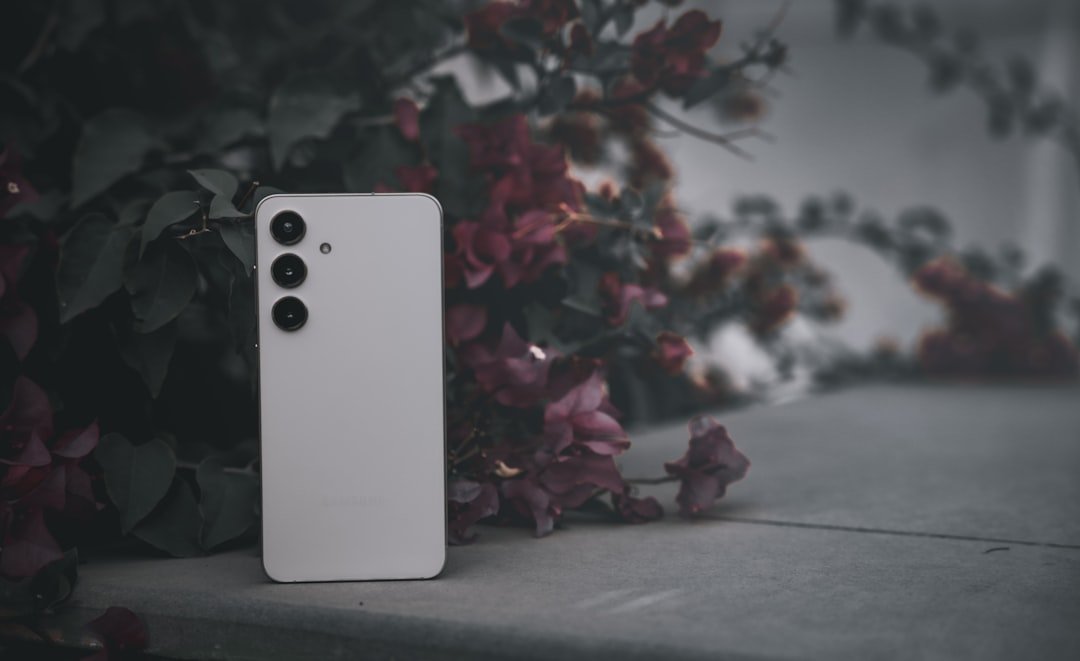

The global smartphone industry is confronting its sharpest contraction in more than a decade, driven by a severe shortage of DRAM and NAND memory that has inflated component costs and forced widespread price increases. Shipments fell 11 percent year-over-year in the second quarter, reaching the lowest level for any Q2 since 2013, according to Counterpoint Research. The same forces have created a clear bifurcation: premium vendors with pricing power and scale are holding or gaining ground, while mass-market players are retreating.
This dynamic is not merely cyclical. Memory suppliers have redirected capacity toward high-margin AI accelerators, leaving consumer electronics with tighter supply and costs that can now represent more than half the bill-of-materials in devices priced below $500. The resulting margin pressure is accelerating consolidation and reshaping competitive strategies across the sector.
Memory Shortage Forces Pricing Discipline and Portfolio Shifts
Memory now accounts for more than 60 percent of the manufacturing cost in budget smartphones, up dramatically from a year earlier. Manufacturers have responded by trimming product lines, raising average selling prices, and shifting emphasis toward higher-value configurations. The sub-$400 segment has absorbed the steepest volume declines, as price-sensitive buyers delay upgrades or settle for older inventory.
Flagship devices have fared better because memory represents a smaller fraction of their total cost—roughly one-quarter—and because vendors can absorb or pass along modest increases without triggering immediate demand destruction. Apple, in particular, kept iPhone pricing stable through the quarter while most Android competitors raised prices, contributing to its best-ever second-quarter performance.
Apple and Samsung Extend Their Lead
Samsung and Apple together captured an additional six percentage points of market share compared with the same period in 2025. Samsung held the top position at 22 percent, supported by strong supply availability and a delayed Galaxy S26 launch that pushed premium demand into the second quarter. Apple reached a record 20 percent share, its strongest showing in a traditionally weak quarter, aided by robust iPhone 17 upgrade cycles and disciplined pricing.
The rest of the top five—Xiaomi, Oppo, and Vivo—each posted declines. Omdia noted that these vendors have adopted more conservative strategies, reducing the number of models and lifting retail prices to protect margins. The polarization is structural: companies with vertically integrated supply chains or long-term memory contracts can secure allocations that smaller rivals cannot match.
Samsung Weighs a U.S. Listing to Match Memory Rivals
The memory shortage has also elevated the strategic importance of Samsung’s semiconductor business. Following SK Hynix’s record $26.5 billion Nasdaq listing last week, Samsung is reportedly in early discussions about offering American depositary receipts. The move would create a direct U.S.-traded benchmark alongside SK Hynix and Micron, potentially increasing liquidity and attracting additional institutional capital.
Samsung’s shares have already risen sharply in Seoul this year, pushing the company’s market capitalization above $1 trillion. A U.S. listing could further narrow valuation gaps with pure-play memory peers, though management is said to be monitoring volatile chip stocks before committing. The company has considered such a step in the past without proceeding; recurring labor issues and its diversified portfolio of consumer electronics and foundry operations would present new complexities for U.S. investors.
Technical and Ecosystem Challenges Surface in Flagship Products
Even as market share improves, Samsung faces near-term product issues. Users of the Galaxy S26 Ultra have reported a reddish display tint that appears within months of launch. The problem is under internal investigation, with speculation centering on the new Privacy Display hardware that darkens the screen from side angles. While the scale remains unclear, the timing—only months after a well-reviewed debut—highlights the risks of rapid integration of advanced display features.
Separately, Samsung confirmed that deep integration between the Galaxy Gallery app and Microsoft OneDrive will end in September. Long-time users who rely on automatic photo syncing across Windows PCs will need to migrate to alternative backup solutions, a change that severs one of the more seamless cross-platform experiences in the Android ecosystem.
Foundry Momentum Builds with Tesla’s AI5 Chip
Offsetting these product-level concerns is progress at Samsung’s foundry. The company’s Taylor, Texas, facility has reached tape-out on Tesla’s AI5 self-driving chip using the 2-nanometer process. This marks an acceleration relative to earlier expectations that the node would debut with the subsequent AI6 generation. Achieving viable yields on 2 nm is a critical milestone for Samsung Foundry, which has trailed TSMC in advanced-process competitiveness. Securing high-volume AI workloads from Tesla could validate the technology roadmap and attract additional customers seeking diversified supply.
Looking Ahead
The memory-driven downturn is compressing the smartphone market while simultaneously elevating the strategic value of semiconductor manufacturing capacity. Vendors that control supply or can command premium pricing are consolidating share; those that cannot are exiting segments or raising prices. At the same time, Samsung’s foundry advances and potential capital-market moves signal an effort to translate its memory leadership into broader influence across AI hardware and global investor bases.
The coming quarters will test whether these advantages persist once memory supply normalizes or whether structural changes in component allocation permanently favor the largest players.