McDonald’s decision to resurrect its deep-fried apple pie for America’s 250th anniversary taps into a potent vein of consumer nostalgia, even as a new processing plant in Santa Rosa prepares to handle up to 80 tons of heritage apples daily and Apple rolls out incremental Siri enhancements in iOS 27 beta 2 alongside steep Prime Day discounts on hardware and streaming.
These moves reveal how both literal and corporate apples continue to shape supply chains, software roadmaps, and seasonal retail cycles. The pie’s return after more than three decades coincides with shrinking processing options for Northern California growers, while Apple’s software and hardware updates arrive during a compressed sales window that rewards aggressive pricing.
Fried Pies and the Limits of Retro Engineering
The reintroduced McDonald’s fried apple pie replicates the original’s high-saturated-fat crust and molten filling, a formulation discontinued in the late 1990s amid shifting dietary preferences. Early tasters note the same risk of tongue burns from superheated compote encased in a shell engineered for extended fry times. McDonald’s timed the launch to the semiquincentennial, pairing the item with a 35-foot Route 66 installation that functions more as branded spectacle than operational kitchen.
The revival tests whether sensory memory can override current nutritional expectations. Fast-food operators have largely shifted toward baked alternatives with lower oil content, yet the fried version’s cult status persists among those who recall pre-1992 menus. Success hinges on whether the pie can command premium positioning without cannibalizing the existing baked offering or inviting regulatory scrutiny over trans-fat content.
Infrastructure Gaps in Regional Apple Processing
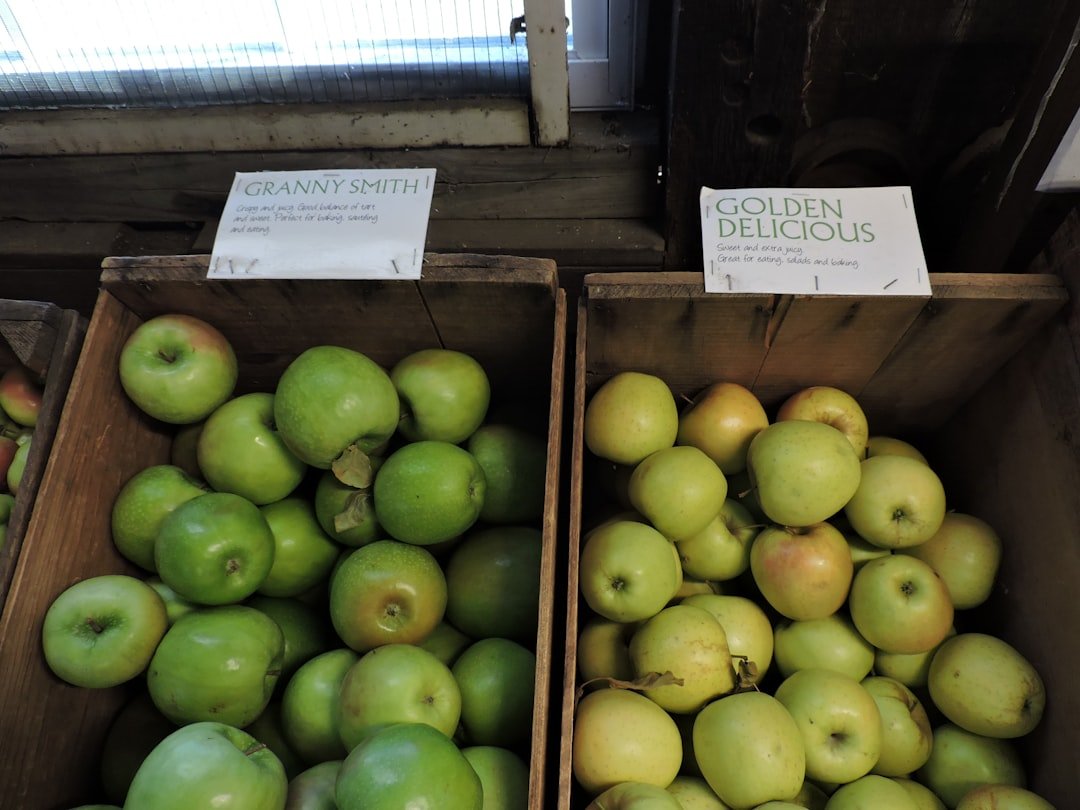
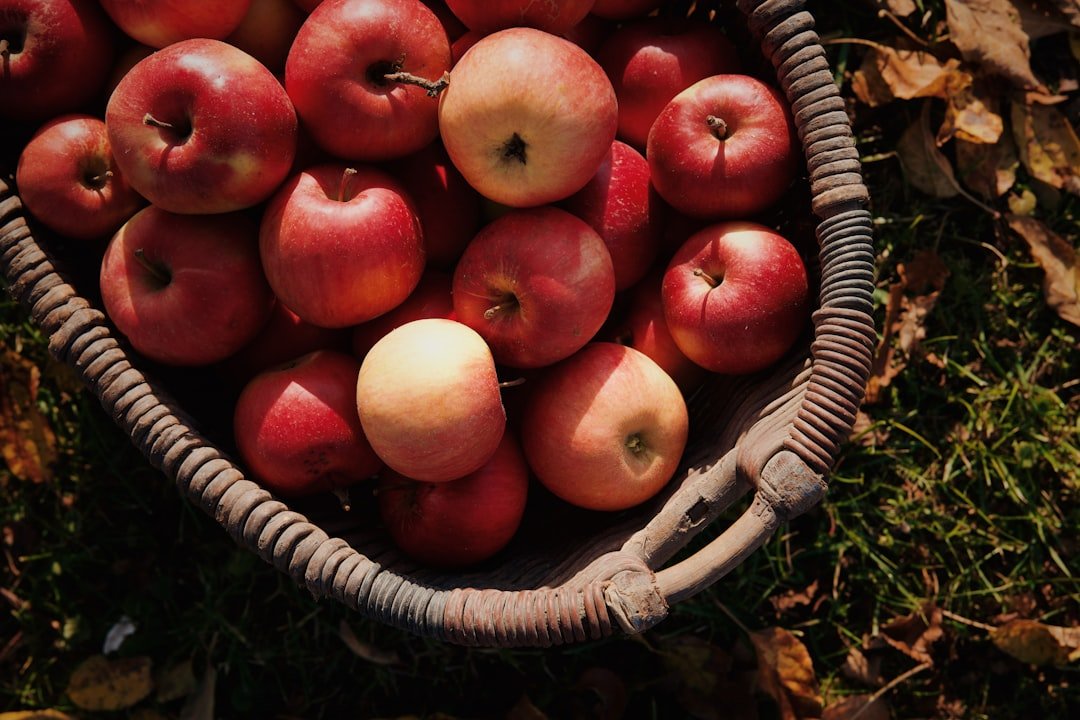
Gold Ridge Organic Farms’ 20,000-square-foot Heritage Apple Press in Santa Rosa addresses a concrete bottleneck for small-scale growers. The facility will handle fresh-pack, juice, cider, and vinegar production at 80 tons per day once operational in fall 2026, serving orchards across Sonoma, Mendocino, and the Pajaro Valley. Owner Brooke Hazen cited the loss of Manzana Products’ century-old Graton plant, which will relocate to Washington by 2027, as evidence that local capacity is eroding.
Farmers such as Dave Hale of Hale’s Apple Farm report yields as low as 10-20 percent of normal because of spring blight, compounding rising fuel and labor costs. A dedicated press lowers barriers for custom batches and value-added products that larger out-of-state processors often decline. The investment therefore functions less as expansion and more as defensive infrastructure to retain heritage varieties like Gravenstein within Northern California’s production network.
Siri Refinements Signal Incremental AI Integration
iOS 27 beta 2 introduces a persistent “Write with Siri” entry point in Messages, Notes, and Mail, eliminating the prior requirement to select text first. The update also enables bulk deletion of conversations in the standalone Siri app and surfaces a toggle for “Highlight to Image Search,” which routes visual queries to external services. Voice customization options for pace and expressivity remain labeled “Coming Soon,” indicating that core model improvements are still stabilizing.
These changes prioritize workflow friction reduction over headline-grabbing capabilities. By embedding generative assistance at the keyboard level rather than requiring app switching, Apple continues its pattern of embedding AI features inside existing surfaces. The Visual Intelligence toggle, disabled by default, reflects caution around third-party data handling even as the feature expands image-search utility.
Prime Day Pricing Compresses Margin Windows
Amazon’s promotion of the Apple TV add-on at $5.99 per month for two months—roughly 54 percent below the standard $12.99 rate—illustrates how streaming services now treat Prime Day as a customer-acquisition event rather than a pure hardware play. The discount requires billing through a Prime account, tightening integration between Amazon’s storefront and Apple’s content library.
Simultaneous hardware promotions, including 28 percent off AirPods Pro 3 and 30 percent off the Apple Watch Series 11, concentrate demand into a six-day window. Retail data show these discounts represent the lowest prices in at least three months for multiple SKUs, pressuring Apple’s channel partners to clear inventory ahead of fall releases. The pattern suggests hardware margins are increasingly defended through volume spikes rather than sustained list pricing.
Intersecting Supply Chains and Brand Ecosystems
The agricultural press and the software beta both address capacity constraints—one physical, one computational—while the pie and the streaming deal leverage nostalgia and urgency to drive immediate consumption. McDonald’s 35-foot pie installation and Apple’s limited-time pricing both convert cultural memory or calendar events into short-term revenue lifts.
For growers, the Santa Rosa facility may stabilize orchard economics enough to support continued cultivation of lower-yielding heritage fruit. For Apple Inc., the iOS refinements and discounted subscriptions maintain engagement across a maturing installed base while hardware promotions clear the way for next-cycle upgrades. The common thread is the strategic management of scarcity: limited fryers for the pie, limited processing slots for farmers, limited beta slots for developers, and limited sale days for consumers.
These parallel maneuvers indicate that both food and technology sectors are refining how they allocate constrained resources—whether orchard capacity or developer attention—while using heritage cues and time-bound offers to shape demand. The coming months will reveal whether the pie sustains repeat purchases, whether the press can operate near capacity amid variable yields, and whether Siri’s new writing tools migrate from beta to daily workflows before the next OS cycle begins.