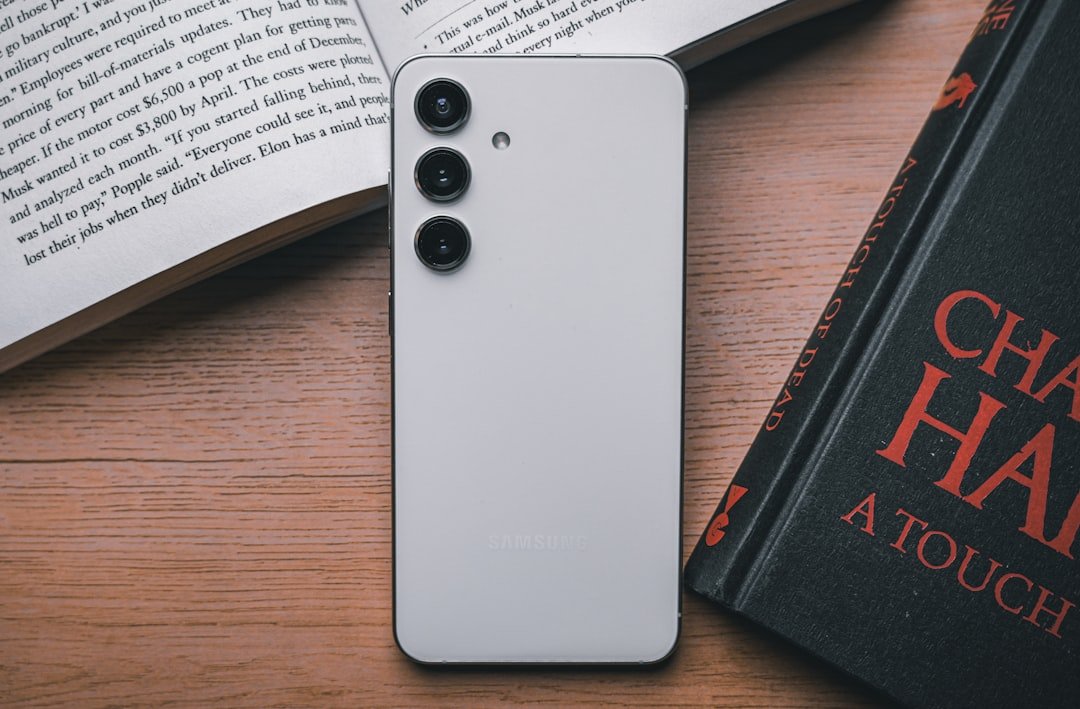

The smartphone landscape is on the cusp of a significant shift, with Samsung poised to introduce a new Pro model in its Galaxy S27 lineup, featuring a 6.47-inch OLED display Rumored Samsung Galaxy S27 Pro Could Feature a 6.47-inch Display. This development is particularly noteworthy as it mirrors the strategy employed by Apple and Google, offering consumers a choice between two size options for their Pro phones. The move towards more diverse lineup options underscores the evolving needs of consumers, who are no longer content with a one-size-fits-all approach to smartphones. As the market continues to mature, manufacturers are being forced to adapt and innovate to stay ahead of the curve.
The introduction of the Galaxy S27 Pro model is a strategic play by Samsung to capture a larger share of the premium smartphone market. By offering a smaller but equally powerful option, Samsung is effectively bridging the gap between its standard and Plus models, providing consumers with a more nuanced choice that caters to their individual preferences. This approach is reminiscent of Apple’s iPhone lineup, where the Pro model serves as a sweet spot for those seeking a balance between size and functionality. The decision to omit the S Pen, a staple feature of the Galaxy S Ultra phones, suggests that Samsung is carefully calibrating the features of the Pro model to appeal to a specific segment of the market.
The Rise of Diversified Lineups
The trend towards more diversified lineups is a response to the increasingly fragmented smartphone market. As consumers become more discerning, manufacturers are being compelled to offer a range of options that cater to different needs and preferences. The Galaxy S27 Pro model, with its 6.47-inch display, is a prime example of this trend. By providing a smaller but more powerful option, Samsung is effectively targeting consumers who want a premium smartphone experience without the bulk of a larger device. This strategy is not unique to Samsung, as Apple and Google are also adopting similar approaches with their Pro phones. The key takeaway is that manufacturers are no longer content with a single flagship model; instead, they are opting for a more nuanced approach that acknowledges the diversity of consumer needs.
Labor Disputes and AI Bonus Demands
In a separate development, Samsung has been navigating labor disputes, with workers pushing for an AI bonus Samsung strike on hold as workers push for AI bonus. The strike, which has been put on hold, underscores the growing tensions between labor and management in the tech industry. As companies like Samsung invest heavily in AI and automation, workers are seeking a fair share of the benefits. The demand for an AI bonus is a significant development, as it highlights the evolving nature of work in the tech sector. With AI and automation poised to transform the industry, workers are seeking greater recognition and compensation for their contributions. The outcome of this dispute will have significant implications for the tech industry, as it sets a precedent for how companies navigate the complex issues surrounding AI and labor.
Technical Context and Specifications
The Galaxy S27 Pro model is expected to share many of the same specifications as the standard and Plus models, with the notable exception of the S Pen. The decision to omit this feature suggests that Samsung is carefully calibrating the features of the Pro model to appeal to a specific segment of the market. The inclusion of the Privacy Display feature, which first debuted on the Galaxy S26 Ultra, is a significant development, as it underscores Samsung’s commitment to delivering a premium smartphone experience. From a technical perspective, the Galaxy S27 Pro model is expected to boast a range of advanced features, including a high-resolution OLED display, a powerful processor, and a long-lasting battery. These specifications will be critical in determining the success of the Pro model, as consumers increasingly demand more from their smartphones.
Business Implications and Competitive Landscape
The introduction of the Galaxy S27 Pro model has significant implications for the competitive landscape of the smartphone market. By offering a smaller but equally powerful option, Samsung is effectively targeting consumers who are seeking a premium smartphone experience without the bulk of a larger device. This strategy is likely to put pressure on Apple and Google, which will need to respond with their own lineup adjustments. The move towards more diversified lineups is a trend that is likely to continue, as manufacturers seek to capture a larger share of the premium smartphone market. The key takeaway is that the smartphone market is becoming increasingly complex, with manufacturers being forced to adapt and innovate to stay ahead of the curve.
Future Implications and Outlook
As the smartphone market continues to evolve, manufacturers will need to stay ahead of the curve to remain competitive. The introduction of the Galaxy S27 Pro model is a significant development, as it underscores the trend towards more diversified lineups. The demand for an AI bonus by Samsung workers is also a significant development, as it highlights the evolving nature of work in the tech sector. Looking ahead, it is likely that we will see more manufacturers adopting similar strategies, as they seek to capture a larger share of the premium smartphone market. The key question is how these developments will shape the future of the smartphone industry, and what implications they will have for consumers, manufacturers, and workers alike. As the market continues to mature, one thing is certain: the smartphone landscape will never be the same again. The future of the industry will be shaped by the complex interplay between technological innovation, consumer demand, and labor dynamics, making it an exciting and unpredictable space to watch.