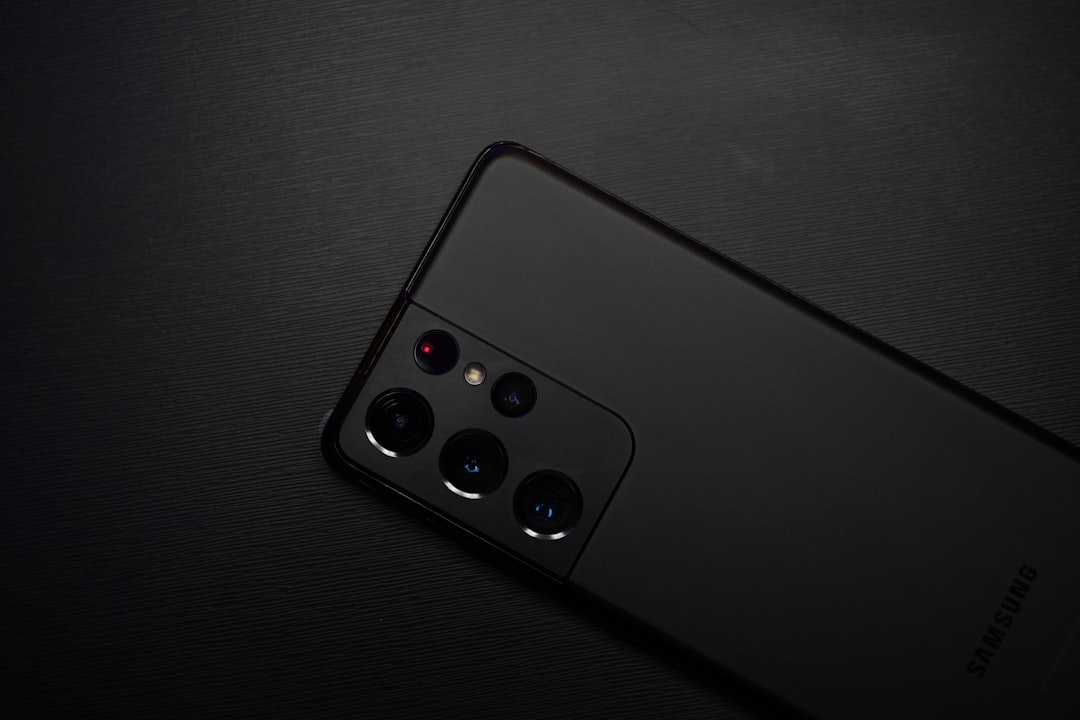

The future of smart technology is unfolding at a rapid pace, with innovations that promise to revolutionize the way we live and interact with our surroundings. One of the most significant developments in this space is the integration of artificial intelligence (AI) into everyday devices, from smartwatches to home appliances. Samsung, a trailblazer in the tech industry, has been at the forefront of this movement, with recent announcements that underscore its commitment to harnessing the power of AI to improve our lives. For instance, the company’s Galaxy Watches have been found to predict fainting episodes with impressive accuracy, using photoplethysmography sensors and AI algorithms to analyze heart rate variability data Samsung’s Galaxy Watches Could Alert Users Before They Faint – CNET.
This breakthrough has far-reaching implications, not only for the millions of people who suffer from fainting episodes but also for the broader healthcare industry. The ability to predict and prevent such episodes can significantly reduce the risk of injury and improve overall quality of life. Moreover, this technology has the potential to be applied to other health-related areas, such as monitoring vital signs and detecting early warning signs of chronic diseases. As Jongmin Choi, head of the health R&D group at Samsung Electronics, noted, “This study is an example of how wearable technology can help shift healthcare from being designed for ‘post-care’ to a model of ‘preventive care'” Samsung’s Galaxy Watches Could Alert Users Before They Faint – CNET. The study’s findings, which showed an accuracy rate of 84.6% in predicting fainting episodes, demonstrate the potential of AI-powered wearables to revolutionize the healthcare industry.
The AI-Powered Home
Samsung’s foray into AI-powered home appliances is another significant development that promises to transform the way we live and interact with our surroundings. The company’s new line of smart appliances, including refrigerators and ovens, comes equipped with advanced AI features that can recognize food, suggest recipes, and even order groceries online Samsung is quietly loading up your appliances with AI – Business Insider. These features, powered by Google Gemini, use large language models to identify specific foods and display them in a companion app on the user’s phone. For example, the AI-powered fridge can identify a can of Coke and add it to the user’s shopping list, making it easier to keep track of groceries and plan meals. This level of integration and automation has the potential to make our lives easier, more efficient, and more enjoyable.
Memory Shortage: A Growing Concern
However, the tech industry’s rapid growth and increasing demand for AI-powered devices have also led to a growing concern: memory shortage. Samsung has warned that the global memory shortage will worsen in 2027, driven by high demand for memory for AI data center construction Samsung warns memory shortage will be worse next year – Mashable. This shortage has already led to increased prices and delayed releases of various products, including smartphones and gaming consoles. As Kim Jaejune, a Samsung executive, noted, “Our supply falls far short of customer demand… Based solely on the demand currently received for 2027, the supply-to-demand gap for 2027 is set to widen even further than in 2026” Samsung warns memory shortage will be worse next year – Mashable. The shortage is expected to have a significant impact on the industry, with prices for memory chips increasing by up to 20% in the coming year.
Competitive Landscape
The integration of AI into home appliances is not unique to Samsung, as other companies, such as LG, are also investing heavily in this space. LG’s AI-powered appliances, for instance, are designed to learn users’ habits and automate key functions, making everyday tasks easier and more efficient. The competition in this space is expected to drive innovation and improve the overall quality of AI-powered devices. As Michael McDermott, executive vice president of consumer electronics at Samsung, noted, “The goal is to create technology that fades into the background while making your day easier” Samsung is quietly loading up your appliances with AI – Business Insider. The company’s focus on creating seamless and intuitive user experiences will be crucial in differentiating its products from those of its competitors.
Technical Context
The development of AI-powered devices requires significant advances in fields such as machine learning, natural language processing, and computer vision. Samsung’s use of photoplethysmography sensors and AI algorithms to predict fainting episodes is a testament to the company’s commitment to pushing the boundaries of what is possible with technology. The company’s collaboration with Google on the development of AI-powered appliances also highlights the importance of partnerships and collaborations in driving innovation in the tech industry. As the demand for AI-powered devices continues to grow, companies will need to invest in research and development to stay ahead of the curve and address the technical challenges associated with integrating AI into everyday devices.
Future Implications
The integration of AI into everyday devices has the potential to transform various aspects of our lives, from healthcare and home management to entertainment and education. As the technology continues to evolve, we can expect to see even more innovative applications of AI in the future. However, the industry will also need to address the challenges associated with memory shortage, data privacy, and security. The development of more efficient and secure AI algorithms, as well as the creation of new business models that prioritize user privacy and security, will be crucial in ensuring the long-term success of AI-powered devices. As we look to the future, one thing is clear: the integration of AI into everyday devices is just the beginning of a new era in technology, one that promises to revolutionize the way we live, work, and interact with our surroundings. The question is, what will be the next breakthrough that changes the game, and how will companies like Samsung continue to innovate and push the boundaries of what is possible with AI?