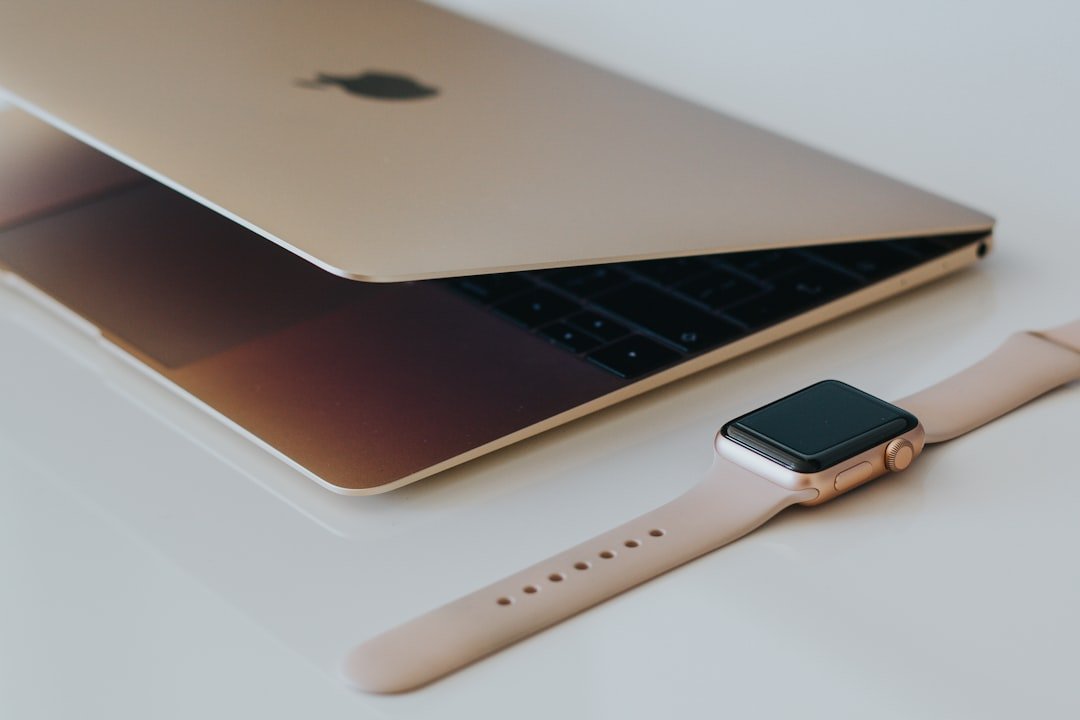

Apple’s Q2 Surge Masks Deeper Supply Chain Fault Lines from AI Boom
As Apple reported fiscal Q2 earnings that surpassed Wall Street expectations—$111.2 billion in revenue and $2.01 EPS, up from $95.35 billion and $1.65 a year prior—investors cheered with a 5% stock pop, fueled by iPhone revenue hitting $56.99 billion and a rebound in Greater China to $20.49 billion Apple stock rises after Q2 earnings. Yet beneath the headline numbers, CEO Tim Cook issued stark warnings about a global memory shortage, exacerbated by AI data center expansions, projecting “significantly higher memory costs” and supply constraints persisting for months. This tension underscores a pivotal moment for Apple: robust demand for its ecosystem, including AI-optimized hardware like the Mac mini powering developer tools such as OpenClaw agents, colliding with industry-wide bottlenecks.
These developments ripple far beyond Cupertino. In an era where AI infrastructure from Nvidia, Meta, and Microsoft devours high-bandwidth memory (HBM) and DRAM—Micron’s stock up 570% amid capacity ramps—consumer giants like Apple face margin erosion and forced product pivots. Services revenue climbed to $30.97 billion, a bright spot signaling sticky subscriptions, but hardware vulnerabilities expose risks. Meanwhile, leadership shifts with Cook’s September exit and John Ternus’s ascension add intrigue, as does antitrust heat and wearables competition. Together, they paint Apple navigating prosperity amid scarcity, with enterprise implications from AI dev tools to cloud-adjacent supply chains.
Earnings Resilience Highlights iPhone Dominance and China Rebound
Apple’s Q2 beat wasn’t just numbers; it reflected strategic fortitude in a smartphone market down 4.1% year-over-year to 289.7 million units, per IDC, as premium devices like the iPhone insulated against demand dips Apple stock rises after Q2 earnings. iPhone sales marked the second straight quarter of 20%+ growth, with Cook attributing it to “extraordinary” iPhone 17 lineup demand. Greater China, Apple’s second-largest market, surged past forecasts to $20.49 billion from $18.9 billion expected, signaling Huawei competition easing amid U.S. export curbs.
For enterprise buyers, this matters: iPhones integrate deeply with MDM fleets and zero-trust architectures, bolstering Apple’s $30.97 billion Services segment—up from $26.64 billion last year—via App Store, iCloud, and Apple Business Manager. Mac revenue hit $8.39 billion, buoyed by the $599 MacBook Neo debut and Mac mini’s AI breakout, where developers snapped up units for agentic workflows despite memory hikes. Business implications are dual-edged: Apple’s 17% revenue growth beat guidance “despite supply constraints,” per Cook, but global memory shortages—tied to AI server builds—threaten Q3 margins as NAND and DRAM prices soar.
Analysts see insulation in premium tiers, yet IDC warns broader shipment declines could pressure volumes. Transitioning to Ternus, hardware SVP, positions Apple for silicon innovation amid these headwinds, potentially accelerating M5 chips with on-package memory to bypass shortages. This quarter reinforces Apple’s moat but flags AI’s collateral damage to consumer supply chains.
Memory Crunch Forces Mac Mini Overhaul, Elevating Entry Price
The memory crisis materialized starkly when Apple axed the Mac mini’s 256GB storage config, bumping the base M4 model (16GB RAM) to $799 with 512GB SSD—$200 pricier than before Apple Stops Selling Mac Mini With 256GB. Cook confirmed on the earnings call: supply-demand imbalance for Mac mini and Studio could last “several months,” as both serve as “amazing platforms for AI and agentic tools” Apple CEO Tim Cook warns of extended memory crunch.
Technically, this stems from AI datacenters hoarding HBM3E and DDR5, constricting consumer DRAM/SSD supply. Micron, Samsung, and SK Hynix prioritize Nvidia’s memory-hungry GPUs, leaving Apple rationing NAND for SSDs. Enterprise devs, using Mac minis for OpenClaw AI instances, now face hikes mirroring Microsoft’s $25 billion capex bump from components. Apple echoed Meta’s capex inflation, forecasting memory’s “increasing impact.”
Implications extend to cloud computing: as hyperscalers like AWS and Azure fuel shortages via GPU clusters, edge AI devs pivot to pricier configs or rivals like Dell Precision minis. Apple’s response—”We’ll look at a range of options,” per Cook—hints at vertical integration, perhaps custom NAND fabs or software optimizations like memory compression in macOS. This pivot raises barriers for SMBs but cements Apple’s premium positioning, potentially squeezing 10-15% margins short-term while spurring innovation.
Antitrust Lawsuit Targets iPhone ‘Lock-In,’ Echoing Broader Ecosystem Battles
Compounding supply woes, a class-action antitrust suit alleges Apple engineered an iPhone monopoly via “lock-in” tactics, overcharging buyers since March 2020 Apple Antitrust Lawsuit. Filed in states like Arizona to Pennsylvania, it claims anticompetitive practices stifle switching, curb innovation, and inflate prices—seeking refunds and reforms.
The complaint details “walled garden” elements: proprietary repairs, App Store exclusivity, and Face ID limits deterring Android migration. For enterprise IT, this strikes at core strengths—secure iOS fleets dominate Fortune 500 MDM deployments—but invites DOJ scrutiny post-Epic saga. If certified, it could force API openness, aiding cloud integrations like Microsoft Intune parity.
Business fallout? Premium pricing sustains 40%+ iPhone margins, but litigation risks $ billions in damages, mirroring Google’s ad-tech probes. In competitive landscape, Samsung and Google gain if sideloading eases, yet Apple’s 50%+ U.S. premium share endures via seamless ecosystem. Future-wise, EU DMA compliance previews global shifts, pressuring Apple to balance lock-in with openness amid AI agents demanding cross-platform data flows.
Wearables and Audio Upgrades Bolster Consumer Stickiness
Amid hardware squeezes, Apple doubles down on wearables and audio. A Cosmopolitan tester favored Oura Ring’s period-predicting temp sensors and jewelry-like comfort over Apple Watch’s fitness prowess and phone-free autonomy, highlighting niche battles I Tested the Apple Watch and the Oura Ring. Enterprise angle: Watch’s ECG and fall detection integrate with workplace wellness platforms, while Oura courts privacy-focused execs.
AirPods Max 2, visually unchanged at $549, packs AirPods Pro 3 software: Siri, Live Translation, head gestures, top-tier ANC Apple’s Iconic Over-Ears Headphones. Battery gripes persist—no power button, slow drain—but repairable cans appeal to sustainability mandates. May’s iOS 26.5 brings Live Activities 2.0, enhancing enterprise notifications Here’s everything Apple has coming this May.
These refine the flywheel: wearables drive Health app data into iCloud ML models, fueling AI personalization.
Software Momentum and Content Slate Gear Up for WWDC
May previews iOS 26.5 (Pride wallpapers, Vision Pro tweaks), accessibility reveals, and Apple TV/Arcade drops like Star City Here’s everything Apple has coming this May. No hardware, eyes on WWDC’s iOS 27.
This cadence sustains engagement, with Services as margin fortress amid hardware volatility.
Apple’s trajectory fuses financial muscle with AI-fueled fragility, enterprise AI demand reshaping consumer silicon. As memory wars rage—Cook eyeing “options” from fab pacts to M-series efficiencies— Cupertino’s adaptability will define resilience. Will Ternus steer bolder supply diversification, or deepen vertical control? The AI era demands it, with stakes mounting for cloud titans and devs alike. Porsche’s Apple-liveried IMSA cars nod to cultural cachet Porsche Penske Motorsport, but supply realities ground the icon. Forward, Apple’s alchemy of scarcity and innovation charts tech’s next fault line.
(Word count: 1,348)