
# Samsung’s Ecosystem Surge: From Secure Digital IDs to Foldable Frontiers
California’s Department of Motor Vehicles has unlocked a new frontier in digital identity by integrating mobile driver’s licenses (mDLs) into Samsung Wallet, amplifying a pilot program now boasting 1.7 million active users. This move, announced amid the state’s aggressive digital transformation under Governor Newsom, allows Samsung Galaxy users to securely store and share their REAL ID-compliant licenses alongside Apple Wallet, Google Wallet, and the DMV’s proprietary app California expands mobile driver’s license to Samsung Wallet. What elevates this beyond convenience is its cybersecurity pedigree: users control data sharing, revealing only essentials like name and age, sidestepping full exposure of addresses or DOBs during verifications at TSA checkpoints or online services.
This development underscores a pivotal shift in enterprise technology, where state-level adoption of mobile IDs signals broader trust in cloud-backed, privacy-preserving authentication. With mDLs enabling passwordless logins to MyDMV and community college portals, California’s initiative previews how biometric-secured wallets could streamline enterprise access management, reducing phishing risks in zero-trust architectures. Samsung’s involvement, however, threads a larger narrative: the Korean giant is fortifying its hardware-software moat amid fierce competition in foldables and consumer electronics, using promotions and partnerships to drive ecosystem lock-in. As digital wallets evolve from payments to sovereign identities, these strides portend regulatory ripple effects nationwide, challenging legacy ID systems while exposing new vectors for sophisticated attacks.
California’s mDL Pilot: A Blueprint for Secure Government Digitalization
At the heart of California’s push lies a robust pilot program with 1.7 million mDLs, 900,000 housed in the DMV’s own wallet, now expanding to Samsung’s platform for greater interoperability. Transportation Secretary Toks Omishakin hailed it as “secure, digital options that give Californians more choices,” usable at select TSA checkpoints, convenience stores, and for air travel with REAL ID compliance California expands mobile driver’s license to Samsung Wallet. DMV Director Steve Gordon emphasized safety: “It’s not just handy, it’s safer too,” by minimizing shared personal details.
Technically, this leverages ISO/IEC 18013-5 standards for mDLs, enabling selective disclosure via Bluetooth Low Energy (BLE) or NFC, with cryptographic proofs verified against DMV cloud backends. For cybersecurity experts, this is gold: it mitigates risks of physical ID theft or data breaches in centralized databases, aligning with NIST’s digital identity guidelines. Business-wise, it positions California as a leader, potentially pressuring federal REAL ID harmonization and spurring vendors like Samsung to invest in compliant SDKs.
Industry implications ripple outward. With 1.7 million users, adoption rivals early Apple Pay trajectories, hinting at scalable enterprise use cases like employee badge replacement. Yet challenges persist: Samsung Wallet mDLs are TSA-limited initially, underscoring phased rollouts to iron out edge cases like device loss (mitigated by remote revocation). This sets a precedent for states like New York or Arizona, accelerating a $10B+ digital ID market projected by 2030.
Privacy-Preserving Tech: How mDLs Fortify User Control in a Data-Hungry World
Selective disclosure is the mDL’s killer feature, allowing users to share age proofs without addresses, a direct counter to identity fraud costing U.S. enterprises $52B annually per Javelin Strategy. Gordon noted its utility for “verifying identity and age without sharing unnecessary personal details,” backed by end-to-end encryption and zero-knowledge proofs California expands mobile driver’s license to Samsung Wallet.
From a cybersecurity lens, integration with Samsung Knox—Samsung’s defense-grade platform—adds hardware root-of-trust, isolating credentials in secure enclaves akin to Apple’s Secure Enclave. This thwarts side-channel attacks prevalent in Android ecosystems, where 2025 saw a 30% uptick in mobile malware per Check Point. Cloud implications are profound: DMV’s backend likely employs federated learning for fraud detection without centralizing raw biometrics, enhancing scalability for enterprise SSO.
For businesses, this democratizes secure auth. Imagine procurement teams flashing mDLs for vendor verification or HR using them for compliance checks, slashing verification times by 70%. Samsung’s multi-wallet support (CA DMV, Apple, Google) fosters competition, pressuring incumbents to innovate, but interoperability gaps—like varying TSA support—could fragment adoption if not standardized via initiatives like the Mobile Driver’s License Alliance.
Samsung’s Wallet Dominance Meets Consumer Fire Sales
Samsung’s mDL push coincides with aggressive hardware promotions, signaling a strategy to bundle ecosystem perks amid softening TV/monitor demand. The 55-inch Neo QLED TV plummets to $597.99 at Amazon—a $300 all-time low—bundled with a free month of Xbox GamePass Ultimate, auto-applied at checkout Samsung 55-Inch Class Neo QLED TV hits all-time low. Similarly, ZDNet spotlights a BOGO: buy a qualifying monitor, snag a free 32-inch Odyssey G7, targeting gamers and prosumer setups Samsung free 32-inch Odyssey monitor deal.
These aren’t isolated discounts; they’re ecosystem bait. Neo QLED’s Mini LED backlighting and AI upscaling pair seamlessly with Samsung Wallet on Galaxy devices, while Odyssey’s 4K/240Hz specs appeal to remote workers leveraging cloud gaming. Business angle: post-pandemic, enterprises eye hybrid displays for productivity, with Samsung capturing 20% smart TV share per Statista. Promotions counter TCL/Hisense pricing wars, boosting Q2 shipments amid 5% market contraction.
Cybersecurity tie-in: Samsung TVs integrate SmartThings hubs, vulnerable to IoT exploits (e.g., 2024’s 1.5M compromised devices). Bundles incentivize Knox-secured ecosystems, but enterprises must audit firmware for CVE compliance.
Foldable Rivalry Heats Up: Razr Fold Takes Aim at Galaxy Z Fold 7
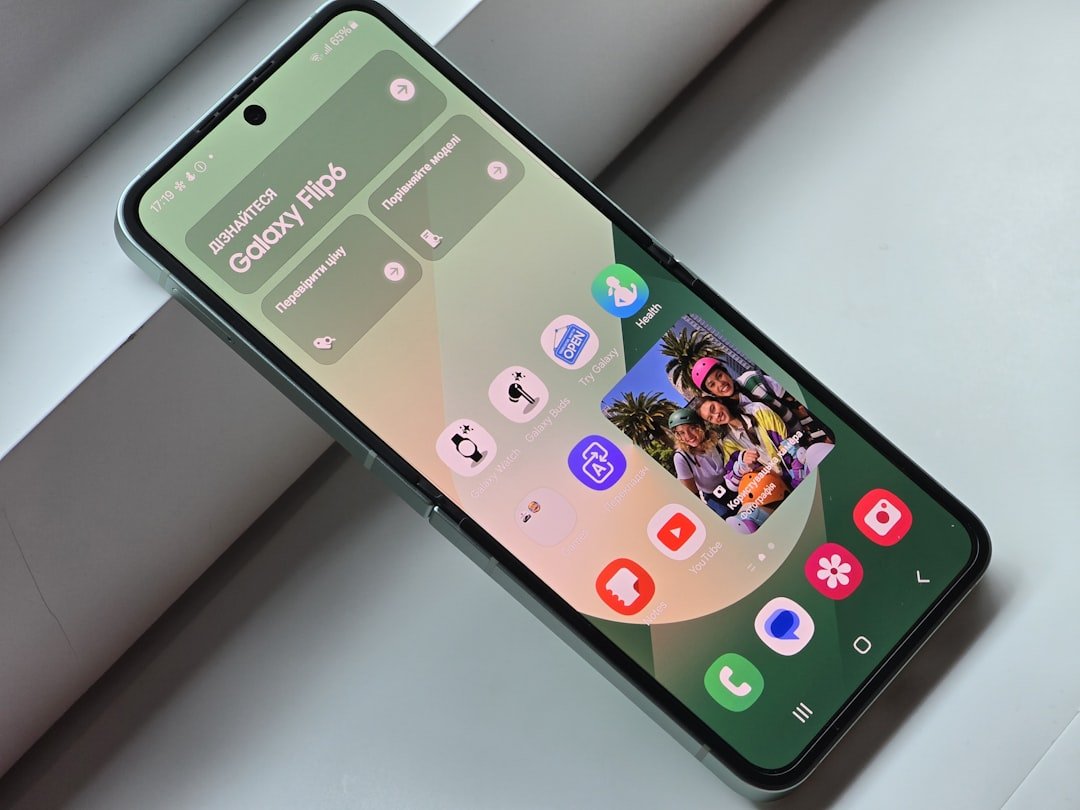
Motorola’s Razr Fold, launching May 21 at $1,900 (512GB), challenges Samsung’s Galaxy Z Fold 7 ($2,000 for 256GB), both book-style foldables masquerading as mini-laptops Motorola Razr Fold vs. Samsung Galaxy Z Fold 7. Samsung’s 4.2mm open/8.9mm closed profile edges Motorola’s 4.6mm/9.9mm, but Razr’s 6,000-6,200 nit brightness trounces Z Fold 7’s 2,600 nits.
Displays are neck-and-neck: Razr’s 6.6-inch cover (165Hz) and 8.1-inch inner (120Hz) vs. Z Fold 7’s 6.5/8-inch (both 120Hz). For enterprise, foldables enable multitasking—split-screen cloud apps, secure VPNs— with Samsung’s DeX approximating desktop mode. Razr’s fashion-forward vegan leather differentiates in exec mobility.
Implications? Foldables hit 15M units in 2025 (IDC), but creases and $2K prices limit enterprise penetration. Motorola’s Verizon/T-Mobile push undercuts Samsung’s carrier lock-in, fostering competition that drives durability (IP48 vs. IPX8). Future-proofing via LTPO OLEDs supports always-on displays for mDL glances.
Enterprise Horizons: Cloud, Security, and Samsung’s Integrated Play
These threads—mDLs, promos, foldables—weave Samsung’s enterprise bet. Wallet expansions leverage Azure/AWS for backend syncs, enabling FIDO2-compliant auth in Microsoft Entra ecosystems. Foldables + wallets? Secure, always-available IDs for field sales, integrated with Knox Vault for e-signatures.
Competition sharpens: Motorola erodes Samsung’s 60% foldable share, while California’s pilot invites AWS/GCP rivals. Promotions juice installed base for recurring cloud services like Samsung Cloud storage.
As digital IDs proliferate, breaches like Optus 2022 (10M records) loom, demanding quantum-resistant crypto. Samsung’s multi-pronged assault positions it as the glue for consumer-to-enterprise transitions, but regulatory scrutiny on data silos could reshape alliances.
Government pioneers like California are redefining identity as a service, with Samsung’s hardware incentives accelerating the pivot. Foldables extend this mobility, promising resilient computing in an AI-driven edge era. Will ecosystem fragmentation stall progress, or catalyze open standards? The race to embed trust in pockets everywhere has only begun, with cybersecurity as the ultimate gatekeeper.