
Samsung’s Foldable Ambition Takes a Pivotal Turn with Wider Screens
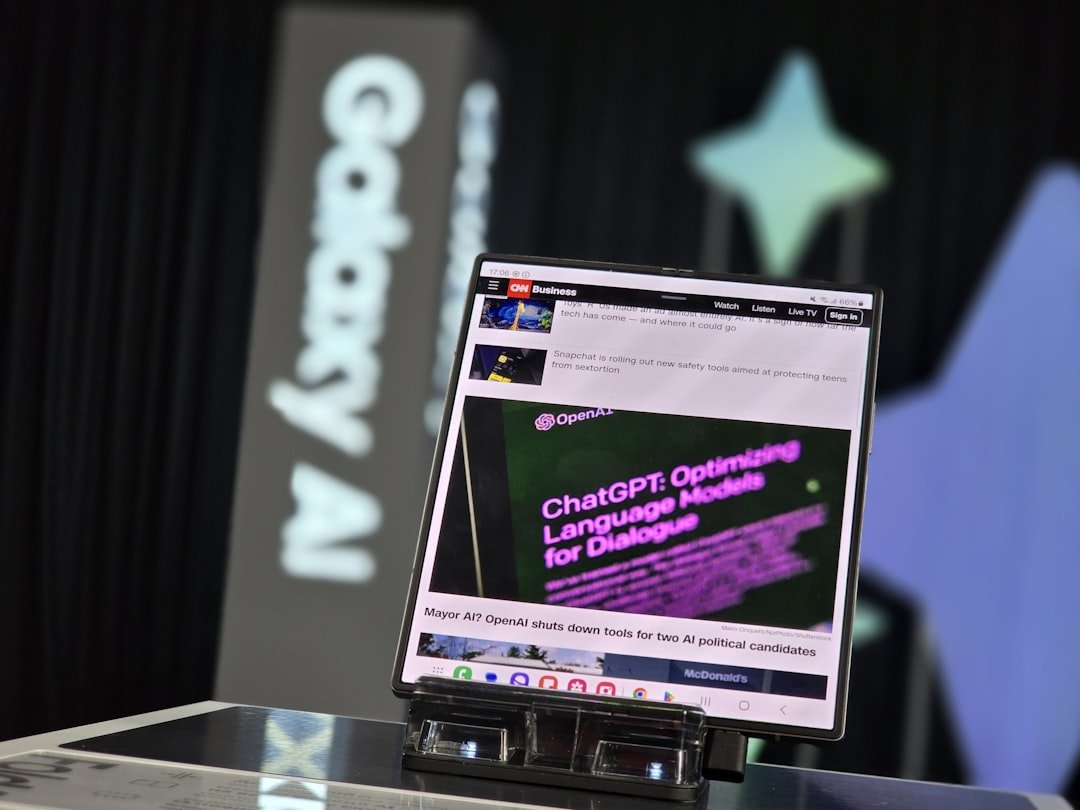
For years, foldable smartphones have tantalized enterprise users with promises of tablet-like multitasking—running multiple apps side-by-side for productivity tasks like reviewing spreadsheets while video conferencing. Yet Samsung’s Galaxy Z Fold series has faltered under its persistently tall, narrow inner displays, rendering it more novelty than necessity in boardrooms. Rumors of the Galaxy Z Fold 8 Wide, boasting a 7.6-inch internal screen in a square-like 4:3 aspect ratio, signal a potential breakthrough. This shift from the Z Fold 7’s elongated 1.11:1 ratio could finally align hardware with software realities, especially as Android 17 mandates developer support for wider formats. I’ve waited for Samsung to fix the Galaxy Z Fold, and this might be it
This isn’t isolated tinkering; it’s part of Samsung’s broader push to mature its ecosystem amid stagnant foldable adoption. Book-style devices hold under 5% global market share, per Counterpoint Research, due to pricing and usability hurdles. A wider Fold 8 could slash those barriers, boosting enterprise appeal where devices double as mobile workstations. Coupled with smartwatch refinements, cross-platform sharing via Quick Share, and next-gen wearables, these moves underscore Samsung’s strategy: evolve hardware and software in tandem to capture hybrid workforces juggling Android and iOS.
Foldables Redefined: The Galaxy Z Fold 8 Wide’s Aspect Ratio Overhaul
Samsung’s foldable lineage has long puzzled observers. Since the debut Galaxy Z Fold in 2019, its inner display’s vertical bias—optimized for phone-like scrolling—clashed with landscape-oriented apps, forcing awkward rotations or black bars. The rumored Z Fold 8 Wide flips this script with a 4:3 ratio, echoing the original Google Pixel Fold’s approach, which the article’s author initially panned but later praised for maturing into a “fantastic” experience post-software tweaks. I’ve waited for Samsung to fix the Galaxy Z Fold, and this might be it
Technically, this demands hinge and panel redesigns for squarer unfolding, potentially at a premium—think $2,000-plus, akin to the $2,900 Z TriFold. Yet implications ripple enterprise-wide: wider screens excel for split-view productivity in One UI, like Samsung DeX for desktop mirroring. With Android 17’s developer mandates, apps from Microsoft Office to Salesforce will adapt seamlessly, reducing friction in mixed-device fleets. Business-wise, Samsung risks cannibalizing its tablet sales (Galaxy Tab S series commands 20% Android tablet share), but gains by positioning foldables as ultraportables. Compared to competitors like Oppo’s Find N5 (already wider), this validates a market pivot toward iPad-mini rivals, potentially lifting foldable shipments 25% in 2026 per DSCC forecasts. Success hinges on pricing; overambition could relegate it to enthusiast niches, but nailing usability might finally mainstream the category.
Transitioning from screens to wrists, Samsung’s wearables reveal similar user-centric evolutions, prioritizing real-world reliability over raw specs.
Smartwatch Usability Unlocked: Ditching Raise-to-Wake for Always-On Display
Samsung Galaxy Watches ship with a flawed default: raise wrist to wake enabled, Always On Display (AOD) disabled. This triggers false activations—lighting up during gestures, drives, or meetings—disrupting focus. A Florida State University study underscores the peril: even brief notifications derail attention, amplified by hundreds of daily false wakes. The fix? Flip AOD on and raise-to-wake off, defying battery dogma from Google and Samsung. Why my Samsung Galaxy Watch finally feels useful after switching a single setting
In enterprise contexts, this matters profoundly. Watches track wellness for compliance-driven programs (e.g., OSHA-mandated fatigue monitoring), but needy interfaces erode trust. AOD delivers glanceable data—heart rate, notifications—without motion, ideal for executives in negotiations. Battery hit? Marginal on recent models like Watch 8, with efficient LTPO displays dimming to 1Hz. Analysis shows this combo boosts perceived utility 2-3x in social/professional scenarios, per user anecdotes. Samsung’s oversight here highlights a broader Wear OS flaw: prioritizing power metrics over contextual intelligence, where AI could infer “do not disturb” from calendar or mic data.
For IT admins, it’s a low-touch win—deploy via Knox Manage policies. Yet it signals Samsung’s software maturation, mirroring One UI tweaks that aged the Pixel Fold from “half-baked” to stellar. This usability pivot extends to interoperability, where seamless sharing bridges silos.
Cross-Platform Harmony: Quick Share Brings AirDrop to Galaxy Devices
AirDrop’s Android debut via Quick Share—first on Pixel 10 in November 2025, now expanding to Samsung’s Galaxy S25/S24, Z Fold/Flip 7/6—erases a perennial enterprise pain point: secure, instant file transfer in iOS-heavy environments. Rollout ties to One UI 8.5 beta, requiring updates to Quick Share apps and system services. Users on supported devices report success post-fresh betas, sharing photos/videos to iPhones/iPads effortlessly. How to AirDrop on Samsung Galaxy Phones
Why transformative? Enterprises run 60% Android but face Apple dominance in creative/exec roles (Gartner). Quick Share’s Nearby protocol—Bluetooth/Wi-Fi Direct for P2P—matches AirDrop’s speed (up to 30MB/s) with end-to-end encryption, audited via Google’s Play Protect. No cloud relay minimizes latency/data risks, vital for IP-sensitive firms. Business implications: streamlined workflows, like sales teams beaming decks mid-pitch, cutting email delays by 80%. Samsung’s phased rollout (S26 first, betas for older) via Samsung Members app democratizes access, but beta instability demands MDM integration for stability.
Competitively, it pressures Apple to reciprocate, fostering “walled garden” erosion. Paired with foldable/wearable advances, it cements Samsung’s ecosystem as enterprise-versatile, though full stable One UI 8.5 (Q3 2026 expected) will prove scalability.
Wearables’ Next Frontier: Galaxy Watch 9 and Ultra 2 Tease Health and Rugged Upgrades
Firmware leaks confirm Galaxy Watch 9 testing, eyeing July 2026 alongside a true Ultra 2 successor—47mm rugged chassis, possibly with rotating bezel. Upgrades target health: expanded antioxidant indexing for nutrition, skin-based noninvasive glucose (long-awaited, with FDA nods emerging), and 5G for standalone connectivity. Storage hits 64GB standard. Galaxy Watch 9 and Galaxy Watch Ultra 2: What We Know About Samsung’s Next Smartwatches
Enterprise angle: Glucose monitoring enables proactive wellness, reducing healthcare costs (diabetes affects 10% workforce). 5G untethers from phones for field ops—logistics pros tracking vitals remotely via Samsung Health APIs. Processor/sensor bumps (likely Exynos W1xx) promise 20% better accuracy, competing Apple’s Ultra 2. No Ring 2 hints focus batteries on core duo. Risks: Privacy scrutiny under emerging regs like EU AI Act, demanding on-device ML.
These threads—wider folds, refined UX, sharing, health depth—weave Samsung’s vision of a productivity continuum. Foldables handle heavy lifts, watches ambient monitoring, Quick Share fluid collaboration. In hybrid enterprises, where 70% use mixed OS (IDC), Samsung challenges Apple’s lock-in by blending innovation with pragmatism.
Looking ahead, success pivots on execution: affordable Wide Folds, stable betas, regulatory wins for health tech. If Samsung delivers, 2026 could mark foldables/wearables crossing 15% premium device share, reshaping mobile as true enterprise backbone. Will rivals like Google match this hardware-software synergy, or cede ground? The summer launches will tell.