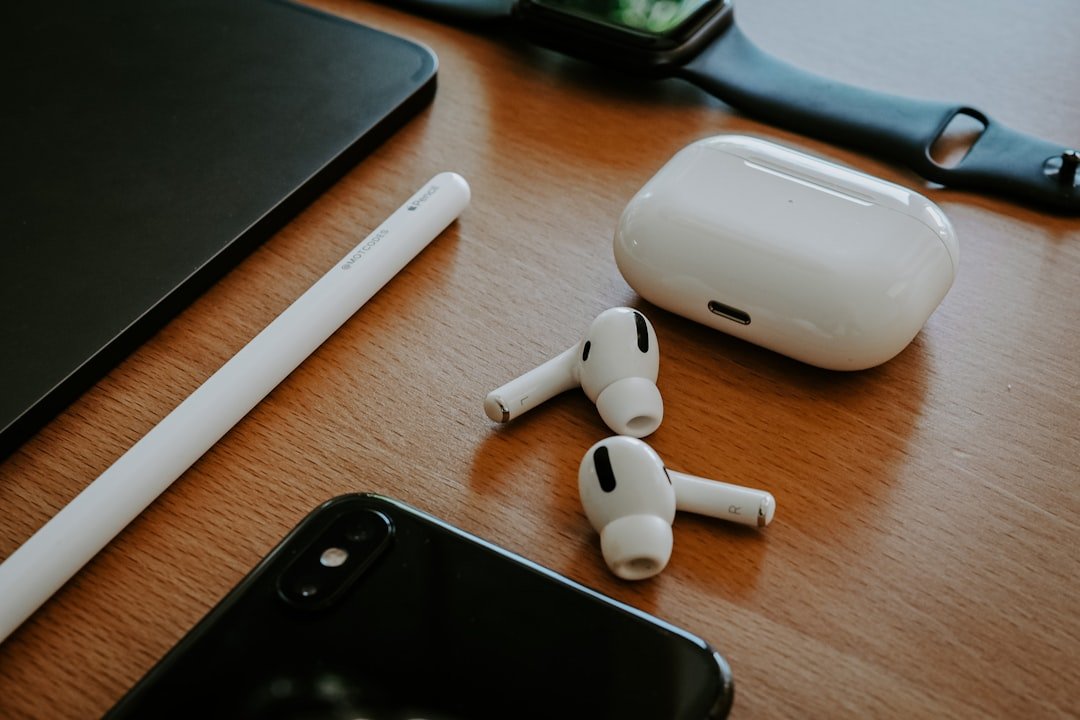

Apple’s Leadership Pivot: Cook Steps Aside for Hardware Visionary Ternus
On April 20, 2026, Apple Inc. unveiled a meticulously planned executive transition that marks the end of Tim Cook’s 15-year reign as CEO and ushers in John Ternus as his successor, effective September 1. This shift, unanimously approved by Apple’s board, positions the 50-year-old hardware engineering leader at the helm of a company whose market capitalization has ballooned to $4 trillion under Cook’s stewardship. Retaining Cook as executive chairman ensures continuity in global policymaking and strategic guidance, mirroring transitions at Amazon and Netflix where founders like Jeff Bezos stepped back while staying influential.
The move arrives at a pivotal juncture for Apple, amid intensifying competition in artificial intelligence, geopolitical supply chain strains, and maturing hardware cycles. Ternus inherits a behemoth that dominates consumer devices but trails peers like Microsoft and Google in generative AI infrastructure. With Cook’s operational mastery yielding over 1,000% market cap growth and revenue quadrupling to $416 billion in fiscal 2025, the question looms: Can Ternus blend engineering prowess with visionary product strategy to propel Apple into an AI-dominated era? This transition not only tests Apple’s internal talent pipeline but also signals a hardware-centric focus as the industry grapples with on-device AI and silicon innovation.
Cook’s Operational Mastery: From $350 Billion to Trillion-Dollar Empire
Tim Cook’s tenure transformed Apple from a $350 billion innovator into a $4 trillion juggernaut, leveraging Steve Jobs’ iPhone foundation to fuel unprecedented growth. Since assuming CEO duties in 2011—mere weeks before Jobs’ death—Cook oversaw the launch of category-defining products like Apple Watch, AirPods, and Vision Pro, alongside services expansion from $3 billion quarterly to $30 billion by late 2025 Apple’s official announcement. Revenue surged from $108 billion in fiscal 2011 to over $416 billion in 2025, with services now comprising a quarter of sales, locking users into Apple’s ecosystem via iCloud, Apple Pay, and Apple Music Al Jazeera coverage.
Cook’s genius lay in supply chain orchestration, diversifying manufacturing amid tariffs and pandemic disruptions while deepening ties to China—where Apple commands 22% smartphone share despite scrutiny over Uyghur labor allegations WIRED analysis. Critics noted his operational focus overshadowed Jobs’ product flair, evident in Vision Pro’s tepid reception and the canceled self-driving car project. Yet, this steadiness delivered 2.5 billion active devices worldwide, proving execution trumps ideation in enterprise-scale tech.
For the industry, Cook’s blueprint underscores how supply chain resilience and services monetization sustain hardware giants. As peers pour billions into AI data centers, Apple’s $74.6 million compensated leader exits with a net worth near $3 billion, leaving a template for scaling without founder charisma CNBC on compensation. His chairman role, emphasizing policymaker engagement, shields Ternus from regulatory battles over App Store antitrust and privacy.
Ternus Emerges: The Engineer-Turned-CEO with 25 Years of Silicon Savvy
John Ternus, Apple’s senior vice president of Hardware Engineering since 2021, steps into the CEO spotlight after two decades shaping the company’s silicon and product DNA. A University of Pennsylvania mechanical engineering graduate, Ternus joined in 2001, rising through roles that birthed iPad, AirPods, and generations of iPhone, Mac, and Watch hardware Apple press release. Cook lauded him as possessing “the mind of an engineer, the soul of an innovator, and the heart to lead with integrity,” crediting his “visionary” 25-year impact PBS report.
Ternus’s track record emphasizes durability, materials innovation—like recycled aluminum—and Apple’s shift to in-house M-series chips, enabling on-device AI via Neural Engines integrated since 2017 Fox Business profile. Unlike Cook’s supply chain focus, Ternus’s hardware lens positions him to accelerate edge computing, where AI workloads run locally on Apple silicon, sidestepping cloud capex rivals like Microsoft commit to annually.
Industry implications are profound: Promoting an internal engineer signals Apple’s bet on hardware-software integration over flashy AI moonshots. In a market where ChatGPT and Claude top iOS apps, Ternus must evolve Siri via Google’s Gemini while pushing Apple Intelligence features like notification summaries and image generation CNBC on AI challenges. His youth—50 versus Cook’s 65—hints at longevity, but success hinges on translating bench-tested innovations to trillion-dollar scale.
Srouji’s Elevation: Consolidating Hardware Power Under One Roof
Complementing Ternus’s ascent, Johny Srouji’s immediate promotion to Chief Hardware Officer merges Hardware Engineering and Technologies into a unified powerhouse. Previously SVP of Hardware Technologies, Srouji— who joined in 2008 to pioneer the A4 chip—now oversees Apple silicon, batteries, cameras, modems, and displays across all products Apple Srouji announcement. Cook called him “one of the most talented people I have ever… worked with,” pivotal in industry-shaping silicon like M-series that power on-device ML.
This restructuring streamlines Apple’s hardware org, which designs, tests, and integrates products with software and operations. Srouji’s Intel/IBM pedigree and Technion degrees bolster custom SoC development, countering memory shortages from AI demand and Qualcomm modem dependencies. Ternus praised their partnership, signaling seamless continuity [Apple press release].
For enterprise tech, this fortifies Apple’s moat in edge AI, where low-latency inference on-device trumps cloud latency. As competitors like Qualcomm push AI PCs, Srouji’s team could pioneer next-gen modems and sensors for AR glasses or foldables, per analyst speculation [Fox Business reactions]. Business-wise, it mitigates geopolitical risks by advancing U.S.-based fabrication via TSMC partnerships, ensuring supply amid tariffs.
AI Imperative: Ternus’s First Major Test in a Hyper-Competitive Arena
Ternus confronts Apple’s AI lag head-on, where peers have surged ahead with massive capex. Apple Intelligence’s 2024 debut—featuring ChatGPT integration and on-device tools—drew mixed reviews, with third-party apps like Gemini dominating iOS charts CNBC AI strategy. Delays in Siri upgrades underscore reliance on Google’s Gemini, avoiding foundational model builds that Microsoft and Meta fund with hundreds of billions yearly.
Hardware roots position Ternus advantageously: Apple silicon’s Neural Engines enable efficient on-device processing, ideal for privacy-focused AI. Yet, supply strains from AI chip demand inflate memory costs, complicating iPhone cycles WIRED legacy. Wedbush’s Dan Ives views the timing as “a surprise” amid AI pivots, questioning if Ternus can fill “big shoes” Fox Business analyst views.
Implications ripple across cloud computing: Apple’s device-centric model challenges hyperscalers’ data center dominance, potentially shifting enterprise AI to edge deployments. Success could redefine cybersecurity via private inference, but failure risks ceding ground in a $4 trillion market.
Wall Street and Industry Echoes: Optimism Tempered by Uncertainty
Reactions blend praise for Cook with scrutiny on Ternus. Sam Altman hailed Cook as a “legend,” while Jim Cramer called the news “stunning” Fox Business roundup. Six Colors’ Jason Snell noted the “thoughtful” five-month handover, contrasting Jobs’ abrupt exit, allowing Ternus mentorship Six Colors insights.
Analysts like D.A. Davidson’s Gil Luria predict hardware emphasis on foldables and VR. Shares held steady post-announcement, reflecting trust in the pipeline. Yet, AI skepticism persists, with Apple perceived as sidelined.
This consensus underscores enterprise tech’s premium on stability: Internal promotions minimize disruption, but execution in AI will dictate valuation multiples.
Apple’s pivot from Cook’s era of flawless operations to Ternus’s engineering-driven future recalibrates a tech titan for an AI-infused landscape. By elevating hardware expertise amid cloud rivals’ capex arms race, Apple doubles down on its silicon edge, potentially pioneering privacy-preserving, on-device intelligence that reshapes enterprise mobility and cybersecurity. Cook’s lingering influence on policy navigation buys time, but Ternus must deliver breakthroughs—perhaps in AR or next-gen silicon—to sustain $4 trillion dominance.
As geopolitical tensions and AI memory crunches intensify, Ternus’s tenure will probe whether hardware mastery alone suffices in software-defined eras. The board’s unanimous nod and market poise suggest confidence, yet the true verdict lies in products that not only sell but redefine interaction. Will Ternus forge the post-iPhone revolution, or merely steward Cook’s inheritance? The silicon foundries of Cupertino hold the answer.
*(Word count: 1,428)*