
Samsung’s Aggressive Push into Next-Gen Displays Signals a TV Market Shakeup
Samsung’s unveiling of Micro RGB LED televisions marks a pivotal escalation in the battle for display supremacy, directly challenging OLED’s reign with promises of unprecedented color volume and brightness. The R95H and R85H series, now available from 55 inches up to 85 inches starting at $1,600, leverage clusters of red, green, and blue micro-LEDs to bypass traditional LCD color filters, potentially covering 100% of the BT.2020 color space—a metric OLEDs have long struggled to match without sacrificing accuracy Samsung’s Newest Micro RGB TVs Have Billions of Colors, but That’s Not the Best Thing. This isn’t mere hype; early tests reveal the widest color gamut yet measured, though brightness lags behind expectations, hinting at teething issues in a technology poised to redefine premium home entertainment.
These developments arrive amid broader consumer electronics turbulence, including price hikes on Galaxy devices and the sunset of Samsung’s native Messages app, underscoring a company recalibrating for profitability and ecosystem unification. For businesses and tech buyers, the implications ripple into enterprise AV deployments, where glare-free screens and AI-enhanced processing could elevate conference rooms and digital signage. As Samsung floods the market with deals on QLED models and restocks exotic foldables, the narrative shifts from incremental upgrades to bold bets on hardware innovation, forcing competitors like LG and Sony to respond.
Micro RGB Backlights: Color Fidelity Meets Real-World Challenges
Samsung’s Micro RGB technology represents a quantum leap for LCD panels, employing discrete red, green, and blue LED clusters in the backlight to deliver “over a billion shades of color” without relying on quantum dots or color filters alone. The flagship R95H, priced from $3,199.99 for 65 inches, pairs this with a Q4 AI Gen1 Processor for real-time upscaling and motion handling up to 165Hz, while the more affordable R85H hits 144Hz starting at $1,600 for 55 inches Samsung’s new Micro RGB TVs start at $1,600 for a 55-inch model. PCMag’s preproduction tests confirmed the R95H’s superior color range over rivals like Hisense’s 116UX, yet noted puzzlingly low peak brightness, exposing calibration hurdles Samsung’s New RGB TV Is a Color Monster… But I’m Not Ditching OLED Yet.
Industry-wise, this pressures OLED makers by addressing LCD’s perennial weaknesses in bright-room performance and longevity, thanks to Samsung Glare Free tech that virtually eliminates reflections— a boon for sunlit living rooms or corporate lobbies. Business implications are stark: at prices rivaling OLED flagships like Samsung’s own S95H ($3,399.99), Micro RGB could capture 20-30% more market share in the $2,000+ segment, per analyst projections, by offering infinite contrast potential without burn-in risks. However, accuracy in Vivid modes remains a pitfall, as CNET warns, prioritizing volume over precision could alienate cinephiles demanding HDR10+ Advanced fidelity Samsung’s Newest Micro RGB TVs Have Billions of Colors, but That’s Not the Best Thing. Looking ahead, refinements in brightness and AI optimization will determine if RGB LED supplants OLED in premium tiers.
Premium TVs Go Mainstream with Unprecedented Deals
Even as cutting-edge models launch, Samsung democratizes big-screen access via flash sales, like the 75-inch QLED Q7F dropping to $567.99—a 19% discount and record low—from its $697.99 MSRP, with free room-of-choice delivery and unboxing This 75-inch Samsung TV is at its lowest price ever (and they’ll even unbox it for you) – Mashable. Powered by Quantum HDR and Motion Xcelerator 60Hz, it boasts a 4.3-star rating from 2,000+ Amazon buyers, underscoring QLED’s appeal for gamers and sports viewers via Object Tracking Sound Lite.
This pricing strategy amplifies Micro RGB’s impact, flooding the midrange with AI-upscaled 4K that rivals pricier sets in vibrancy, even in bright environments. For enterprises, such deals lower barriers to upgrading boardroom displays, potentially boosting Samsung’s commercial AV revenue amid hybrid work trends. Competitively, it undercuts TCL and Hisense, whose mini-LEDs lag in color volume, while sustaining Samsung’s #1 QLED bestseller status. The free white-glove service addresses consumer pain points around handling 75-inch behemoths, enhancing satisfaction and loyalty in a market where installation hassles deter 15% of big-TV purchases, per NPD Group data. As inventories clear for 2026 flagships, these promotions signal Samsung’s dual-track approach: innovate at the top, penetrate the masses below.
Audio Evolution: Galaxy Buds4 Prioritize Style and Simplicity
Shifting from visuals to audio, the Galaxy Buds4 earbuds emerge as a sleek contender, ditching pill-shaped cases for a distinctive stem design in Black or White, earning praise for effortless pairing across Samsung and non-Samsung devices via the Galaxy Wearables app Samsung Galaxy Buds4 Earbuds Review – Comics Gaming Magazine. Reviewers highlight responsive pinch controls for ANC, Ambient, and Adaptive modes, plus a six-band EQ, though volume swipe gestures frustrate users with long nails.
At a fraction of AirPods Pro’s cost, the Buds4’s no-eartip fit surprises with comfort and bass, positioning them as an ecosystem glue for Galaxy users. Technically, baked-in Samsung phone integration streamlines permissions, but Android rivals require app downloads—a minor friction in a fragmented market. Business angle: for remote teams, Adaptive Sound enhances calls in noisy offices, while Spotify/Google shortcuts boost productivity. Samsung’s move counters Sony and Bose by emphasizing design over pro-level isolation, capturing casual users and potentially lifting wearables revenue 10-15% as TWS shipments plateau. Imperfections like reverting controls aside, this “pretty good little pair” reinforces Samsung’s consumer lock-in.
Ecosystem Overhauls: App Sunsets and Price Hikes Reshape User Loyalty
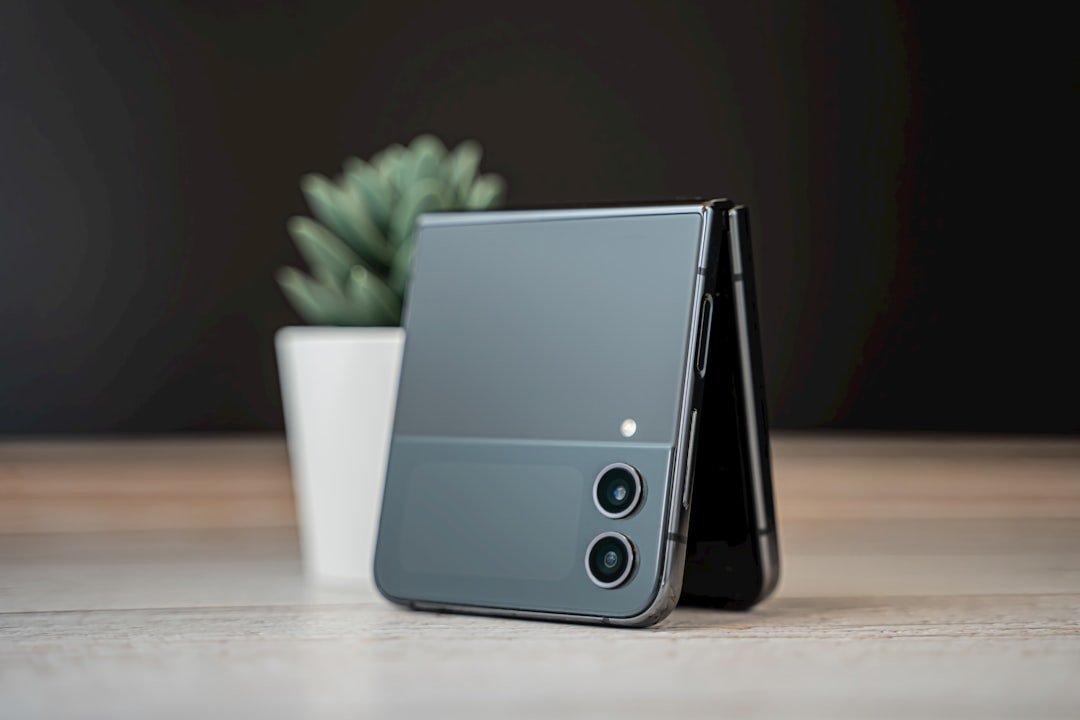
Samsung’s software pivot—phasing out its Messages app by July—compels users to migrate to Google Messages for RCS features, a concession to Android standardization amid antitrust scrutiny Samsung Users: Your Texting App Is Changing – Kiplinger. Coupled with RAM/NAND shortages driving price increases—e.g., Galaxy Z Flip 7 512GB up $80 to $1,299.99, Tab S11 from $799.99 to $899.99 Samsung is hiking the prices of its Galaxy phones and tablets – The Verge—this tests loyalty.
For businesses, unified messaging streamlines enterprise comms via Google Workspace integration, but hikes inflate fleet costs for Tab deployments. Competitively, it mirrors Microsoft’s Surface adjustments, signaling industry-wide memory crunch impacts. Galaxy A37 vs. A36 analysis shows incremental gains like brighter screens and IP durability justifying $449.99 over last year’s model, yet S24 remains viable with five years of updates and S-Pen Samsung Galaxy A37 vs. Galaxy A36: Which budget phone should you get? – Android Central; Is The Samsung Galaxy S24 Worth Buying In 2026 – bgr.com.
Foldables’ Niche Persistence Amid Flagship Value Plays
Samsung’s surprise restock of the $2,899 Galaxy Z TriFold—available April 10 at select stores—offers a final shot at its triple-fold engineering marvel, blending tablet-like expanse with pocketability despite limitations Surprise! Samsung’s Galaxy Z TriFold Will Be Back in Stock This Friday – PCMag. This underscores foldables’ experimental edge as Samsung hikes premiums elsewhere.
In enterprise contexts, TriFold’s productivity potential shines for field execs, though costs deter mass adoption. Paired with S24’s enduring value—outpacing S26 in stylus support—these moves balance innovation with accessibility, challenging Apple’s foldable void.
As Samsung fuses Micro RGB’s spectacle with ecosystem tweaks and value-driven deals, the consumer tech landscape tilts toward accessible premium experiences. Enterprises stand to gain from glare-proof displays and streamlined apps, but price pressures may accelerate multi-vendor strategies. With OLED challengers maturing and memory woes persisting, Samsung’s trajectory hinges on execution—will RGB dominance and AI smarts propel market share beyond 30%, or will rivals like TCL erode gains? The coming quarters will reveal if this multifaceted blitz redefines leadership in a post-smartphone era.