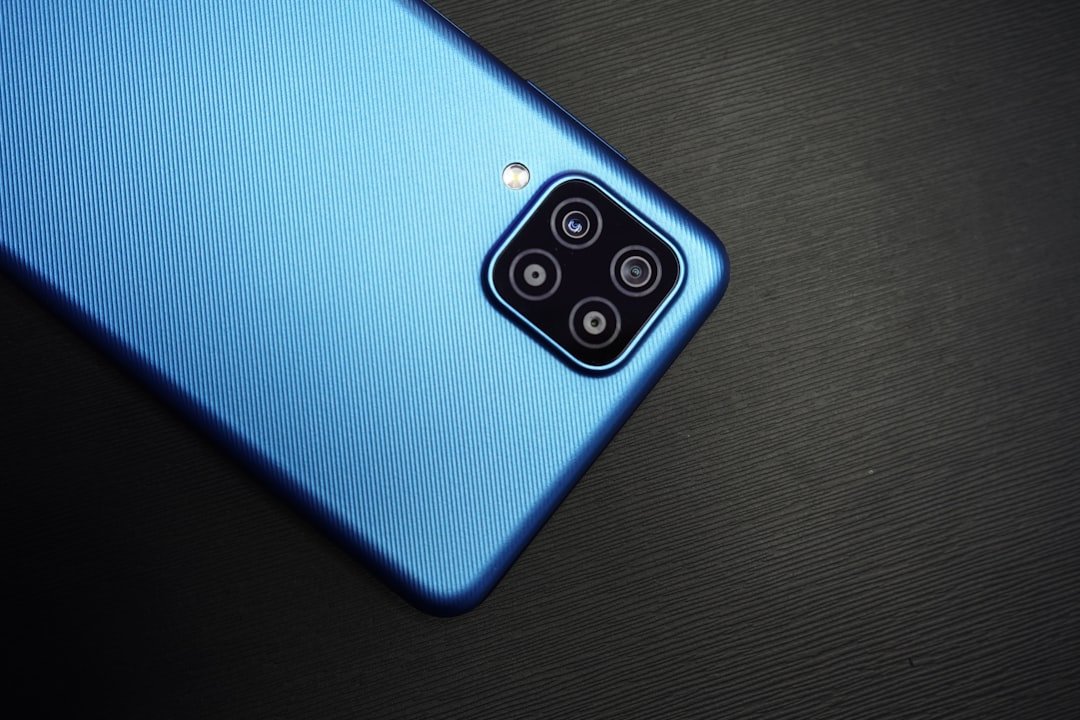
The tech world is abuzz with two significant developments from Samsung, the South Korean electronics giant. First, the company is offering a last chance to purchase its pricey Galaxy Z TriFold smartphone, a unique foldable device that was discontinued just three months after its release. Meanwhile, Samsung has forecasted a record profit, largely driven by the booming artificial intelligence (AI) market. These two events may seem unrelated at first glance, but they reveal a deeper story about Samsung’s strategic priorities and the evolving landscape of the tech industry.
The Galaxy Z TriFold, priced at a staggering $2,900, is a testament to Samsung’s innovative spirit and willingness to experiment with new form factors. Although the device received positive reviews for its balance of size and heft, its high price tag and limited availability suggest that it was never intended for mass market appeal. As reported by Engadget, the final shipment of the Galaxy Z TriFold is set to arrive in the US on April 10, giving enthusiasts one last opportunity to get their hands on this exclusive device.
The decision to discontinue the Galaxy Z TriFold raises questions about Samsung’s strategy in the smartphone market. With the rise of AI-powered devices and increasing competition from Chinese manufacturers, Samsung must navigate a complex landscape to maintain its market share. The company’s focus on AI, as evident from its record profit forecast, suggests that it is prioritizing emerging technologies over niche products like the Galaxy Z TriFold. As Financial Times notes, Samsung’s profit forecast is a significant indicator of the company’s confidence in its AI capabilities and its ability to capitalize on the growing demand for AI-powered devices.
The Rise of AI in the Tech Industry
The AI boom is transforming the tech industry, with companies like Samsung, Google, and Amazon investing heavily in AI research and development. Samsung’s record profit forecast is a testament to the growing demand for AI-powered devices, from smartphones to smart home appliances. As AI technology advances, we can expect to see more sophisticated applications in various industries, from healthcare to finance. The implications of this trend are far-reaching, with potential benefits including improved efficiency, enhanced customer experience, and new revenue streams.
Samsung’s Strategic Priorities
Samsung’s decision to discontinue the Galaxy Z TriFold and focus on AI suggests that the company is prioritizing emerging technologies over niche products. This strategic shift is likely driven by the need to stay competitive in a rapidly evolving market. As Android Police reported, the Galaxy Z TriFold was a unique device that appealed to a specific segment of the market. However, its high price tag and limited availability made it a challenging sell for Samsung. By focusing on AI, the company can tap into a broader market and capitalize on the growing demand for AI-powered devices.
The Future of Foldable Devices
The demise of the Galaxy Z TriFold raises questions about the future of foldable devices. While Samsung’s experiment with the Galaxy Z TriFold was short-lived, other manufacturers, such as Huawei and Xiaomi, are still exploring the potential of foldable technology. As Engadget notes, the development of foldable devices is an ongoing process, with manufacturers working to overcome technical challenges and improve user experience. The future of foldable devices remains uncertain, but one thing is clear: manufacturers must balance innovation with market demand and affordability.
Competitive Landscape
The tech industry is becoming increasingly competitive, with companies like Huawei, Xiaomi, and Oppo challenging Samsung’s dominance in the smartphone market. The rise of AI has created new opportunities for companies to differentiate themselves and capture market share. As Financial Times reports, Samsung’s record profit forecast is a significant indicator of the company’s confidence in its AI capabilities. However, the company must continue to innovate and invest in emerging technologies to stay ahead of the competition.
Implications for the Industry
The developments at Samsung have significant implications for the tech industry as a whole. The rise of AI is transforming the industry, creating new opportunities and challenges for manufacturers. The demise of the Galaxy Z TriFold serves as a reminder that innovation must be balanced with market demand and affordability. As the industry continues to evolve, we can expect to see more emphasis on emerging technologies like AI, 5G, and the Internet of Things (IoT). The question is, how will manufacturers navigate this complex landscape and capitalize on the growing demand for AI-powered devices?
The future of the tech industry is uncertain, but one thing is clear: AI will play a significant role in shaping the industry’s trajectory. As Samsung and other manufacturers continue to invest in AI research and development, we can expect to see more sophisticated applications of AI in various industries. The implications of this trend are far-reaching, with potential benefits including improved efficiency, enhanced customer experience, and new revenue streams. As we look to the future, the question is, what’s next for the tech industry, and how will manufacturers capitalize on the growing demand for AI-powered devices? The answer will depend on their ability to innovate, adapt, and stay ahead of the competition.
Leave a Reply