
Apple’s Retail Retreat: Closures Highlight Evolving Footprint in a Digital-First Era
As Apple shutters its North County Mall store in Escondido, California, this June—citing the venue’s “declining conditions” and exodus of other retailers—the tech giant underscores a pivotal shift in its physical retail strategy Apple plans North County store closure due to mall issues. Employees will transfer to nearby locations, preserving jobs amid four remaining San Diego County stores, but this marks one of three U.S. closures, including sites in Connecticut and Maryland. Local leaders in Trumbull, Connecticut, have urged reconsideration, calling the move “deeply disappointing” for community commerce Trumbull officials push back on Apple store closure.
These decisions reflect broader pressures on enclosed malls, where foot traffic has plummeted post-pandemic, forcing premium brands like Apple to prioritize high-traffic urban or standalone sites. For enterprise tech buyers, who often use Apple Stores for device procurement and training, this could accelerate a pivot toward online configurators and B2B channels. Yet, amid closures, Apple advances aggressively on sustainability and wearables, signaling resilience. These moves illuminate Apple’s recalibration: streamlining retail while doubling down on services, eco-innovation, and ecosystem lock-in to sustain its trillion-dollar valuation.
Mall Malaise Forces Apple’s Hand in Store Closures
Apple’s exit from North County Mall exemplifies a calculated retreat from underperforming retail environments. The Escondido store, embedded in a venue owned by Mershops, joins closures in Trumbull, Connecticut, and an unnamed Maryland site, all slated for June San Diego Apple Store among three nationwide closures. Apple emphasized employee reassignments, mitigating backlash, but the rationale—mall deterioration and retailer departures—mirrors industry trends. U.S. mall vacancy rates hover around 7%, per ICSC data, with luxury anchors like Apple increasingly favoring experiential formats over traditional setups.
From a business standpoint, this trims operational costs: store leases average $50-$100 per square foot annually, per CBRE reports. Apple’s 270+ U.S. stores generated $8.3 billion in revenue last fiscal year, but margins tighten in low-traffic zones. For cybersecurity and enterprise pros, fewer physical touchpoints may heighten reliance on Apple’s Business Manager portal for zero-touch deployments, potentially streamlining IT procurement but risking hands-on support gaps. Competitors like Microsoft prioritize partner ecosystems over owned stores, a model Apple might emulate. Looking ahead, expect consolidations targeting 5-10% of locations, freeing capital for services, which now comprise 22% of revenue.
This pruning dovetails with Apple’s environmental push, where efficiency gains in operations align with planetary goals.
Record Recycled Content Redefines Supply Chain Sustainability
Apple hit a landmark in 2025: 30% of materials across shipped products derived from recycled sources, including 100% recycled cobalt in batteries and rare earths in magnets Apple’s highest-ever recycled materials milestone. Plastic packaging vanished entirely, replaced by curbside-recyclable fiber alternatives. CEO Tim Cook hailed this as proof “ambitious goals can also be powerful engines of innovation,” with Scope 1-3 emissions down 60% from 2015 baselines despite growth.
Technically, cobalt recycling—sourced from spent batteries—slashes mining dependency, where ethical issues plague 70% of global supply per Amnesty International. Rare earths, vital for magnets in iPhones and Macs, face similar geopolitical risks; Apple’s closed-loop system insulates against China-dominated chains. COO Sabih Khan noted collaborations yielding these benchmarks, toward 2030 carbon neutrality.
Industry implications ripple outward: rivals like Samsung (25% recycled content) and Google trail, positioning Apple as sustainability leader. For enterprises, this enhances ESG compliance—vital as 80% of S&P 500 firms now report Scope 3 emissions per CDP. Cost savings from recycling could fund R&D, but scaling demands supplier audits, echoing cybersecurity supply chain mandates post-SolarWinds. As Earth Day promotions offer device recycling incentives, Apple’s model pressures peers, potentially reshaping electronics manufacturing toward circular economies.
These eco-wins contrast with wearables turbulence, where reliability underpins user trust.
Wearables Under Scrutiny: Bugs, Rivals, and Glasses on Horizon
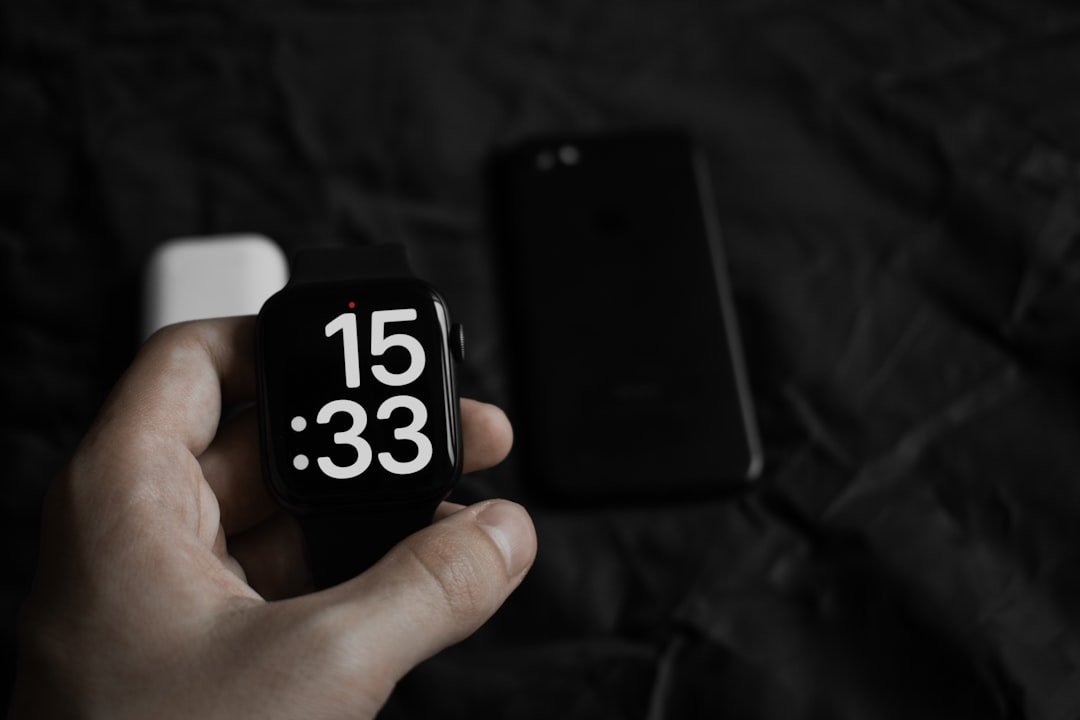
Older Apple Watches grapple with watchOS 8.8.2 woes: app installation failures (even Maps/Weather), crashes, and drain plaguing Series 6/SE models watchOS 8.8.2 triggers major Apple Watch issues. No downgrade path exists, stranding users as Apple Support scrambles. Meanwhile, Whoop MG challenges Apple Watch Series 11 for athletes, offering screenless strain/recovery insights via subscription ($30/month vs. $400 one-time Watch) Apple Watch vs. Whoop: Fitness tracking showdown.
Whoop’s AI-driven coaching edges Apple’s broader features, but integration lags—no native iOS ecosystem. Bugs erode confidence in Apple’s 50% wearables market share (Counterpoint), vital for health data feeding enterprise wellness programs.
Enter Apple Glasses: rumored acetate frames in Wayfarer/slim rectanglar/oval styles, with oval camera pods for visual AI Apple Glasses designs play to iconic strengths. Deep iPhone/Siri ties position them against Meta Ray-Bans, leveraging Apple’s design prowess like AirPods. For IT, AR glasses promise hands-free enterprise tools—think remote diagnostics— but privacy hurdles loom in camera proliferation.
Retail shifts and product hiccups underscore ecosystem dependencies, extending to brand extensions.
Racing Livery and Thrillers: Diversifying Beyond Hardware
Porsche’s 963 LMDh cars don Apple Music colors for Long Beach IMSA (April 18), building on 2019 “built-in” integration in Taycan cockpits Porsche 963 sports Apple Music at Long Beach. VP Thomas Laudenbach praised the “fantastic” design amid Porsche Penske’s title lead, amplifying Apple’s 100-million-track catalog to 200,000+ fans.
Simultaneously, Apple TV+ unveils “Unconditional” trailer: Israeli thriller on mother-daughter Moscow drug saga, starring Liraz Chamami, premiering May 8 Apple TV+ thriller “Unconditional” trailer drops. Eight episodes from Keshet bolster 796 awards, fueling subscriber growth.
These forays—motorsport visibility, premium content—diversify revenue, with Services up 14% YoY. For cloud/enterprise, Apple Music’s integration hints at CarPlay evolutions, while TV+ data informs AI personalization, akin to AWS media stacks.
Apple’s tapestry—from store tweaks to green tech, buggy fixes, and cultural plays—reveals a company fortifying services amid hardware maturity. Retail contractions cede mall real estate battles but fund bets like Glasses, where design icons could redefine AR for pros. Sustainability sets procurement precedents, pressuring supply chains toward resilience against disruptions like chip shortages.
As wearables mature and entertainment scales, Apple’s enterprise pivot intensifies: expect B2B AR/VR tools and carbon-tracking APIs. Will these threads weave a services-dominated future, or test ecosystem cohesion under competitive fire? The June closures may close chapters, but they herald bolder horizons.