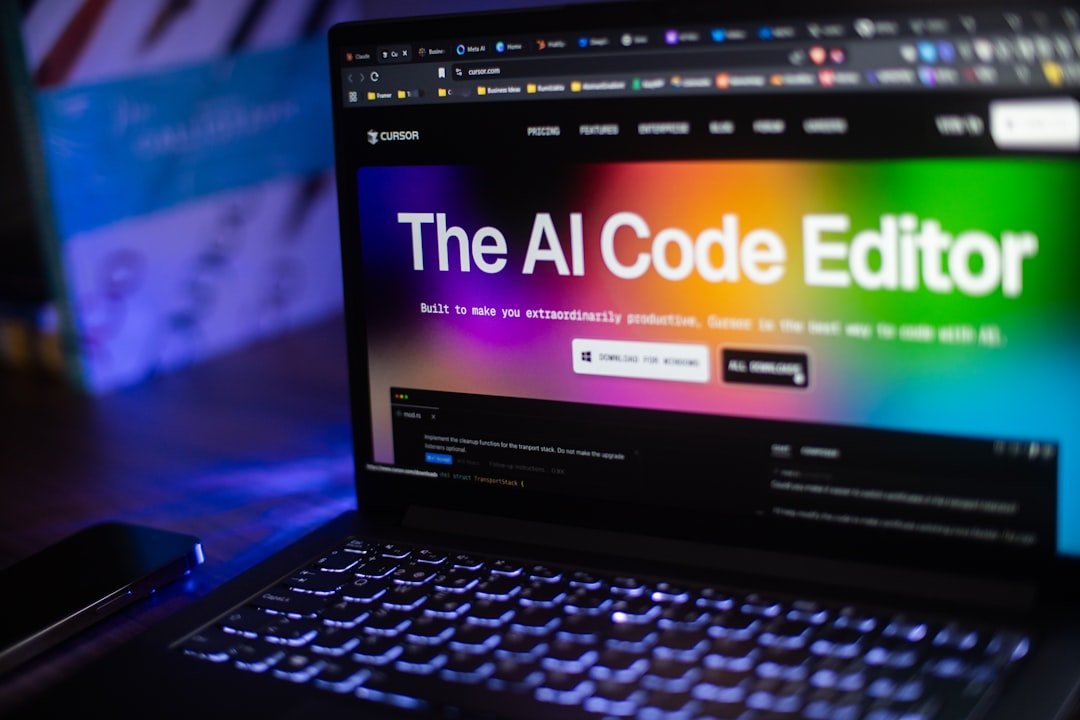
Introduction to the AI Revolution
The field of artificial intelligence (AI) has witnessed significant developments in recent years, transforming the way we approach various aspects of our lives, from healthcare and education to business and technology. A compelling example of this transformation is the upcoming CTSC Insight Summit, which will explore how AI is revolutionizing health outcomes, particularly in the context of chronic diseases The CTSC Insight Summit: Artificial Intelligence and Health Outcomes. This event brings together researchers, clinicians, technologists, policymakers, and community leaders to foster collaboration and share insights on the potential of AI-driven approaches to improve health outcomes.
The growing presence of AI in our daily lives has sparked both excitement and concern. As AI systems become more integrated into our societies, it is essential to consider the implications of these developments on our future. The use of AI in areas such as healthcare, education, and the workforce raises important questions about the potential benefits and drawbacks of this technology. For instance, the use of AI in healthcare can lead to more accurate diagnoses and personalized treatment plans, but it also raises concerns about data privacy and the potential for job displacement.
The rapid advancement of AI has also led to increased investment in AI research and development, with many countries and companies competing to be at the forefront of this technology. The White House has unveiled a framework for AI regulation, which aims to promote the development of AI while ensuring that it is used responsibly and with consideration for its potential impact on society White House Unveils Framework for Artificial Intelligence Regulation. This framework highlights the need for a balanced approach to AI development, one that takes into account both the benefits and the risks associated with this technology.
The Future of Work and AI
The integration of AI into the workforce has significant implications for the future of work. As AI systems become more advanced, they are capable of performing tasks that were previously the exclusive domain of humans. This has raised concerns about job displacement and the need for workers to develop new skills that are complementary to AI. However, AI can also augment human capabilities, leading to increased productivity and efficiency. For example, AI can help with tasks such as data analysis, freeing up human workers to focus on higher-level tasks that require creativity and problem-solving skills.
The use of AI in education is another area that holds great promise. AI can help personalize learning, making it more effective and efficient. AI-powered adaptive learning systems can adjust the difficulty level of course materials based on a student’s performance, providing real-time feedback and guidance. This can be particularly beneficial for students who require extra support or have different learning styles. Additionally, AI can help automate administrative tasks, allowing educators to focus on teaching and mentoring.
AI in Healthcare and Beyond
The application of AI in healthcare is a significant area of research and development. AI can help with diagnosis, treatment, and patient care, leading to better health outcomes and improved quality of life. For instance, AI-powered systems can analyze medical images, such as X-rays and MRIs, to detect abnormalities and diagnose diseases more accurately and quickly than human clinicians. AI can also help with personalized medicine, tailoring treatment plans to individual patients based on their unique genetic profiles and medical histories.
The potential of AI extends beyond healthcare, with applications in areas such as finance, transportation, and energy. AI can help optimize business processes, predict market trends, and improve customer service. In transportation, AI can enhance safety, reduce traffic congestion, and optimize route planning. In energy, AI can help manage energy consumption, predict energy demand, and optimize energy production.
The Ethics of AI Development
As AI becomes more pervasive, there are growing concerns about the ethics of AI development. The use of AI raises important questions about bias, fairness, and transparency. AI systems can perpetuate existing biases and discriminations if they are trained on biased data or designed with a particular worldview. For example, AI-powered facial recognition systems have been shown to have higher error rates for people of color, highlighting the need for more diverse and inclusive training data.
The development of AI also raises questions about accountability and responsibility. As AI systems become more autonomous, it is essential to consider who is responsible when an AI system makes a mistake or causes harm. This requires a nuanced understanding of the complex relationships between AI systems, human operators, and the broader social context in which they operate.
Looking Ahead to the Future of AI
The future of AI holds great promise, but it also presents significant challenges. As AI continues to evolve, it is essential to consider the long-term implications of this technology. The development of AI requires a balanced approach, one that takes into account both the benefits and the risks associated with this technology. By prioritizing transparency, accountability, and ethics, we can ensure that AI is developed and used in ways that benefit society as a whole.
The rapid advancement of AI has also led to increased investment in AI research and development, with many countries and companies competing to be at the forefront of this technology. As AI continues to transform industries and revolutionize the way we live and work, it is essential to consider the broader implications of this technology. By exploring the potential benefits and drawbacks of AI, we can work towards a future where AI is used to augment human capabilities, improve lives, and create a better world for all.
The journey to this future will require careful consideration of the complex relationships between technology, society, and human values. It will demand a nuanced understanding of the potential benefits and drawbacks of AI, as well as a commitment to developing and using this technology in ways that prioritize transparency, accountability, and ethics. By working together to address the challenges and opportunities presented by AI, we can create a future where this technology is used to improve lives, enhance human capabilities, and create a better world for all.
Leave a Reply