
Samsung Ushers in 2026 with Boundary-Pushing Displays and Health Tech
When Samsung’s S95H OLED TV hit peak brightness levels of 2,604 nits on a 10% white field—eclipsing even LG’s G5 at 2,386 nits and Panasonic’s Z95B at 2,015 nits—it didn’t just set a new benchmark for OLED performance; it signaled the South Korean giant’s intent to reclaim dominance in premium displays amid intensifying battles with LG, Sony, and emerging Chinese rivals like TCL. Measured using a Klein K-10 colorimeter and Calman software, this surge addresses OLED’s longstanding Achilles’ heel: brightness in well-lit environments, enabling deeper blacks alongside highlight pops that rival Mini-LED sets Samsung S95H OLED brightness measurements. Simultaneously, the Galaxy Watch’s U.S. rollout of blood pressure monitoring—calibrated via a traditional cuff every 28 days—marks a regulatory milestone, expanding wrist-based vitals into a market where 119.9 million adults grapple with hypertension per CDC data. These launches, alongside the Galaxy S26 series, underscore Samsung’s strategy to fuse hardware prowess with ecosystem lock-in, challenging Apple’s integrated health-and-display empire while navigating end-of-support realities for legacy devices.
This multifaceted push reflects broader industry currents: consumers demand multifunctional devices that blur lines between phones, wearables, and home entertainment, even as sustainability questions loom over planned obsolescence. From privacy-focused phone screens to art-mimicking TVs, Samsung’s 2026 portfolio prioritizes experiential upgrades, but at what cost to longevity and competition?
Galaxy S26 Ultra: Privacy Tech Shines, Cameras Lag in Flagship Refresh
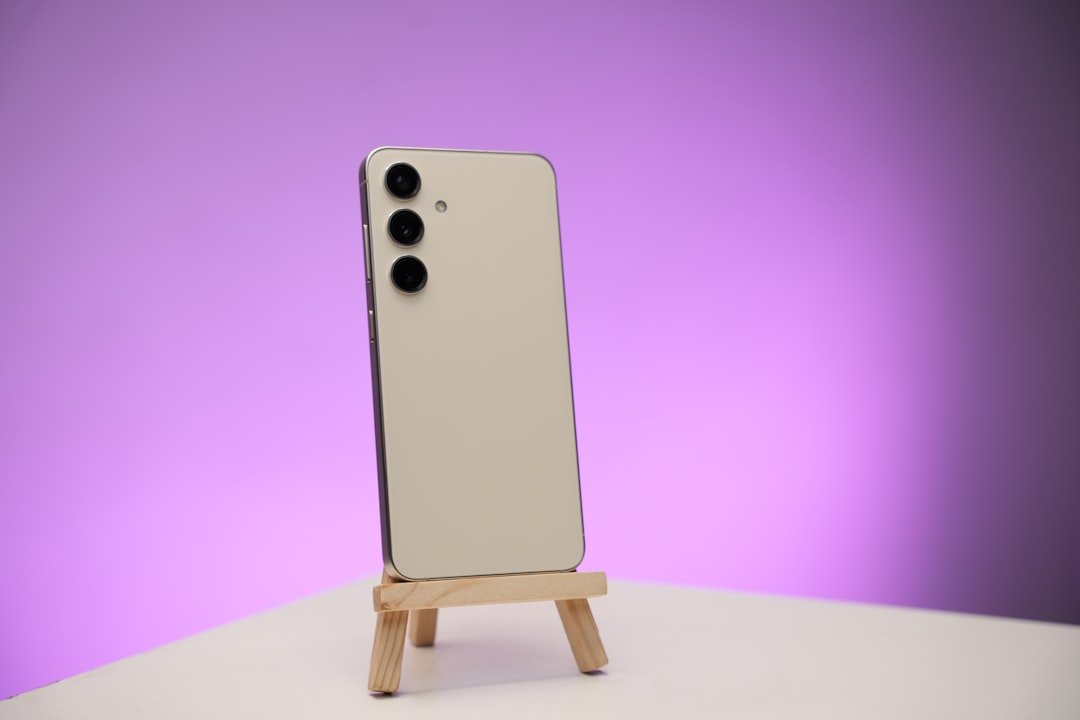
The Galaxy S26 Ultra arrives as Samsung’s iterative flagship, boasting Flex Magic Pixel technology for a “Privacy Display” that dims wide-angle light emission to thwart shoulder surfing—a hardware feat that reviewers praise for public usability without sacrificing core visibility, even under harsh sunlight S26 Ultra three-week review insights. Toggleable via settings, it subtly reduces brightness but outperforms software-only alternatives from competitors. Yet, the AMOLED panel disappoints on basics like high-frequency PWM dimming and Dolby Vision support (sticking to HDR10+), trailing brighter rivals such as Xiaomi’s 17 Ultra or Vivo’s X300 Pro.
Accessories and software hacks amplify its appeal. WIRED recommends cases like Spigen’s Tough Armor for MagFit compatibility and grip, while dismissing Samsung’s $70 Slim Magnet as flimsy and slippery; dbrand’s $60 Tank offers swappable buttons and camera covers for tactical durability Best S26 cases evaluated. Lifehacker highlights One UI 8.5 gems: DeX mode now supports four desktop spaces for productivity, and USB-C webcam functionality rivals Pixel’s Android 14 feature, turning the phone into a high-res feed for Windows/macOS apps S26 owner hacks detailed.
For enterprise users eyeing BYOD, these features promise secure, versatile computing—Privacy Display could mitigate data leaks in shared spaces. However, stagnant camera and battery tech cedes ground to OPPO and Vivo, signaling Samsung’s reliance on software differentiation. Business implications? It bolsters ecosystem stickiness via DeX, potentially increasing accessory revenues by 20-30% as users customize, but risks alienating power users seeking raw hardware leaps.
This phone-centric innovation dovetails with wearables, where health data becomes the next retention hook.
Galaxy Watch Blood Pressure: Regulatory Win Opens Hypertension Frontier
Samsung’s Health Monitor app now delivers systolic/diastolic estimates on Galaxy Watch4+ models (Watch OS 4.0+, Android 12+), leveraging optical heart rate sensors post-cuff calibration—a process required every 28 days for accuracy. Not diagnostic, it complements FDA-cleared features like Sleep Apnea detection and ECG, with passive trend monitoring slated for later 2026 Galaxy Watch BP U.S. rollout.
This U.S. debut follows global rollouts and contrasts WHOOP’s FDA scrutiny for unapproved Blood Pressure Insights, highlighting Samsung’s compliance edge. In a nation where only 1-in-4 hypertensives control readings (CDC), wrist-based proxies could drive preventive care, integrating with Galaxy phones for longitudinal tracking. Technically, it uses pulse wave analysis akin to Omron cuffs, but calibration mitigates drift from motion artifacts.
Industry-wise, it pressures Apple Watch (lacking BP) and Fitbit, potentially capturing 15-20% more health-conscious users. For payers and employers, anonymized aggregates could inform wellness programs, reducing claims—though privacy regs like HIPAA demand robust safeguards. Samsung’s Galaxy Watch8 precursors (with Antioxidant Index) preview fuller biomarker suites, positioning wearables as enterprise wellness gateways. Yet, dependency on cuffs underscores optical sensing’s limits versus cuffless rivals like Aktiia.
Such health expansions feed into home ecosystems, where displays evolve from passive screens to active lifestyle hubs.
S95H OLED: Brightness Breakthrough Redefines Premium TV Standards
Samsung’s S95H flagship OLED crushes predecessors with 1,715 nits (18% field) and 2,604 nits (10% field) in HDR Movie mode, surpassing the S95F’s 1,451/2,138 nits and nearing Mini-LED peaks—unthinkable for self-emissive panels until now S95H lab-tested performance. At 165Hz with HDR10+/HLG (no Dolby Vision), Wi-Fi 6E, and Bluetooth 5.3, it’s gamer-ready (G-Sync/FreeSync), available from 42-83 inches starting at $2,500 (55-inch) 2026 OLED pricing and specs.
Business Insider’s hands-on lauds 2,780 nits (10% pattern), pixel-perfect contrast, and wide angles, calling it “one of the most impressive displays” S95H early impressions. NQ4 AI Gen3 processor enhances 4K upscaling, glare-free matte finish combats reflections.
This leap stems from advanced MLA (Micro Lens Array) and heat management, closing OLED’s brightness gap versus QLED/Mini-LED. For content creators and streaming services, it future-proofs HDR delivery; advertisers gain vivid OOH-like home impact. Samsung’s holdout on Dolby Vision persists, betting on HDR10+ adoption, but risks fragmentation. Revenue-wise, premium pricing (65-inch ~$3,000+) targets high-margin replacements, with 144Hz+ drawing PC gamers from monitors.
Complementing raw power, Samsung artifies TVs, merging aesthetics with tech.
Frame Pro Elevates TVs to Gallery-Worthy Art Pieces
The 2026 Frame Pro introduces a 55-inch option ($TBD) alongside 65/75/85-inch models ($2,000-$4,000), featuring wireless One Connect (30ft range), 144Hz (240Hz PC), Micro HDMI eARC, and upgraded glare-free matte QLED for painting-like art display Frame Pro upgrades overview. Art Store subscribers access 5,000+ works for $5/month; bezels in teak, white, gold enhance wall integration.
Standard Frame gains back-stoppers and shared anti-glare tech. Wireless transmission declutters setups, appealing to design-forward homes. Technically, NQ4 AI sharpens non-4K art/media, positioning it beyond TVs as ambient displays.
In a $150B+ TV market, this niches into “lifestyle” segment, competing Samsung’s own Serif/The Serif. Implications? Boosts ASPs via subscriptions/accessories (e.g., Deco frames), fostering loyalty. For smart home integrators, API hooks could enable dynamic art tied to mood/lighting via Matter. Yet, premium pricing limits mass appeal.
As Samsung innovates forward, older hardware faces obsolescence headwinds.
Legacy Devices Confront Update Cliff in 2026
Samsung’s February 2026 roadmap axes Galaxy S21 support entirely, relegates S22 to quarterly patches, and eliminates biannual tiers—impacting foldables, Notes, and mid-rangers. Post-support, security erodes sans patches, though core functions persist 2026 end-of-support list.
This aligns with 7-year promises for flagships (S21+), but mid-tiers get 4-5 years, pressuring upgrades. Enterprise IT faces risks: unpatched vulns amplify BYOD threats, potentially hiking breach costs 2-3x per Verizon DBIR. Competitors like Google (7 years on Pixels) gain edge.
Samsung’s vast portfolio necessitates triage, but extended support signals sustainability push amid e-waste scrutiny. Businesses may pivot to Modular architectures or custom ROMs, underscoring need for vendor-agnostic policies.
These threads—innovation in displays/health, tempered by lifecycle realities—reveal Samsung’s high-wire act. Ecosystem cohesion via One UI, DeX, and Health Monitor fortifies against fragmentation, yet camera/battery complacency and update cliffs invite challengers. Regulators eyeing wearables and e-waste will shape trajectories, while AI-driven upscaling hints at software-led futures. As 2026 unfolds, will Samsung’s hardware moonshots sustain premium pricing, or force bolder reinvention to match agile foes? The stakes, much like those blinding S95H highlights, couldn’t be brighter.