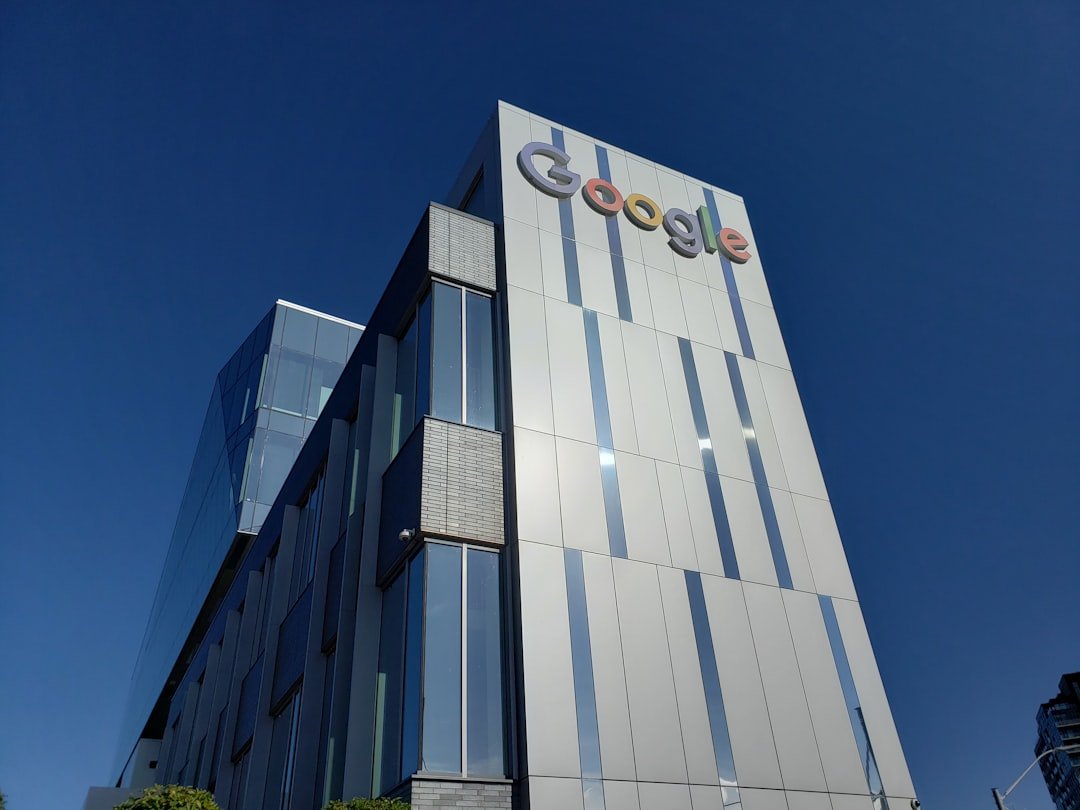
Cloud Migration and AI Advancements: A New Era for Google and Its Partners
The recent expansion of Red Hat OpenShift in the Google Cloud console marks a significant development in the world of cloud computing, as it simplifies the process of migrating applications to the cloud and enables organizations to modernize their infrastructure more efficiently. According to Red Hat’s announcement, this collaboration aims to provide a comprehensive application platform where enterprises can confidently build, deploy, manage, and scale containerized, virtualized, and AI applications on Google Cloud. With the integration of Red Hat OpenShift and Google Cloud, customers can now enjoy streamlined onboarding, unified billing and procurement, and native service integrations, making it easier for them to find the right solution for running their workloads on Google Cloud.
This development comes at a time when the demand for cloud migration services is on the rise, driven by the need for organizations to modernize their infrastructure and improve their operational efficiency. The partnership between Red Hat and Google Cloud is expected to play a significant role in shaping the future of cloud computing, as it provides a robust and scalable platform for enterprises to build and deploy their applications. As NowVertical Group’s experience with a large enterprise client demonstrates, the use of AI-powered migration tools can significantly reduce delivery effort and accelerate project timelines, resulting in cost savings and improved efficiency.
The growth of the cloud migration market is also driven by the increasing adoption of containers as a service (CaaS), which provides a flexible and scalable way for organizations to deploy and manage their applications. As reported by openPR, the containers as a service market is expected to boom in the coming years, with major players such as Amazon Web Services and Google Cloud Platform leading the charge. This trend is expected to continue, driven by the growing demand for cloud-native applications and the need for organizations to modernize their infrastructure.
Enhancing Data Security with DSPM Vendors
The increasing adoption of cloud computing also raises concerns about data security, as organizations need to ensure that their sensitive data is protected from unauthorized access and breaches. This is where data security posture management (DSPM) vendors come in, providing solutions that help organizations discover, classify, and protect sensitive data across various environments. As AIMultiple reports, the top DSPM vendors offer a range of features, including data detection and response, data classification, and security service integrations, to help organizations enhance their data security posture. With the rise of cloud computing, the demand for DSPM solutions is expected to grow, as organizations seek to protect their sensitive data from evolving threats.
The use of DSPM solutions is critical in today’s cloud-first world, where data is scattered across multiple environments and the risk of data breaches is high. By implementing DSPM solutions, organizations can gain visibility into their data security posture, identify vulnerabilities, and take corrective action to prevent breaches. As Google’s experience with its TurboQuant algorithm demonstrates, the use of AI and machine learning can significantly enhance data security, by providing real-time threat detection and response capabilities.
Google’s AI Ambitions and Wall Street Predictions
Google’s recent developments in the field of AI, including the introduction of its TurboQuant algorithm, demonstrate the company’s commitment to enhancing its AI capabilities. As Intellectia AI reports, the TurboQuant algorithm is expected to enhance Google’s AI applications, providing faster and more accurate results. This development is significant, as it highlights Google’s focus on AI research and development, and its efforts to stay ahead of the competition in the AI space.
Wall Street analysts are also optimistic about Google’s future prospects, with many predicting a significant increase in the company’s stock price over the next 12 months. As Finbold reports, the average price target for Google’s stock is $376.57, representing a 35.97% increase from its current price. This optimism is driven by Google’s strong financial performance, its growing cloud computing business, and its increasing focus on AI research and development.
The Future of Cloud Computing and AI
The future of cloud computing and AI is closely tied, as the growth of cloud computing drives the demand for AI solutions, and the development of AI capabilities enhances the value proposition of cloud computing. As Containers As A Service Market report suggests, the containers as a service market is expected to boom in the coming years, driven by the growing demand for cloud-native applications and the need for organizations to modernize their infrastructure. This trend is expected to continue, driven by the increasing adoption of cloud computing and the growing demand for AI solutions.
The partnership between Red Hat and Google Cloud is a significant development in this space, as it provides a robust and scalable platform for enterprises to build and deploy their applications. As Red Hat’s announcement demonstrates, the integration of Red Hat OpenShift and Google Cloud is expected to simplify the process of migrating applications to the cloud, and enable organizations to modernize their infrastructure more efficiently. With the growth of cloud computing and AI, the future looks bright for Google and its partners, as they continue to innovate and push the boundaries of what is possible.
Looking Ahead to a Cloud-First Future
As we look ahead to a cloud-first future, it is clear that the partnership between Red Hat and Google Cloud is just the beginning. The growth of cloud computing and AI is expected to continue, driven by the increasing demand for cloud-native applications and the need for organizations to modernize their infrastructure. As NowVertical Group’s experience demonstrates, the use of AI-powered migration tools can significantly reduce delivery effort and accelerate project timelines, resulting in cost savings and improved efficiency.
The future of cloud computing and AI is closely tied, and the growth of one drives the demand for the other. As we look ahead to a cloud-first future, it is clear that the partnership between Red Hat and Google Cloud is just the beginning. With the increasing adoption of cloud computing and AI, the future looks bright for Google and its partners, as they continue to innovate and push the boundaries of what is possible. The question is, what’s next for cloud computing and AI, and how will these technologies continue to shape the future of business and society? Only time will tell, but one thing is certain – the future is cloud-first, and AI is at the forefront of this revolution.
Leave a Reply