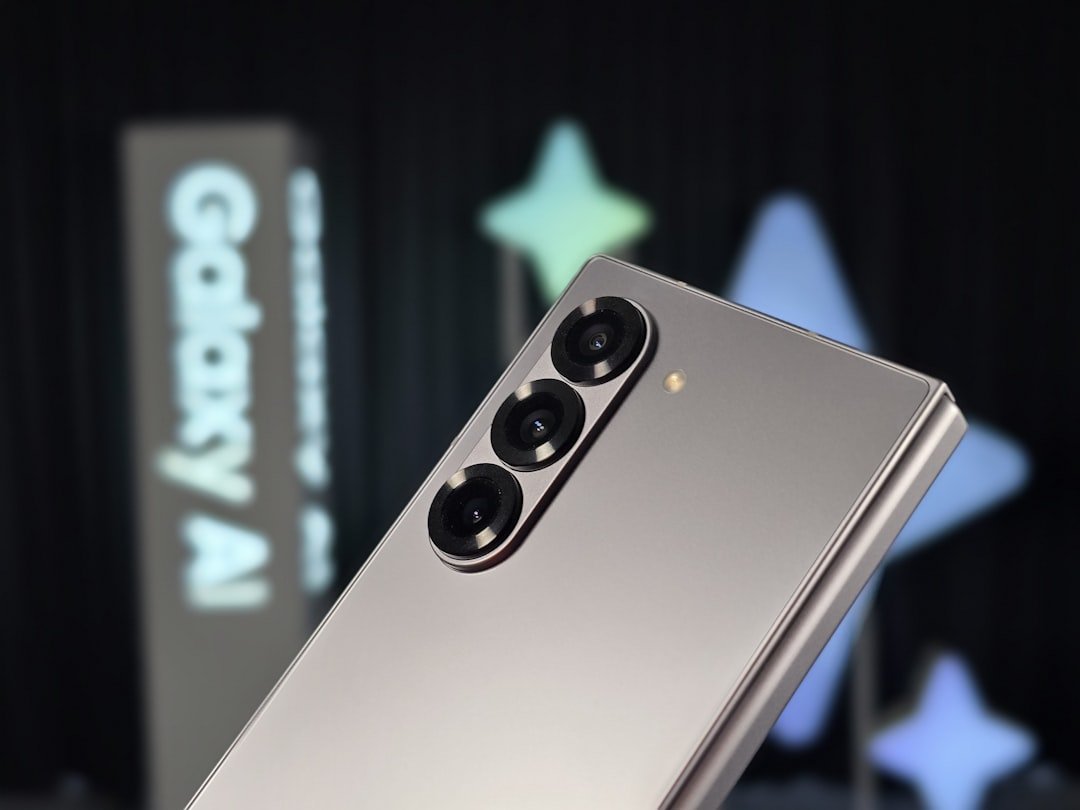
Samsung’s Strategic Moves: A Shift in Focus
The tech world is abuzz with the latest developments from Samsung, a company that has consistently pushed the boundaries of innovation. One of the most significant recent developments is the reported end of sales for the Galaxy Z TriFold, a device that was unveiled just a few months ago Samsung is reportedly ending Galaxy Z TriFold sales after just three months. This move has sparked intense speculation about the company’s strategy and what it might mean for the future of foldable devices. As we delve deeper into the details, it becomes clear that Samsung’s decision is part of a larger narrative about the company’s priorities and its place in the competitive tech landscape.
The Galaxy Z TriFold was always intended to be a proof of concept rather than a mass-market device It May Be Your Last Chance to Buy a Samsung Galaxy Z TriFold. With its unique triple-fold design and hefty price tag of $2,899, it was an experiment in pushing the boundaries of what is possible with foldable technology. Despite its limited production run, the device generated significant buzz and interest among tech enthusiasts. However, with the global memory shortage and rising component costs, the financial viability of such a device becomes a significant concern Samsung ends Galaxy Z TriFold sales three months after launch. This challenge is not unique to Samsung; the entire tech industry is grappling with the implications of supply chain disruptions and increasing costs.
Diversification and Partnerships: The Key to Growth
While the Galaxy Z TriFold may be ending its sales run, Samsung is exploring other avenues for growth and innovation. One of the most promising areas is in the realm of maritime technology, where the company has announced a partnership with San Diego State University (SDSU) to establish a new maritime center SDSU, Samsung Heavy Industries announce new maritime center. This collaboration will focus on advanced manufacturing, AI, and autonomous systems, as well as sustainability in maritime applications. Such partnerships not only underscore Samsung’s commitment to innovation but also highlight the company’s willingness to engage in interdisciplinary research and development. By leveraging the strengths of academic institutions and industry leaders, Samsung aims to drive progress in fields that are critical to the future of technology and sustainability.
The Galaxy S26 Ultra: A Flagship Device with a Difference
In the midst of these developments, Samsung has also been making waves with its latest flagship device, the Galaxy S26 Ultra. This phone has been the subject of extensive review and analysis, with many praising its improved performance, glorious screen, and smooth software experience I reviewed the Samsung Galaxy S26 Ultra, and it’s so much better than all the drama. The device’s Privacy Display has been particularly noteworthy, offering real-world benefits and setting a new standard for smartphone privacy features. However, the camera and the lack of wide appeal for the S Pen have been cited as areas for improvement. Despite these criticisms, the Galaxy S26 Ultra represents a significant step forward for Samsung, demonstrating the company’s ability to refine its products and address consumer needs.
Biotechnology and the Future of Healthcare
Samsung’s interests extend far beyond the realm of consumer electronics, as evidenced by its recent collaboration with Eli Lilly to establish a new Gateway Labs site in Korea Samsung Biologics Announces Collaboration with Lilly to Establish New Gateway Labs Site in Korea. This partnership aims to support early-stage and emerging biotechnology companies, providing them with the research infrastructure and operational support needed to advance their scientific discoveries. The facility, which will be located within Samsung Biologics’ Bio Campus II, is expected to contribute to Korea’s broader biotechnology ecosystem, attracting global innovation activity and fostering talent development. This move underscores Samsung’s commitment to the life sciences sector and its recognition of the critical role that biotechnology will play in shaping the future of healthcare.
The Road Ahead: Challenges and Opportunities
As Samsung navigates the complex landscape of technological innovation, it faces numerous challenges, from rising component costs to intense competition in the consumer electronics market. However, the company’s strategic moves, including its partnerships and investments in emerging technologies, position it well for the future. The end of the Galaxy Z TriFold’s sales run may mark the end of an experiment, but it also represents a new beginning for Samsung’s foldable device ambitions. With its sights set on the horizon, Samsung is poised to continue pushing the boundaries of what is possible, driving innovation, and shaping the future of technology.
The future of Samsung and the broader tech industry will be defined by how companies respond to the challenges of innovation, sustainability, and global competition. As we look ahead, it becomes clear that the ability to adapt, to innovate, and to collaborate will be the keys to success. Samsung’s journey, with all its twists and turns, serves as a compelling reminder of the dynamic nature of the tech world and the endless possibilities that await those who dare to dream big. The question now is, what’s next for Samsung, and how will its future endeavors continue to shape the world of technology?
Leave a Reply