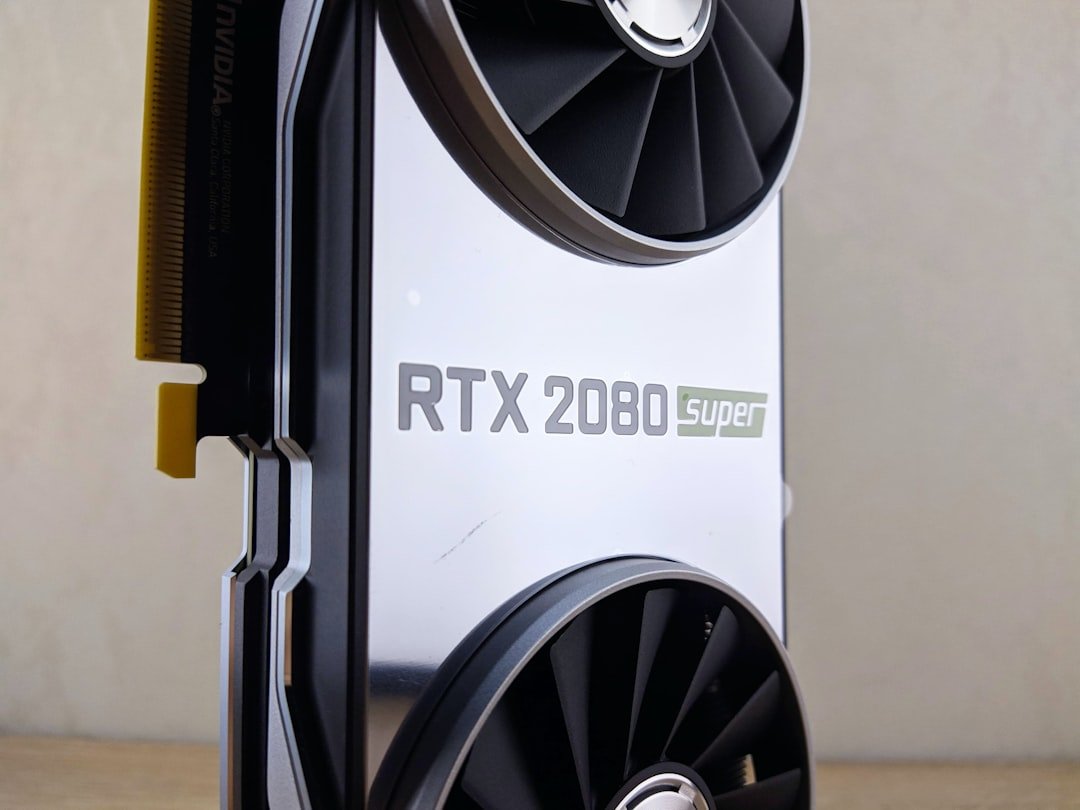
Nvidia’s recent announcement to include stock-based compensation expenses in its non-GAAP financial measures has sent ripples through the tech industry, with many analysts and investors taking notice. This move, revealed by Chief Financial Officer Colette Kress, marks a significant shift in how the company reports its financial performance. As the world’s most valuable company, with a market capitalization of over $4 trillion, Nvidia’s decisions have far-reaching implications for the industry. The inclusion of stock-based compensation expenses in non-GAAP measures is expected to provide a more accurate picture of the company’s financial health, but it may also make other companies look bad by comparison.
The decision to include stock-based compensation expenses is a notable one, as many tech companies have historically excluded these costs from their adjusted financial figures. Critics, including Warren Buffett, have argued that this practice understates a company’s true cost of paying employees and inflates profitability. Nvidia’s move may put pressure on other companies to follow suit, potentially leading to a more transparent and accurate representation of their financial performance. As Jensen Huang, Nvidia’s CEO, prepares to showcase the company’s latest advancements in AI at the upcoming GTC 2026 conference, the company’s financial reporting practices are under scrutiny. The conference, which will feature over 1,000 sessions and keynote addresses from industry leaders, is expected to highlight the latest breakthroughs in AI and accelerated computing.
The Age of AI: Nvidia’s Vision for the Future
Nvidia’s GTC 2026 conference promises to be a premier event for the AI industry, with a focus on the latest advancements in accelerated computing, AI factories, and open models. Jensen Huang’s keynote address is expected to outline the company’s vision for the future of AI, including the development of agentic systems and physical AI. With over 30,000 attendees expected to attend the conference, Nvidia is poised to showcase its leadership in the AI space. As Huang noted, “GTC is the epicenter of the AI industrial era,” and the conference is expected to demonstrate how AI is becoming essential infrastructure for companies and nations alike. The conference will also feature discussions on the state of the art in open frontier models and what comes next, with industry leaders from A16Z, AI2, and other companies.
Regulatory Scrutiny: Congress Takes on Nvidia and the White House
As Nvidia continues to push the boundaries of AI innovation, the company is facing regulatory scrutiny from Congress. Republican lawmakers are pushing for limits on the export of advanced semiconductors to China, citing national security concerns. Nvidia CEO Jensen Huang has argued that the more U.S. chips are used in China, the more U.S. companies will be leaders in the space. However, lawmakers like House Foreign Affairs Committee Chairman Brian Mast are skeptical, arguing that the Chinese Communist Party cannot be trusted. The House Foreign Affairs Committee has advanced legislation that would allow Congress to review and block sales of advanced chips to adversarial countries, with bipartisan backing from Sens. Jim Banks and Elizabeth Warren. Nvidia has responded, stating that the likelihood of China’s military using American chips is low and that the administration’s critics are unintentionally promoting the interests of foreign competitors.
Financial Implications: A New Era of Transparency
Nvidia’s decision to include stock-based compensation expenses in its non-GAAP financial measures is expected to have significant financial implications for the company. With stock-based compensation costs rising from $4.7 billion in fiscal 2025 to $10 billion in fiscal 2026, the company’s profitability may be impacted. However, the move is also expected to provide a more accurate picture of the company’s financial health, which may lead to increased transparency and trust among investors. As the company navigates the complex regulatory landscape, its financial reporting practices will be under close scrutiny. The inclusion of stock-based compensation expenses may also put pressure on other companies to follow suit, potentially leading to a new era of transparency in financial reporting.
The Future of AI: Investment and Innovation
Nvidia’s recent investment in OpenAI, a $30 billion funding round, demonstrates the company’s commitment to AI innovation. CEO Jensen Huang has stated that the investment “might be the last” before OpenAI goes public, highlighting the company’s focus on long-term growth and development. With the AI industry expected to continue growing rapidly, Nvidia’s investments in AI research and development are likely to pay off in the long run. The company’s partnership with OpenAI, as well as its investment in Anthropic, demonstrates its commitment to staying at the forefront of AI innovation. As the industry continues to evolve, Nvidia’s investments and advancements in AI are expected to have significant implications for the future of computing and beyond.
Conclusion is not needed, instead, let’s look ahead to the future
As Nvidia continues to push the boundaries of AI innovation, the company’s decisions will have far-reaching implications for the industry. With regulatory scrutiny, financial transparency, and investment in AI research and development, Nvidia is poised to remain a leader in the AI space. As Jensen Huang prepares to take the stage at GTC 2026, the company’s vision for the future of AI is expected to be a major focus. With the AI industry expected to continue growing rapidly, one question remains: what will be the next major breakthrough in AI, and how will Nvidia be at the forefront of this innovation? The answer will likely be revealed in the coming years, as Nvidia continues to invest in AI research and development, and the industry continues to evolve at a rapid pace.
Leave a Reply