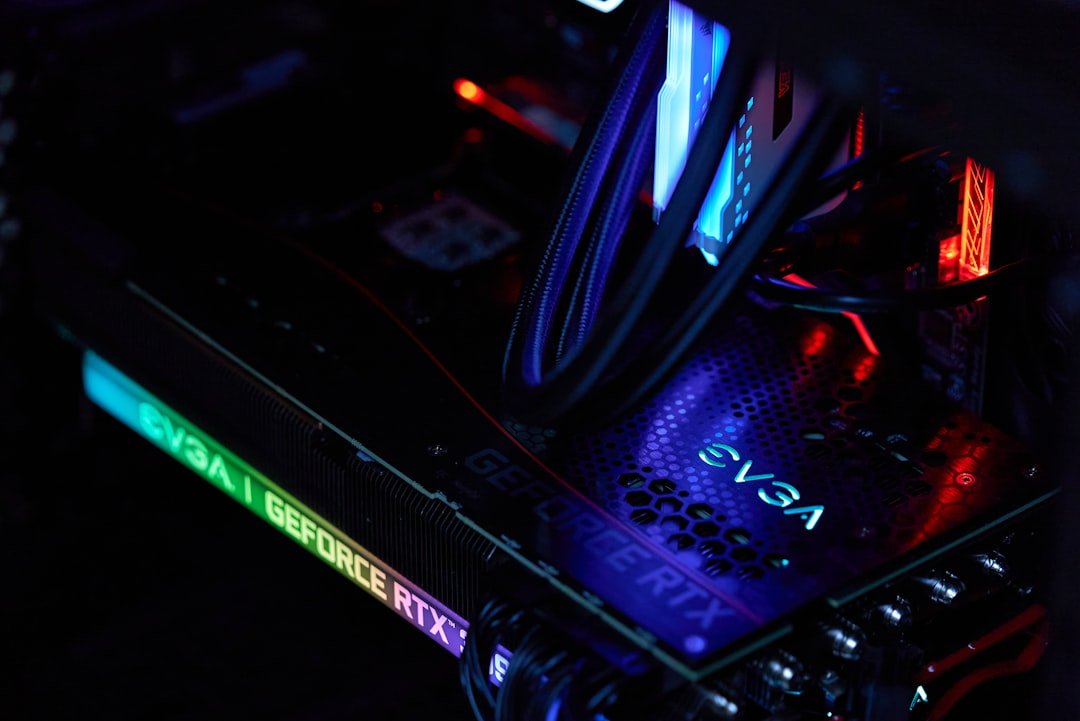
Introduction to Nvidia’s AI-Driven Growth
Nvidia’s recent earnings report has sent shockwaves through the tech industry, with the company’s stock price experiencing a significant decline despite beating expectations. This phenomenon has left many wondering what’s behind the disconnect between Nvidia’s impressive financial performance and its stock price. At the heart of this issue lies the company’s reliance on the booming artificial intelligence (AI) market, which has driven its data center revenue up by an astonishing 75%. As the world’s leading maker of AI chips, Nvidia’s fortunes are closely tied to the growth of this emerging technology.
The significance of Nvidia’s earnings report extends far beyond the company itself, as it provides a glimpse into the rapidly evolving AI landscape. With tech giants like Alphabet, Amazon, and Microsoft investing heavily in AI infrastructure, the demand for Nvidia’s chips has skyrocketed. However, this increased demand has also led to concerns about the sustainability of AI-driven growth, with some investors worrying that the market may be overheating. As Jensen Huang, Nvidia’s CEO, noted, “compute demand is skyrocketing,” but the company’s stock price suggests that investors are taking a more cautious approach.
The AI boom has far-reaching implications for various industries, from healthcare and pharmaceuticals to finance and transportation. As companies like Lilly launch their own AI factories, the potential applications of this technology are becoming increasingly clear. Nvidia’s role in enabling these advancements has cemented its position as a leader in the AI market, but it also raises questions about the company’s long-term prospects. With the rise of alternative AI chips from companies like Amazon and Cerebras, Nvidia faces increasing competition in the market it once dominated.
The AI-Driven Revenue Growth
Nvidia’s data center revenue has been the primary driver of the company’s growth, with sales increasing by 75% in the most recent quarter. This surge in demand has been fueled by the adoption of AI technologies across various industries, with hyperscalers like Amazon and Google leading the charge. As Colette Kress, Nvidia’s CFO, noted, “hyperscaler revenue increased and remained our largest customer category at slightly over 50% of Data Center revenue.” The company’s compute revenue grew by 58% year-over-year, while networking revenue soared by 263% to $11 billion.
The growth of Nvidia’s data center business has been nothing short of phenomenal, with the company’s AI chips powering some of the world’s most advanced AI systems. The recent launch of Lilly’s AI factory, powered by Nvidia’s DGX SuperPOD, is a testament to the company’s capabilities in this area. With over 9,000 petaflops of AI performance, this system is one of the most powerful in the world, and it demonstrates the potential of Nvidia’s technology to drive innovation in fields like pharmaceutical research.
However, the company’s reliance on the AI market also raises concerns about its long-term prospects. As investors begin to question the sustainability of AI-driven growth, Nvidia’s stock price has suffered. The company’s guidance for the upcoming quarter, while better than expected, has done little to alleviate these concerns. With the rise of alternative AI chips and increasing competition in the market, Nvidia faces significant challenges in maintaining its position as a leader in the AI market.
Competitive Landscape and Market Trends
The AI market is becoming increasingly competitive, with companies like Amazon and Cerebras launching their own AI chips. OpenAI’s recent announcement that it will be using Amazon’s Trainium AI chip capacity has raised eyebrows, as it suggests that the company may be diversifying its chip supply chain. This development has significant implications for Nvidia, which has long been the dominant player in the AI chip market.
The rise of alternative AI chips is not the only challenge facing Nvidia, as the company must also contend with increasing competition from other players in the market. Companies like Google and Microsoft are investing heavily in their own AI initiatives, which could potentially reduce their reliance on Nvidia’s chips. As the AI market continues to evolve, Nvidia must adapt to these changing dynamics in order to maintain its position as a leader.
Despite these challenges, Nvidia remains well-positioned to capitalize on the growth of the AI market. The company’s recent earnings report demonstrated its ability to drive innovation and growth in this area, and its partnerships with companies like Lilly and OpenAI highlight its commitment to advancing the field of AI. As Jensen Huang noted, “compute demand is skyrocketing,” and Nvidia is poised to benefit from this trend.
Future Implications and Opportunities
The growth of the AI market has far-reaching implications for various industries, from healthcare and pharmaceuticals to finance and transportation. As companies like Lilly launch their own AI factories, the potential applications of this technology are becoming increasingly clear. Nvidia’s role in enabling these advancements has cemented its position as a leader in the AI market, and the company is well-positioned to capitalize on the growth of this emerging technology.
However, the company must also contend with the challenges posed by increasing competition and the rise of alternative AI chips. As the AI market continues to evolve, Nvidia must adapt to these changing dynamics in order to maintain its position as a leader. The company’s recent earnings report demonstrated its ability to drive innovation and growth in this area, and its partnerships with companies like Lilly and OpenAI highlight its commitment to advancing the field of AI.
As the AI market continues to grow and evolve, Nvidia is poised to play a significant role in shaping its future. The company’s ability to drive innovation and growth in this area has made it a leader in the market, and its commitment to advancing the field of AI has earned it a reputation as a pioneer in this emerging technology. As Jensen Huang noted, “compute demand is skyrocketing,” and Nvidia is well-positioned to capitalize on this trend.
Broader Industry Implications
The growth of the AI market has significant implications for the tech industry as a whole, with companies like Google, Microsoft, and Amazon investing heavily in their own AI initiatives. The rise of alternative AI chips and increasing competition in the market will likely drive innovation and growth in this area, as companies seek to develop more advanced and efficient AI systems.
The potential applications of AI technology are vast, with companies like Lilly using it to drive innovation in fields like pharmaceutical research. As the AI market continues to evolve, we can expect to see significant advancements in areas like healthcare, finance, and transportation. Nvidia’s role in enabling these advancements has cemented its position as a leader in the AI market, and the company is well-positioned to capitalize on the growth of this emerging technology.
As the AI market continues to grow and evolve, it will be interesting to see how companies like Nvidia adapt to the changing dynamics of this emerging technology. With the rise of alternative AI chips and increasing competition in the market, the company must contend with significant challenges in order to maintain its position as a leader. However, with its commitment to advancing the field of AI and its ability to drive innovation and growth in this area, Nvidia is poised to play a significant role in shaping the future of this emerging technology.
The future of the AI market is uncertain, but one thing is clear: it will be driven by innovation and growth. As companies like Nvidia, Google, and Microsoft continue to invest in their own AI initiatives, we can expect to see significant advancements in this area. The potential applications of AI technology are vast, and its impact on various industries will be profound. As we look to the future, it will be interesting to see how the AI market continues to evolve and what role companies like Nvidia will play in shaping its future.
Leave a Reply