NVIDIA and Meta’s Strategic Partnership: A New Era in AI Infrastructure
The recent announcement of NVIDIA and Meta’s multi-year, multigenerational strategic partnership has sent shockwaves throughout the tech industry. This collaboration marks a significant milestone in the development of AI infrastructure, with Meta planning to deploy millions of NVIDIA’s Blackwell and Rubin graphics processing units (GPUs) in its data centers. As Jensen Huang, founder and CEO of NVIDIA, noted, “No one deploys AI at Meta’s scale — integrating frontier research with industrial-scale infrastructure to power the world’s largest personalization and recommendation systems for billions of users.” This partnership is poised to revolutionize the field of artificial intelligence, enabling Meta to build hyperscale data centers optimized for both training and inference.
The implications of this partnership are far-reaching, with potential applications in various industries, including healthcare, finance, and education. As Mark Zuckerberg, founder and CEO of Meta, stated, “We’re excited to expand our partnership with NVIDIA to build leading-edge clusters using their Vera Rubin platform to deliver personal superintelligence to everyone in the world.” This vision of “personal superintelligence” underscores the transformative potential of AI, where individuals can leverage AI-powered tools to enhance their daily lives. With NVIDIA’s cutting-edge technology and Meta’s vast user base, this partnership has the potential to drive significant advancements in AI research and development.
The Technical Details: NVIDIA’s GPUs and CPUs
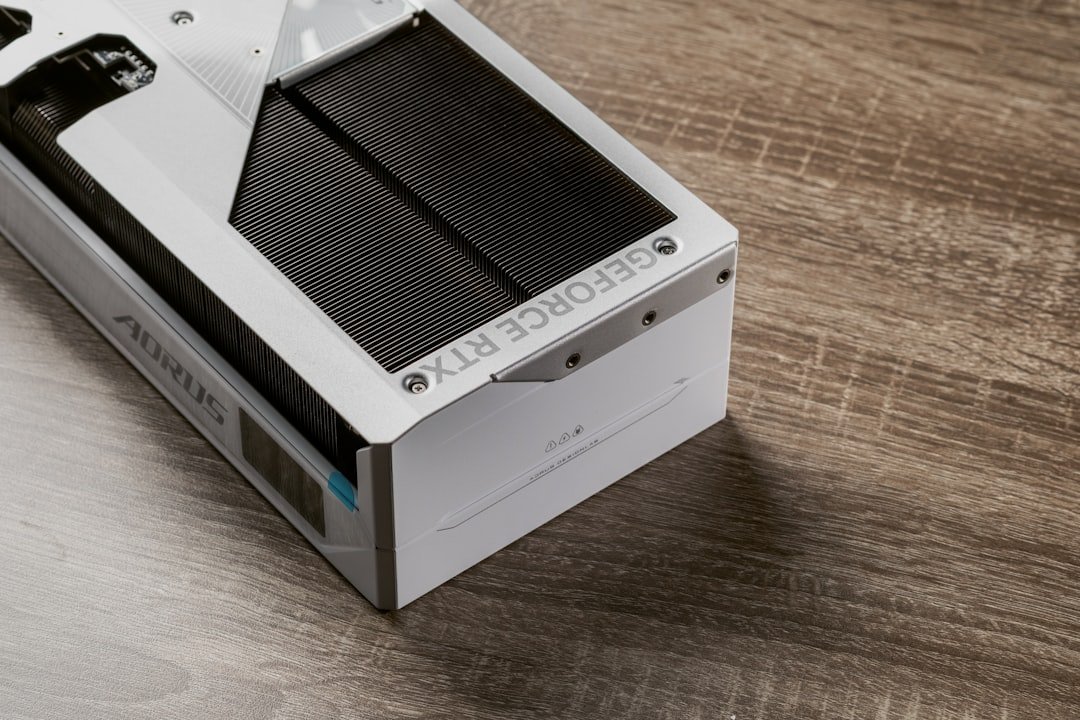
At the heart of this partnership is NVIDIA’s suite of AI-focused products, including its Blackwell and Rubin GPUs, as well as its Grace and Vera CPUs. These chips are designed to provide unparalleled performance and efficiency in AI workloads, enabling Meta to train and deploy large-scale AI models. As Ben Bajarin, chip analyst at Creative Strategies, noted, “They’re really designed to run those inference workloads, run those agentic workloads, as a companion to a Grace Blackwell/Vera Rubin rack.” The deployment of these chips will be a crucial factor in determining the success of Meta’s AI ambitions, as they will provide the necessary compute power to drive innovation in areas like natural language processing and computer vision.
Industry Implications: A New Competitive Landscape
The NVIDIA-Meta partnership has significant implications for the broader tech industry, particularly in the areas of AI and cloud computing. As reported by CNBC, this deal is expected to be worth tens of billions of dollars, making it one of the largest AI-related partnerships in history. This investment will likely put pressure on other tech giants, such as Google and Amazon, to accelerate their own AI initiatives. Furthermore, the partnership may also have implications for the CPU market, as NVIDIA’s Grace and Vera CPUs are designed to provide a more efficient and scalable alternative to traditional CPUs. As noted by Yahoo Finance, this could potentially disrupt the dominance of Intel and AMD in the CPU market.
Global AI Initiatives: India’s AI Mission
The NVIDIA-Meta partnership is not the only significant development in the AI landscape. In India, the government has launched the IndiaAI Mission, a initiative aimed at driving AI adoption and innovation across the country. As reported by NVIDIA, this mission includes investments in AI infrastructure, including the deployment of NVIDIA GPUs and CPUs. This initiative has the potential to drive significant economic growth and innovation in India, as AI is poised to play a critical role in various industries, including healthcare, finance, and education. With NVIDIA’s support, India is well-positioned to become a global leader in AI research and development.
The Future of AI: Challenges and Opportunities
As the AI landscape continues to evolve, there are many challenges and opportunities that lie ahead. One of the most significant challenges is the need for more efficient and scalable AI infrastructure, as current systems are often limited by their power consumption and computational capacity. As noted by NVIDIA Developer, the development of more efficient AI models and algorithms will be critical in driving innovation in this space. Furthermore, the increasing demand for AI talent and expertise will require significant investments in education and training programs. Despite these challenges, the potential rewards of AI are vast, with applications in areas like healthcare, finance, and education poised to drive significant economic growth and innovation.
Looking Ahead: The Next Frontier in AI
As we look to the future, it is clear that AI will play an increasingly critical role in shaping the world around us. The NVIDIA-Meta partnership is just one example of the many significant developments that are driving innovation in this space. With the potential for AI to drive significant economic growth and innovation, it is essential that we continue to invest in AI research and development, as well as education and training programs. As noted by Mark Zuckerberg, the goal of “personal superintelligence” is an ambitious one, but it is a vision that has the potential to drive significant advancements in AI research and development. As we embark on this next frontier in AI, it will be exciting to see the many innovations and breakthroughs that emerge.
Leave a Reply