Samsung’s AI chip dominance is reshaping its fortunes, with preliminary earnings guidance revealing an eightfold profit surge to a quarterly record of 57.2 trillion won ($37.8 billion) for January-March 2026, propelled by explosive demand for high-bandwidth memory (HBM) semiconductors Samsung shares rise after profit seen jumping 8-fold on AI chip boom. This isn’t just a financial windfall; it’s a testament to Samsung’s resurgence in the memory market, where HBM shortages have spiked prices and volumes amid the global AI infrastructure race. Shares climbed as much as 4.8% before settling at 0.52% higher, underscoring investor confidence in Samsung’s pivot from early stumbles against rival SK Hynix.
Yet this enterprise-grade triumph coincides with consumer-facing maneuvers: deep discounts on premium wearables, a bold software sunset, and whispers of an expanded flagship lineup. These moves reveal Samsung’s dual strategy—capitalizing on B2B AI tailwinds while tightening consumer ecosystem integration with Google and fending off Apple in premium hardware. As hyperscalers like Nvidia and cloud giants hoard HBM for training massive language models, Samsung’s consumer bets aim to sustain brand loyalty and data-driven services, potentially funneling user insights into enterprise AI applications.
AI Memory Boom Powers Samsung’s Semiconductor Revival
Samsung’s Device Solutions division, encompassing memory chips, drove 39% of 2025 revenues and 57% of operating profits, but the Q1 2026 forecast catapults it further Samsung shares rise after profit seen jumping 8-fold on AI chip boom. Projected operating profit of 57.2 trillion won eclipses the prior record by nearly threefold, smashing analyst estimates of 42.3 trillion won, with revenue leaping 70% to 133 trillion won. HBM, critical for AI accelerators due to its ability to handle massive data throughput at low latency, has been the linchpin. Shortages have rippled through the supply chain, benefiting Samsung after it clawed back market share from SK Hynix.
This surge has profound industry implications. In an era where AI training clusters demand petabytes of high-speed memory—think Nvidia’s H100 GPUs paired with HBM3E—Samsung’s scale positions it as a key enabler for cloud providers like AWS and Azure. Business-wise, it diversifies Samsung beyond smartphones, now 60% consumer-reliant, toward high-margin enterprise semis. However, risks loom: overcapacity if AI hype cools, or geopolitical tensions disrupting foundry alliances. Full earnings later this month will clarify if Samsung’s HBM6 roadmap sustains this momentum, potentially pressuring competitors like Micron to accelerate.
Transitioning from silicon wins to wearables, Samsung is leveraging AI-fueled cash flows for aggressive consumer incentives, keeping its ecosystem vibrant amid hardware saturation.
Galaxy Watch 8 Classic Discount Targets Premium Wearables Market
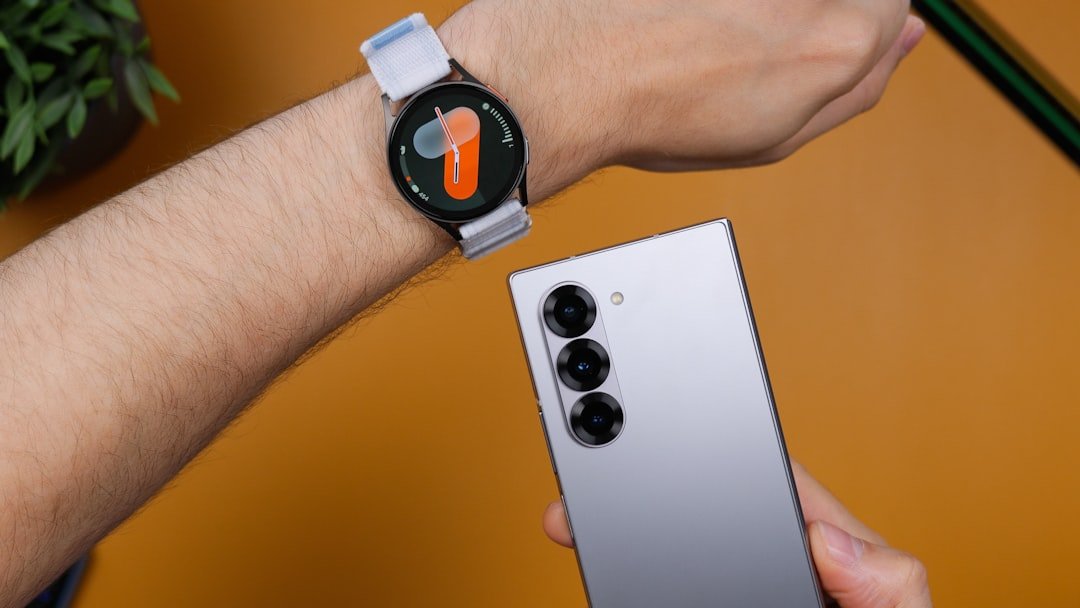
The Galaxy Watch 8 Classic, positioned as a stylish midpoint between the base Watch 8 and the iterative Ultra, is now $130 off in the US—no trade-in needed—dropping the Wi-Fi model to $369 from $499 and LTE to $419 from $549 The coolest Samsung Galaxy Watch is still $130 off in the US – SamMobile. Bundles sweeten the deal: 10% off Galaxy Buds 4/Pro, a six-month iFit trial ($59.94 value), and flexible payments over 24 months or four installments. Trade-ins offer up to $250 but can’t stack with the discount.
Analytically, this pricing signals Samsung’s push to penetrate the $50 billion wearables market, where Apple Watch holds 50% share. The Classic’s rotating bezel and advanced health sensors—like ECG and blood pressure monitoring—appeal to fitness pros and execs tracking biometrics for wellness programs. Enterprise angles emerge: Wear OS integration enables secure corporate apps, VPNs, and zero-trust access, tying into cybersecurity trends. By discounting amid AI profits, Samsung boosts attach rates for its One UI Watch platform, harvesting anonymized health data to refine AI models—echoing how Fitbit fuels Google’s ecosystem.
Implications extend to competition: It undercuts Pixel Watch premiums while pressuring Garmin in analytics. If sustained, this could lift Samsung’s 20% wearables share, funding R&D for AI-enhanced features like predictive health alerts.
Sunset of Samsung Messages Ushers in Google Ecosystem Era
Samsung Messages faces discontinuation on July 6, 2026, in the US, urging users to adopt Google Messages for RCS chats, end-to-end encryption, and Gemini AI perks like “Remix” image generation and smart replies Why is Samsung discontinuing its message app? What Android users should know – NBC 5 Chicago. Newer Galaxy 26+ phones can’t even download it now, while Android 11-or-older devices remain unaffected. Galaxy Watch 3 and earlier Tizen models lose full conversation history post-sunset but retain basic texting Say Goodbye to Samsung’s Messages App – pcmag.com.
This pivot isn’t casual; it’s a strategic alignment with Google’s Android dominance, prioritizing RCS over proprietary SMS for cross-platform media sharing with iOS. For enterprises, RCS via Google Messages bolsters cybersecurity: E2EE thwarts man-in-the-middle attacks, while AI summaries streamline compliance-heavy comms. Samsung’s rationale—consistent experience and updates—masks deeper integration, funneling messaging data into Google’s Gemini for enhanced NLP services.
Business fallout? It cedes control but gains RCS interoperability, pressuring Apple to fully adopt the standard. Users on S21+ already default to Google Messages, minimizing disruption. Globally unclear, this could standardize Android messaging, boosting adoption in markets like Europe with strict data regs.
Linking software shifts to hardware rumors, Samsung eyes premium differentiation to retain loyalty.
Galaxy S27 Pro Rumor Signals Four-Tier Flagship Expansion
Leaks suggest the 2027 Galaxy S27 lineup introduces a “Pro” model slotted between Plus and Ultra, forgoing S Pen but featuring Privacy Display tech—limiting viewing angles for on-device security Samsung’s Galaxy S27 ‘Pro’ could squeeze in between the Ultra and Plus phones – theverge.com. Exclusive to S26 Ultra now, this anti-spyware feature targets execs in high-stakes environments, with Samsung planning dual implementation.
This expands to four flagships, aping Apple’s iPhone Pro/Max split, potentially with Ultra-grade cameras in a slimmer form. Specs are hazy, but it counters Pixel 11’s AI camera edge and iPhone 18’s rumored under-display tech. Enterprise implications shine: Privacy Display aligns with zero-trust architectures, shielding sensitive data from shoulder surfing in boardrooms or co-working spaces—vital as BYOD policies proliferate.
Competitively, it fragments Samsung’s lineup, risking cannibalization but capturing mid-premium buyers (e.g., $1,000-1,300 tier). Amid AI profits, R&D for such features underscores hardware-software synergy, like on-device Gemini processing.
Ecosystem Synergies and Competitive Pressures Mount
These threads—AI semis windfall, wearable discounts, Messages handover, S27 expansion—weave Samsung’s playbook for an AI-pervasive future. Profits fund consumer hooks, Google ties unify services (Wear OS, RCS), and premium rumors fortify against Apple’s 55% premium phone share. Yet challenges persist: SK Hynix’s HBM lead, regulatory scrutiny on data flows to Google, and wearables’ 30% churn rate.
In cybersecurity, Privacy Display and E2EE messaging elevate Samsung for enterprise fleets, potentially integrating with cloud IAM like Okta. Business models shift toward services: iFit trials preview subscription revenue, mirroring Apple’s ecosystem lock-in.
Looking ahead, Samsung’s trajectory hinges on HBM supremacy sustaining capex for exascale AI infrastructure. Will four S27 variants dilute focus, or sharpen edges against foldables and AR glasses? As AI chips power the next computing paradigm, Samsung’s consumer gambits ensure it captures the human interface layer, positioning for a unified enterprise-to-edge empire. What emerges from full Q1 earnings could redefine the tech titan’s next decade.
Leave a Reply