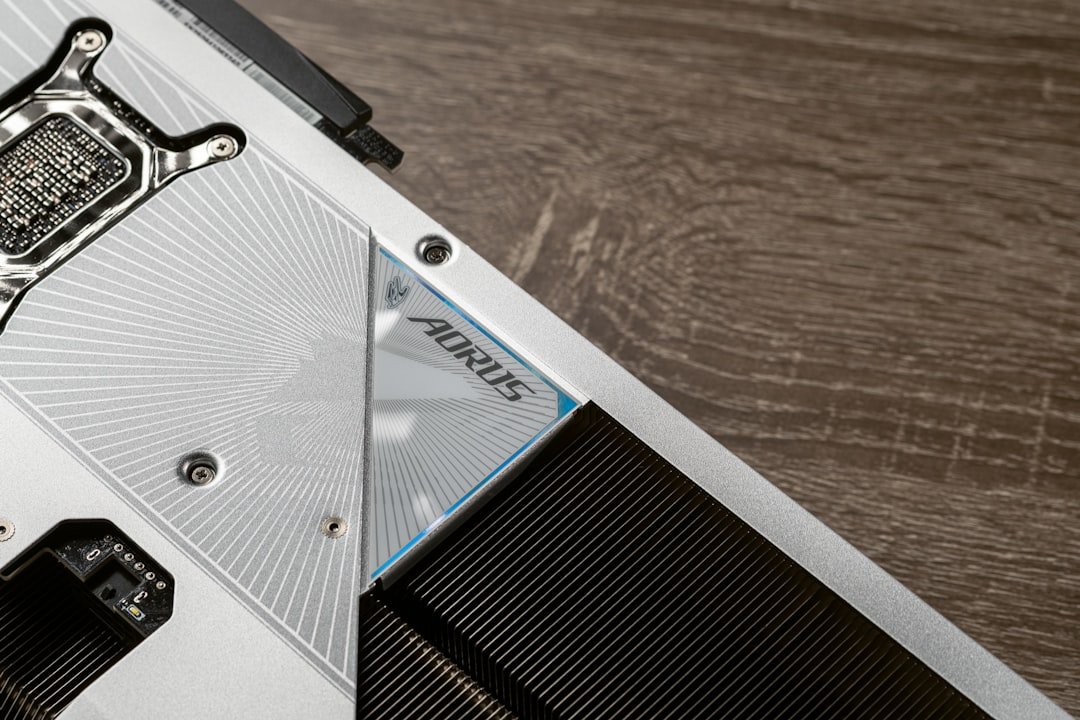
Nvidia’s $40 Billion Question: A Bet on Share Buybacks
Nvidia, the world’s most valuable company with a market capitalization of around $4.1 trillion, has been under scrutiny for its capital allocation decisions. The company spent $40 billion on share buybacks in fiscal 2026, raising questions about whether this investment could have been better utilized to drive growth through research and development (R&D) or strategic acquisitions. This move has sparked a debate among investors and analysts, with some arguing that the company’s focus on share buybacks may not be the most effective way to create long-term value. As Nvidia’s CFO Colette M. Kress stated, “We look at our capital return, very, very carefully… And we do believe that one of the most important things that we can do is really supporting the extreme ecosystem that’s in front of us.”
The decision to allocate $40 billion towards share buybacks is significant, especially when compared to the company’s $6.1 billion expenditure on capital expenditures (capex) last fiscal year. This raises questions about Nvidia’s priorities and whether the company is adequately investing in its future growth. However, as explained by Nvidia, the company believes that its capital is being utilized effectively to support the ecosystem and drive long-term growth. With a robust innovation pipeline, including powerful graphics processing units, the CUDA platform, and a push into physical AI, Nvidia is well-positioned to capitalize on the ongoing AI boom.
Building Trust in AI: The Rise of Zero-Trust Architecture
As AI continues to transform industries, the need for secure and trustworthy AI systems has become increasingly important. Nvidia has been at the forefront of this effort, recognizing the importance of building a zero-trust architecture for confidential AI factories. This approach eliminates implicit trust in the underlying host infrastructure, using hardware-enforced Trusted Execution Environments (TEEs) and cryptographic attestation. As discussed in the Nvidia Technical Blog, this full-stack architecture is necessary to integrate the zero-trust foundation into AI factories, ensuring that sensitive data and proprietary models are protected.
The deployment of proprietary models on shared infrastructure creates a trust dilemma among key stakeholders in an AI factory, including model owners, infrastructure providers, and tenants. Nvidia’s approach to confidential computing addresses this dilemma, providing assurance that sensitive data and model weights are protected from unauthorized access. By building a zero-trust architecture, Nvidia is enabling the widespread adoption of AI, while ensuring that the integrity and confidentiality of AI models are maintained.
Nvidia’s Path to $20 Trillion: A Bold Prediction
Despite the current market volatility, some analysts remain bullish on Nvidia’s prospects, predicting that the company could reach a $20 trillion market cap in the future. As IO Fund notes, Nvidia’s visibility to $1 trillion in revenue through 2027 is a significant milestone, and the company’s innovative products and strategic investments position it for long-term success. With a strong track record of delivering returns, Nvidia has demonstrated its ability to execute on its vision and drive growth.
However, this prediction is not without its challenges. Nvidia faces intense competition in the AI hardware market, with companies like Broadcom and Advanced Micro Devices (AMD) developing custom hardware for AI workloads. Additionally, the rise of cloud-based AI services and the increasing importance of software in AI deployments may reduce Nvidia’s dominance in the market. As Jensen Huang stated, Nvidia has a path to $1 trillion in cumulative sales across the Blackwell and Rubin generations from 2025 through 2027, but achieving this goal will require continued innovation and strategic execution.
The Shifting AI Landscape: Nvidia vs. Alphabet
The AI landscape is rapidly evolving, with new players emerging and existing ones adapting to the changing landscape. Nvidia, once the undisputed leader in AI hardware, now faces challenges from companies like Alphabet, which is developing its own custom hardware for AI workloads. As The Motley Fool notes, Alphabet’s partnership with Broadcom to develop the tensor processing unit (TPU) represents a direct challenge to Nvidia’s GPU dominance in AI deployments.
The rise of custom hardware for AI is a significant trend, with companies like Anthropic adopting TPUs for their AI workloads. This shift towards custom hardware may reduce Nvidia’s market share, as companies opt for more specialized and efficient solutions for their AI needs. As explained by The Motley Fool, Alphabet’s wider moat and diversified portfolio make it a more attractive investment opportunity than Nvidia, at least in the current market.
Navigating the AI Investment Landscape
For investors, navigating the AI investment landscape requires a deep understanding of the trends and developments shaping the industry. As The Motley Fool advises, investors should maintain a long-term perspective and focus on companies with strong track records of innovation and execution. With the AI market expected to continue growing, investors who can identify the winners and losers in this space will be well-positioned to reap the rewards.
However, the current market volatility and intense competition in the AI space make it challenging to predict which companies will emerge victorious. As IO Fund notes, being early and nimble is crucial in the AI investment space, as companies that can adapt quickly to changing trends and technologies will be better positioned to succeed. By staying informed and up-to-date on the latest developments, investors can make more informed decisions and navigate the complex AI investment landscape.
The future of AI holds much promise, but also significant challenges. As companies like Nvidia, Alphabet, and Microsoft continue to innovate and push the boundaries of what is possible with AI, investors will need to stay vigilant and adapt to the changing landscape. With the potential for AI to transform industries and create new opportunities, the stakes are high, and the rewards will be significant for those who can navigate this complex and rapidly evolving space. As we look ahead, one thing is certain: the AI revolution will continue to shape the world, and investors who can stay ahead of the curve will be well-positioned to reap the rewards.
Leave a Reply